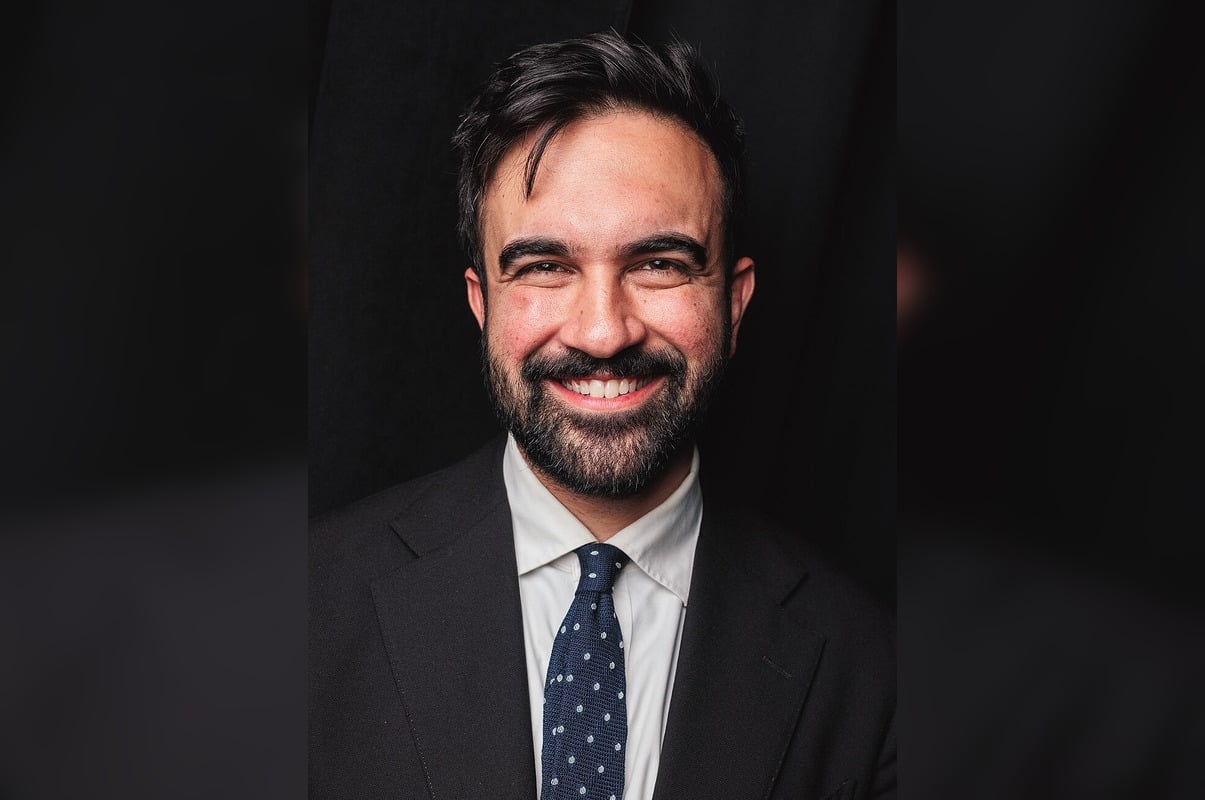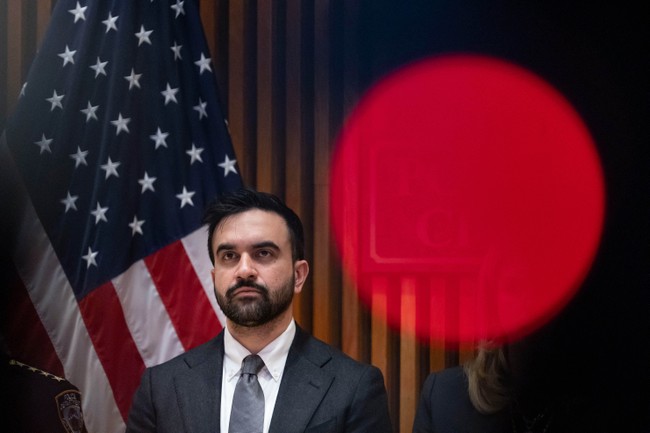
New York City Mayor Zohran Mamdani has announced a new initiative aimed at providing free childcare services, which will be available to all children in the city, regardless of their immigration status. This program, which includes established offerings such as the 3-K and pre-K programs, is designed to benefit the diverse population of New York City. Mamdani’s announcement comes as part of a broader commitment to inclusivity in public services.
The initiative will take effect in January 2026 and is expected to extend to a pilot program for children under the age of two, following the same policy of not checking immigration status. Mamdani emphasized that every child, irrespective of their background, deserves access to quality childcare services, stating, “We will not discriminate based on where a child was born or their family’s circumstances.”
Critics of the program have raised concerns regarding the implications for taxpayers and the allocation of resources. Some argue that the initiative may prioritize individuals who do not have legal status in the United States, questioning whether taxpayer funds should support those who may not contribute to the system. Discussions on social media have highlighted fears that the program could lead to financial burdens on residents.
In response to these criticisms, supporters of Mamdani’s plan point out that the provision of childcare can support working families, regardless of their immigration status. They argue that access to affordable childcare services is essential for parents to maintain employment and stability in their lives.
While some observers express skepticism about the funding and potential misuse of resources, Mamdani’s administration has assured the public that measures will be in place to ensure accountability and proper management of the program. The mayor’s office has indicated that the funding strategy will draw on existing city resources, similar to other successful initiatives implemented in different states.
The initiative has sparked a broader conversation about immigration policy and public services in the United States. As cities across the country grapple with similar challenges, the response to Mamdani’s plan may serve as a touchstone for future discussions on the intersection of social services and immigration.
Regardless of the differing opinions on the plan, the announcement reflects a significant step in shaping New York City’s approach to childcare and inclusivity. Whether this initiative will fulfill its promise or face challenges in execution remains to be seen, as the community prepares for its launch in early 2026.