A wave of nostalgia has swept through older Millennials as they recall social behaviors from the 1990s that would be deemed unacceptable today. Through discussions on platforms like Reddit, individuals are sharing their experiences of an era characterized by limited communication technology and different social expectations.
Revisiting the Past
For many, the 1990s represent a simpler time when communication was far less instant. Users on Reddit reminisce about waiting for phone calls and the excitement of a ringing phone, contrasting sharply with today’s environment of constant connectivity. One user noted, “Being excited when the phone rang. It was like, ‘Whoa, hey phone’s ringing, wonder who it could be and who it’s for!!’ Now, when my phone rings, I know it’s for me, who’s calling, and I feel instant resentment at the intrusion.”
Another nostalgic memory involved making plans days in advance without the need for constant confirmation. “Making plans with someone multiple days in advance, not talking to them about it again, and just showing up without having to confirm that day that your plans are still on,” shared one participant, highlighting how social interactions have shifted.
Changes in Parenting and Social Etiquette
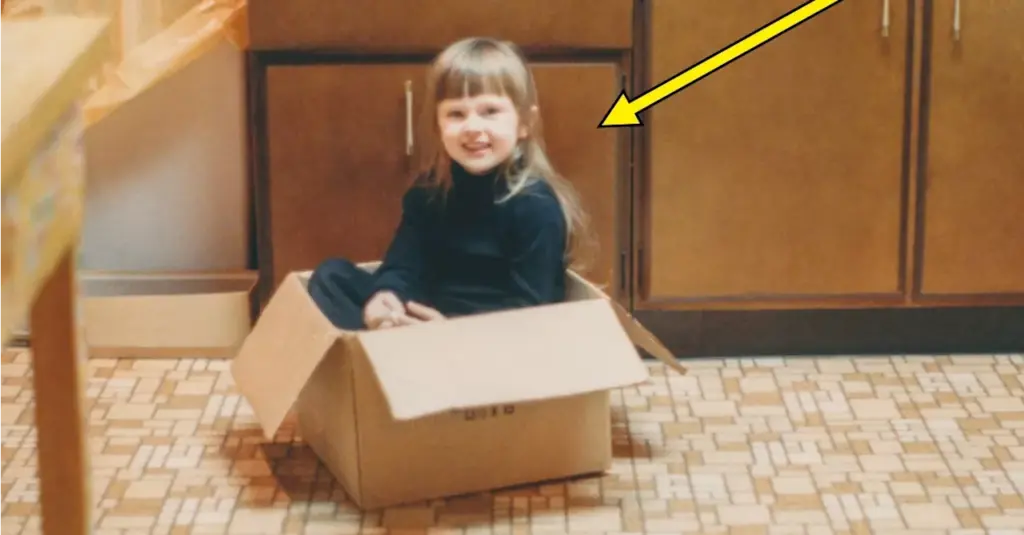
The conversation also touched on parenting norms, with some recalling being left in cars while parents completed errands. One user reflected on this experience, stating, “My brothers and I were left in the car several times a week while my mom went into the store without us.” This practice, once accepted, raises questions about current parenting standards and concerns for child safety.
In addition, the article highlights how children communicated with friends in a less technologically driven manner. Notes were often left for family members or friends, conveying information or plans without the immediacy of text messages. “If you’re waiting for someone to visit but have to quickly go buy milk, you would leave a note on your door,” one user described, underlining the simplicity of past communication methods.
The 1990s also fostered a sense of authenticity, which many Millennials now regard with a sense of irony. The idea of being criticized for “selling out” seems quaint today. As one participant noted, “Authenticity. The idea of criticizing people for selling out now just seems so quaint.”
The nostalgia for these social norms reflects a broader commentary on how technology and societal expectations have evolved. The immediacy and accessibility of modern communication have transformed both day-to-day interactions and deeper social connections.
As Millennials continue to share their reflections, the conversation prompts further exploration of how past behaviors inform contemporary social dynamics. Would these practices be accepted today, or do they belong to a bygone era? The answers may lie in the heart of generational change and technological advancement.
This exploration of nostalgia not only sheds light on the past but also encourages discussions about the future of social interaction in an increasingly digital world.