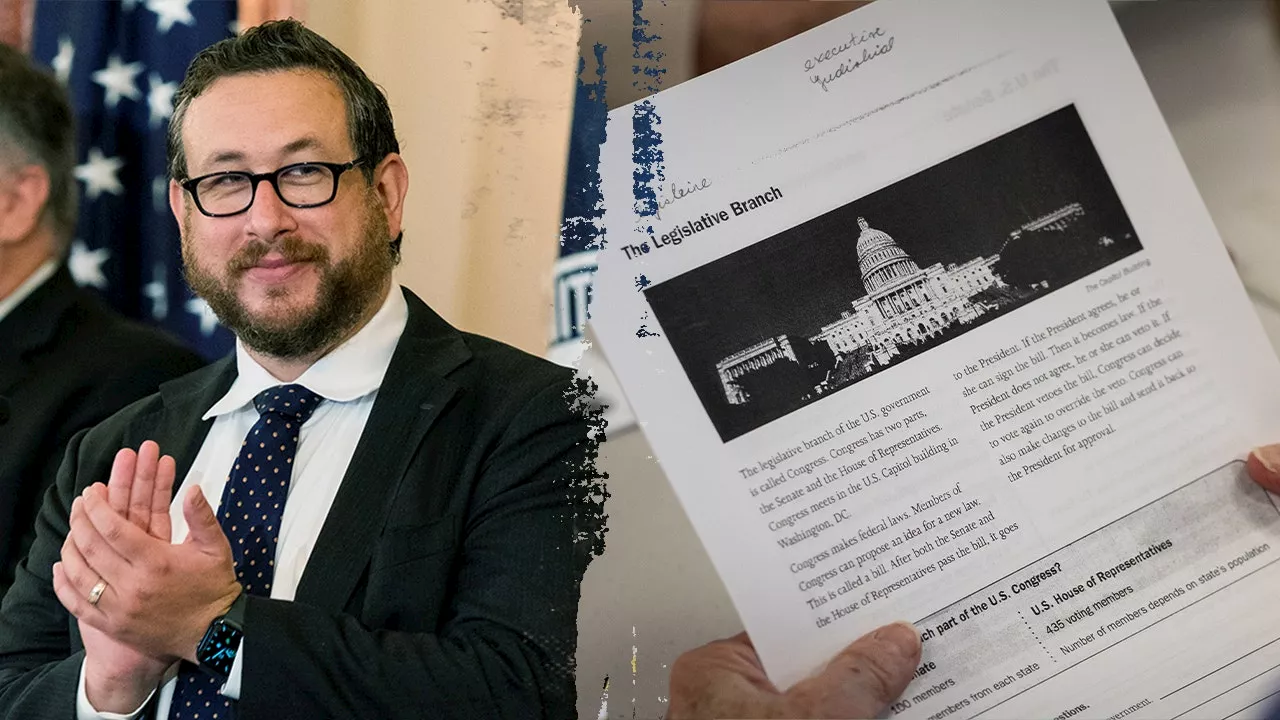
Maryland Gov. Wes Moore speaks during the "Monumental Conversation On the Road to 250" panel discussion at the Waldorf Astoria Hotel, Thursday, Sept. 18, 2025, in Washington. (AP Photo/Rod Lamkey, Jr.)
Residents of Maryland are expressing their dissatisfaction with Governor Wes Moore‘s recent initiative to redraw the state’s legislative district lines. A survey conducted by the Maryland State Survey found that fewer than one-third of residents consider this redistricting effort a top priority, suggesting a significant disconnect between the governor’s agenda and public sentiment.
The push for redistricting has been framed by Moore as a necessary step to ensure fair representation and to address demographic shifts within the state. However, the survey results indicate that many Marylanders are more concerned with pressing issues such as the economy and public safety. This reaction has prompted discussions about the political motivations behind the redistricting initiative, as well as the governor’s broader strategy leading into the next electoral cycle.
Survey Findings Highlight Public Priorities
According to the Maryland State Survey, conducted in early 2023, only 28% of participants identified redistricting as a critical issue. In contrast, the majority pointed to economic challenges and crime rates as their main concerns. The stark contrast between the public’s priorities and the administration’s focus on redistricting could complicate Moore’s efforts to maintain support within his party and among constituents.
Political analysts have noted that redistricting can serve as a vital tool for influencing electoral outcomes. However, when viewed through the lens of public opinion, Moore’s initiative may risk alienating voters who feel their immediate needs are being overlooked. The governor’s office has stated that the redistricting process is intended to ensure fair representation, but critics argue that it could favor the Democratic Party in upcoming elections.
Implications for Future Elections
As Maryland prepares for the next round of elections, the redistricting plans will likely come under increased scrutiny. The Maryland General Assembly is set to deliberate on the proposed changes, which could have lasting effects on the state’s political landscape. Observers are closely watching how these developments will affect voter turnout and party dynamics in the state.
Political leaders from both parties are weighing in on the issue. Some Democratic lawmakers have expressed support for Moore’s redistricting efforts, citing the need for updated district boundaries that reflect changing demographics. Conversely, Republican leaders have voiced concerns over the potential for gerrymandering, which they argue undermines democratic processes.
The coming months will be crucial for Governor Moore as he navigates the complexities of redistricting while trying to align his policies with the priorities of Maryland residents. With public opinion clearly indicating a desire for a focus on more immediate concerns, it remains to be seen how effectively his administration can reconcile these competing interests.