The Kennedy Center in Washington, D.C., is pursuing $1 million in damages from musician Chuck Redd, who cancelled his concert following the controversial renaming of the venue to include Donald Trump‘s name. Redd, a drummer and vibraphone player, has hosted the Christmas Eve performance annually since 2006. His decision to withdraw came shortly after a board vote to rename the site the Trump Kennedy Center.
In a letter to Redd, Richard Grenell, president of the newly named center, characterized the cancellation as a “political stunt” that has inflicted significant financial losses on the institution. Grenell stated that Redd’s actions have resulted in “dismal ticket sales and lack of donor support,” and he issued a formal notice indicating the center’s intent to seek damages.
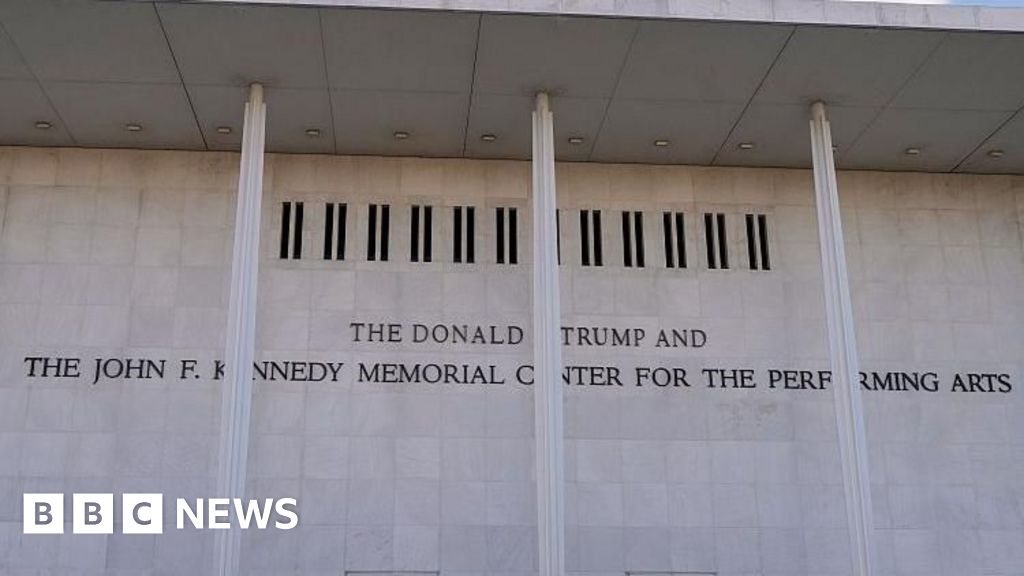
The rebranding of the cultural landmark was officially announced last week. The White House confirmed that the board had unanimously voted to rename it as the Donald J. Trump and John F. Kennedy Memorial Center for the Performing Arts. Following the announcement, crews promptly began adding Trump’s name to the building’s façade, while the center’s website and social media accounts were updated accordingly.
The White House defended the name change, attributing it to Trump’s efforts in renovating the facility. This move, however, faced backlash from various sectors, including Democrats, artists, and members of the Kennedy family.
Redd expressed his discontent about the name change, stating, “When I saw the name change on the Kennedy Center website and then hours later on the building, I chose to cancel our concert.” His sentiments align with the concerns raised by several lawmakers and legal scholars regarding the legality of the renaming process.
The Kennedy Center was designated as a living memorial to John F. Kennedy following his assassination in 1963. As it was established under a 1964 law, some U.S. lawmakers argue that congressional approval is necessary for any name change. Among those opposing the name change is Joyce Beatty, a Democratic congresswoman from Ohio. She recently filed a lawsuit aiming to remove Trump’s name from the center, claiming that a change requires “an act of Congress.” Beatty noted that she attempted to voice her opposition during the board meeting but was muted.
This situation highlights the political tensions surrounding cultural institutions and their affiliations, raising questions about the intersection of art and politics in contemporary society. As the legal proceedings unfold, the implications for both the Kennedy Center and the broader arts community remain to be seen.