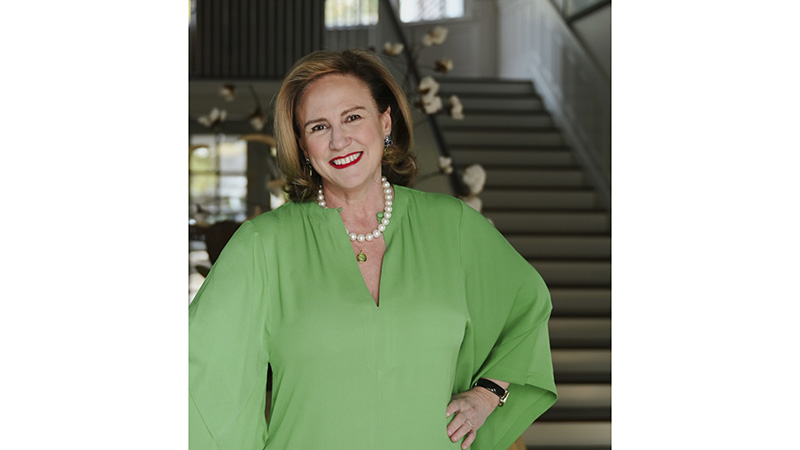
AUSTIN, Texas — In a significant event for Women’s History Month, Joyce James, the first African American to lead Texas Child Protective Services, engaged in a thought-provoking discussion about leadership and systemic change. The conversation, hosted by Sierr Sierra Waggoner and featuring Madelyn Peterson of GoneMad Productions and Ujima Magazine, highlighted the importance of equity in community service and the need for reform in social systems.
Transforming Leadership and Community Impact
Joyce James reflected on her historic journey, stating, “I ended up being the first Black woman — really the first Black person — to lead Texas Child Protective Services.” She began her career as a front-line caseworker, driven by a commitment to expand equitable practices statewide. James emphasized the necessity of addressing uncomfortable issues within the child welfare system, particularly the disproportionality affecting Black and Native American children.
“You can’t fix what you can’t see,” James noted, a mantra that guided her work throughout her career. She described her role as a mission, involving a deep dedication to improving the lives of children, youth, and families within the system. James acknowledged the challenges she faced in her position but expressed pride in the difference her leadership made. “It truly made a difference in the lives of many children, youth, families, and the staff who worked inside the system,” she said.
Building Bridges for Future Generations
Reflecting on the recent Building Bridges Summit held in December, James shared insights about its impact on fostering community connections. The summit, inspired by Dr. Martin Luther King Jr.’s vision of a Beloved Community, attracted participants from twelve states. “People described it as a safe space and a brave space, where we could come together with like-minded people and tell the truth about the things we were seeing happen in systems,” James explained.
The summit focused on the needs of Black children, youth, families, and communities, who disproportionately face inequities in various health and social systems. “We created momentum that we will carry forward into the next summit and future sessions,” she added, underscoring the ongoing commitment to meaningful improvements.
James also emphasized the significance of understanding one’s purpose in leadership. “We need to really come into our purpose, but we have to know what that is,” she remarked. Her journey has been shaped by a willingness to be vulnerable and transparent, allowing her to better understand the complexities faced by those affected by systemic challenges.
The conversation served as a powerful reminder that Women’s History Month is not only about honoring the achievements of those who came before but also about recognizing the leaders who are shaping the future. As Joyce James continues her work, she inspires a new generation of changemakers committed to equity and justice.