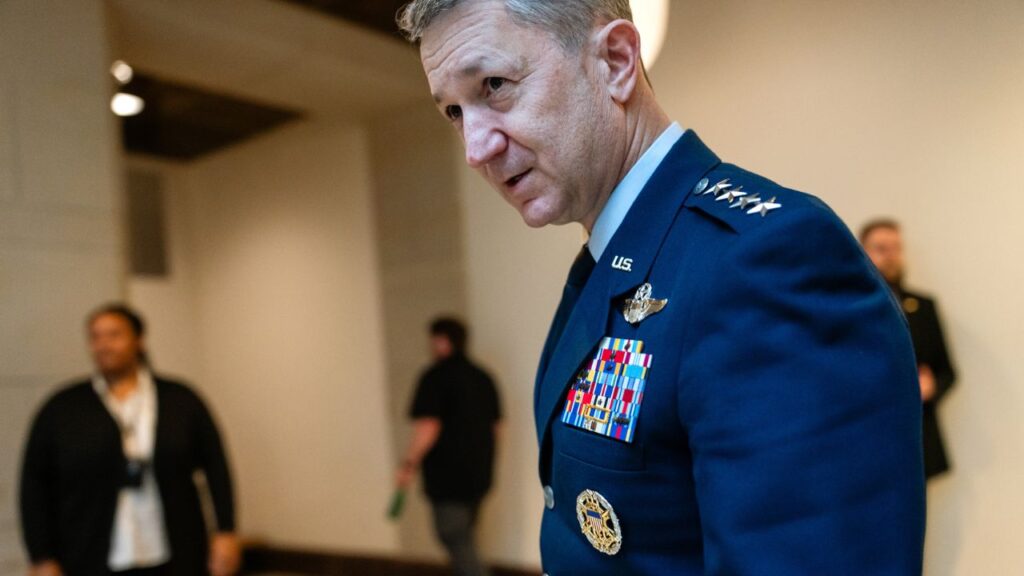
General Dan Caine, the chair of the Joint Chiefs of Staff, has convened a significant meeting of military leaders from across the Western Hemisphere, scheduled for February 11, 2024, in Washington, D.C. This gathering will bring together top military officials from 34 countries, including allies such as Denmark, Britain, and France, who have territories in the region. The primary focus will be enhancing coordination to combat drug trafficking and transnational crime.
Following a recent U.S. military operation that targeted Venezuelan President Nicolás Maduro, and amidst ongoing tensions regarding Greenland’s status, the meeting underscores the Trump administration’s renewed focus on the Western Hemisphere. The event highlights the evolving military dynamics and security strategies impacting the region.
Enhancing Regional Security Cooperation
The meeting aims to foster strong partnerships among defense leaders, emphasizing cooperation against criminal organizations and external threats undermining regional stability. According to a statement from Caine’s office, participants will discuss the critical need for united efforts to address these challenges.
While Caine promotes the meeting as a means to bolster regional cooperation, it arrives at a complex time for U.S. relations with both neighboring countries and European allies. Canadian Prime Minister Mark Carney recently characterized the current geopolitical climate as a “rupture,” signaling a shift away from U.S. dominance.
In the context of escalating tensions, the United States has been pressing Mexico to permit U.S. military personnel to conduct joint operations aimed at dismantling fentanyl production facilities. This push aligns with the administration’s broader strategy to combat drug cartels involved in the trafficking of fentanyl into the U.S.
Military Dynamics and Diplomatic Challenges
Discussions regarding Greenland have also intensified, with President Donald Trump asserting the island’s importance for U.S. national security. Although he previously suggested aggressive measures to acquire Greenland, Trump’s recent comments indicate a willingness to explore diplomatic solutions.
Military leaders are striving to maintain operational channels despite the surrounding diplomatic tensions. Senior U.S. commanders regularly engage with counterparts in Europe, Africa, and the Pacific. However, this large-scale gathering of Western Hemisphere military chiefs marks an unprecedented move by the Pentagon.
At the upcoming meeting, Caine is expected to advocate for enhanced coordination in countering drug trafficking and organized crime. Although initially scheduled for this week, it was postponed due to adverse weather conditions in Washington.
Challenges to this mission have already emerged. In September, the United Kingdom ceased sharing intelligence related to U.S. operations against drug trafficking boats in the Caribbean. This has raised concerns about the level of cooperation among allies.
Regional security expert Adam Isacson noted that the current administration appears to demand a stronger alignment from Latin American militaries with U.S. priorities, particularly in combating organized crime and limiting ties with adversarial nations. He indicated that there might be implicit consequences for militaries that do not adhere to these priorities.
General Caine, a former F-16 pilot with limited experience in Latin America, will be supported by key officials such as General Gregory M. Guillot, head of Northern Command, and Lieutenant General Evan L. Pettus, acting head of Southern Command. The nomination of General Francis L. Donovan to lead Southern Command awaits Senate confirmation.
This meeting represents a pivotal moment for military collaboration in the Western Hemisphere, as leaders address pressing security challenges and navigate the complexities of international diplomacy.