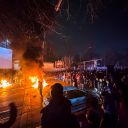
Large crowds have gathered in various Iranian cities to support the government, a response to ongoing protests that have claimed over 500 lives. Video footage broadcast by state media shows demonstrators in cities such as Kerman and Zahedan carrying images of Supreme Leader Ayatollah Ali Khamenei, holding copies of the Quran, and waving Islamic Republic flags. Reports indicate that participants in Kerman chanted “Death to America,” signaling the regime’s efforts to rally public support amid mounting dissent.
The protests, which have now entered their third week, have emerged as a significant challenge to Iran’s clerical leadership. According to the Human Rights Activist News Agency (HRANA), at least 544 individuals have been killed since the demonstrations began, including eight children. This information, however, has not been independently verified by CNN. The Iranian government has responded to the unrest with a violent crackdown that has left many citizens fearful for their safety.
As the situation escalates, US President Donald Trump has stated that his administration is exploring military options regarding Iran. While no decisions have been finalized, Trump indicated that potential military intervention could be on the table, which has prompted strong warnings from Iranian officials. Iran has vowed to retaliate if the United States intervenes militarily, heightening tensions between the two nations.
Widespread Arrests and Communication Blackouts
The scale of the protests has led to significant unrest across the country. HRANA reported that over 10,681 individuals have been arrested and transferred to prisons since the protests began. This crackdown has coincided with a nationwide communication blackout, as Iranian authorities cut internet access and telephone lines more than 84 hours ago. The cybersecurity watchdog NetBlocks confirmed this disruption, which has severely hampered efforts to grasp the full extent of the violence and casualties.
In a related development, Trump mentioned the possibility of discussing access to Starlink, the satellite internet service developed by tech entrepreneur Elon Musk, to provide Iranians with connectivity during the blackout. This dialogue reflects ongoing concerns about information access and the role of technology in modern protests.
Protests and Mourning Continue Amid Growing Tensions
In addition to the demonstrations in support of the regime, there are reports of mourners openly expressing anti-government sentiments during funeral ceremonies for protest victims. Videos from Tehran show crowds chanting “Death to Khamenei” as families gather to bury their loved ones. The situation remains fluid, with protests continuing in various regions, including the northern province of Mazandaran, where demonstrators were heard chanting “Long live the Shah.”
Despite the state-imposed internet blackout, CNN has been actively gathering footage to document the growing unrest. Reports indicate that families are struggling to identify their deceased relatives at the Kahrizak Forensic Medical Center, where bodies of the slain have been taken. One heart-wrenching video shows individuals searching for their loved ones among dozens of bodies lined up outside the facility.
As the world watches, the protests in Iran reflect deep-seated frustrations over economic hardship, authoritarian governance, and the recent violent response to dissent. The Iranian government’s ability to maintain control in the face of such widespread discontent remains uncertain, as both domestic and international pressures mount.