The mass deportation efforts initiated by former President Donald Trump have created a climate of fear among legal immigrant entrepreneurs in the United States. Alejandro Flores-Muñoz, an entrepreneur and advocate, highlights the precarious situation faced by many who have built businesses and contributed to their communities.
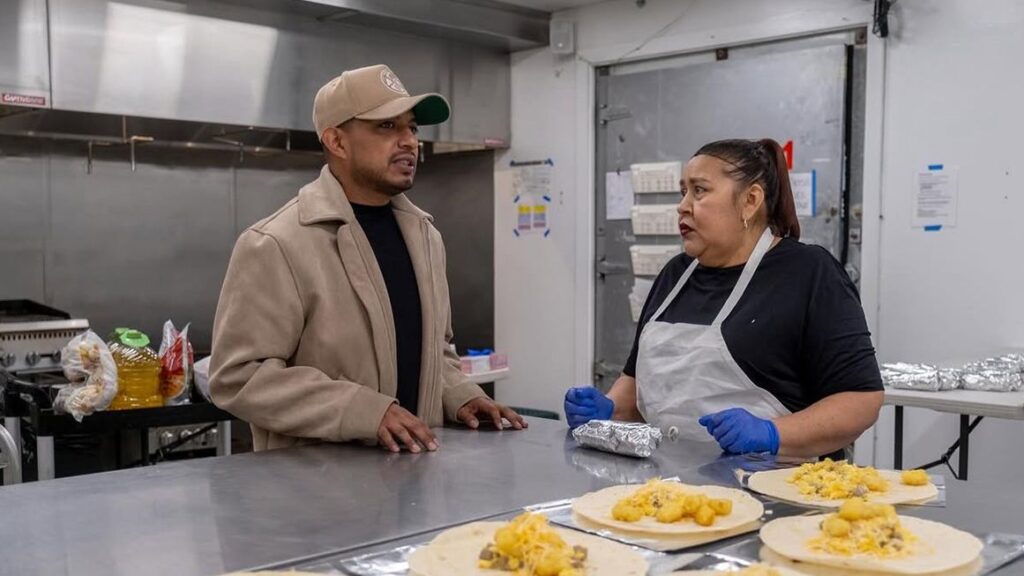
Flores-Muñoz, originally from Guadalajara, Mexico, experienced entrepreneurship firsthand as a child. His mother sold various products to support their family after relocating to the U.S. “From having to watch her figure out how to make a large batch of cheesecakes and flanes to observing her develop selling points, that entrepreneurial spirit was instilled in me,” he recalls. After receiving Deferred Action for Childhood Arrivals (DACA) status in 2012, he launched several ventures, including a catering company and a food truck. He expressed his desire to operate legally, stating, “I wanted to pay taxes… to get a business license.”
Yet, the political landscape shifted dramatically when Trump began his second term. Since January 20, 2025, Flores-Muñoz notes, “I have never really feared for my immigration status… that has changed.” He has even prepared a contingency plan in case he is detained, a consideration he never thought he would have to make.
The entrepreneurial contributions of immigrants are significant. They launch businesses at a rate higher than native-born Americans, creating jobs and enhancing local economies. Yet, many are now caught in the crosshairs of Trump’s deportation policies, which have targeted individuals like Flores-Muñoz who are legally present.
Impact of Mass Deportations on Immigrant Entrepreneurs
Trump’s administration pledged to focus on “the worst of the worst,” yet data suggests that this has not been the case. An analysis by the Cato Institute reveals that only 29% of individuals detained by Immigration and Customs Enforcement (ICE) between January and June 2025 had prior criminal convictions. In fact, the daily arrests of immigrants without any convictions increased to approximately 453 per day by early June, a fourteen-fold rise since the beginning of the year.
Many immigrant entrepreneurs have found themselves ensnared in this crackdown. One notable case is that of Kelly Yu, who fled China and established two successful sushi restaurants in Arizona. Despite her lack of criminal offenses and attempts to secure legal status, Yu was detained by ICE in May during a routine immigration meeting, prompting public outcry for her release.
Similarly, Paul Dama, the operational manager of a Boston restaurant, faced detention despite holding work authorization and a pending asylum case. His absence forced his sister to manage their two restaurant locations alone, impacting their 20 employees. Fortunately, after three months, Dama was granted asylum.
In another instance, Moises Sotelo-Casas, a vineyard manager in Oregon who had lived in the U.S. since the 1990s, was detained while on his way to work. He had begun the legal immigration process but was eventually deported back to Mexico. These stories exemplify how immigrant entrepreneurs are often caught in the immigration enforcement net, despite their contributions to society.
The Broader Economic Implications
The implications of mass deportations extend beyond individual lives. Immigrants are a vital component of the U.S. economy, accounting for over 3.8 million entrepreneurs, of whom approximately 1.1 million are undocumented. According to the American Immigration Council (AIC), immigrant entrepreneurs own nearly 20% of all employer companies in the U.S. Their businesses contribute significantly to the national economy, providing essential services and driving job creation.
Research indicates that immigrants are 80% more likely to establish businesses than their U.S.-born counterparts. They not only create small firms but also medium and large enterprises. A study from the Bipartisan Policy Center highlights that immigrants formed about 25% of new businesses in the U.S. between 2007 and 2012, with rates surpassing 40% in some states.
Despite these statistics, the current environment poses significant challenges for immigrant entrepreneurs. Many face barriers such as language difficulties and a lack of recognition for their foreign credentials. The absence of a visa category specifically for immigrant entrepreneurs complicates their ability to start businesses legally.
In light of these challenges, some localities have initiated measures to support immigrant entrepreneurship. For example, California has allowed undocumented immigrants to secure business licenses since 2014, while Colorado lifted similar bans in 2022. Efforts at the national level have included proposed legislation aimed at creating visa categories for immigrant entrepreneurs, with varying degrees of success.
As the situation unfolds, Flores-Muñoz emphasizes the importance of recognizing the contributions of immigrant entrepreneurs. “We’re more than what we’re portrayed to be,” he asserts. His experiences reflect the resilience and determination that many immigrants embody as they navigate the complex landscape of entrepreneurship in the United States.
The ongoing debate over immigration policy continues to shape the experiences of immigrant entrepreneurs. While the crackdown poses threats to their livelihoods, it also underscores the critical role they play in the American economy and society.