Preparations are in full swing for Hungary’s national holiday on March 15, 2024, with both government and opposition factions planning large-scale rallies in Budapest. This year’s events come amid heightened political tension, as both sides mobilize their supporters for significant demonstrations on the same day.
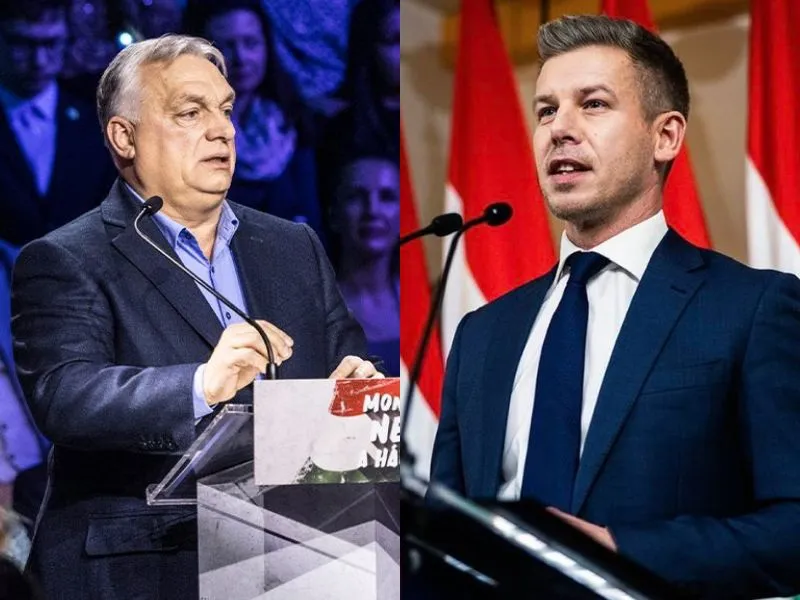
The Peace March, organized by the Civil Cooperation Forum (COF), has become a notable highlight of Hungary’s National Day celebrations in recent years. Initially, there were discussions about changing the date of the march, but organizers have confirmed that it will proceed on March 15. Prime Minister Viktor Orbán remarked on social media, “Peace March on 15 March. The biggest.” His comments reflect the government’s ongoing narrative of positioning itself as a pro-peace entity.
László Csizmadia, president of COF, emphasized the importance of the event, stating, “Every Hungarian who wants to stand against war must come to the Peace March.” Organizers anticipate a turnout exceeding previous years, with participants expected to arrive in Budapest via organized transportation from various regions.
On the other side of the political spectrum, the Tisza Party has announced its own rally, aiming to gather supporters on Andrássy Avenue on the same day. The party’s call to action urges participants to “fill the avenue together,” framing the event as a pivotal moment reminiscent of Hungary’s historical struggles for freedom.
Péter Magyar, the president of the Tisza Party, highlighted the enthusiasm surrounding the gathering, noting that over 42,000 people have already expressed interest on social media platforms. He described the event as potentially the largest since the democratic transition, rallying supporters to “come to the National March, bring your friends and let’s write history together!”
As both groups prepare for demonstrations that could draw significant crowds, the political stakes are high. The events on March 15 mark the anniversary of Hungary’s 1848–49 revolution, a historical context that adds weight to the political displays.
This year, the rallies are not merely commemorations but serve as powerful platforms for each faction to assert its political strength. The presence of both Orbán and Magyar during these events signals a competitive atmosphere, with implications for the upcoming election cycle.
While the rallies themselves may not singularly determine the outcome of the 2026 election, they are likely to influence the political landscape and energize supporters ahead of the campaign period. The mobilization efforts by both sides indicate a robust engagement from the electorate, underscoring the importance of public demonstrations in shaping political narratives in Hungary.
As preparations continue, all eyes will be on Budapest on March 15, where the convergence of these two major rallies promises to make a significant impact on Hungary’s political discourse.