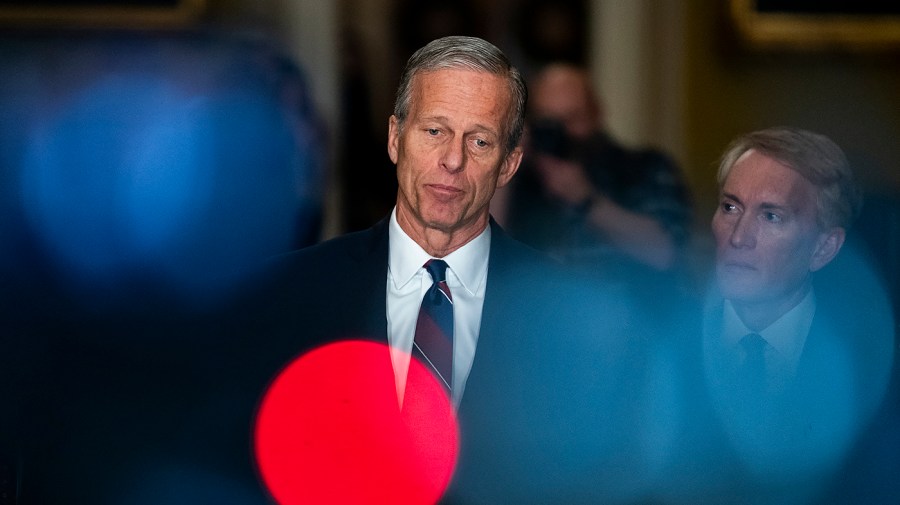
Pressure is mounting on Republican leaders in Congress as rising health insurance premiums threaten to escalate into a significant healthcare crisis. On Thursday, four Republican senators broke ranks, sending a clear message to Senate Majority Leader John Thune (R-S.D.) by voting against party lines. Their action highlights the urgency among rank-and-file Republicans to address the anticipated surge in health insurance costs for the upcoming year.
The four senators, whose identities have not been disclosed, are part of a growing faction within the GOP advocating for immediate action to mitigate the expected rise in premiums. This development signals a potential shift in Republican priorities as they face concerns from constituents about affordability and access to healthcare.
In recent weeks, health insurance premiums have been projected to increase significantly, prompting fears that many Americans could struggle to afford necessary coverage. According to a report from the Congressional Budget Office, premiums could rise by an average of $1,200 annually for families, leading to widespread public discontent and calls for reform.
The dissent among Republican senators comes at a critical time as Congress prepares to negotiate major health funding measures. With the 2024 election cycle approaching, party leaders are increasingly aware that failing to address these concerns could jeopardize their standing with voters.
In response to the senators’ actions, John Thune is expected to hold discussions with GOP leaders to explore feasible solutions that could alleviate the pressure on health insurance costs. Key proposals under consideration include expanding subsidies and revising existing healthcare legislation to better serve the needs of constituents.
As the situation develops, the Republican leadership faces a challenge in balancing party unity while responding to the pressing demands of their members. The outcome of these negotiations could have significant implications not only for the Republican Party but also for the millions of Americans who rely on affordable health insurance.
This evolving story underscores the complexities of healthcare policy in the United States and the ongoing struggle within the Republican Party to address pressing issues that affect their constituents. The actions taken by these senators may well be a harbinger of broader changes in healthcare policy discussions leading into 2024.
In summary, with rising health insurance premiums looming large, Republican leaders must navigate the delicate balance between party alignment and the urgent needs of the public. The decisions made in the coming weeks will likely shape the health policy landscape for years to come.