Recent developments in national security and Korean affairs highlight a range of emerging issues impacting global power dynamics. Key topics include the evolving nature of American power, significant movements within North Korea, and the geopolitical implications of military strategies.
American Power and Global Dynamics
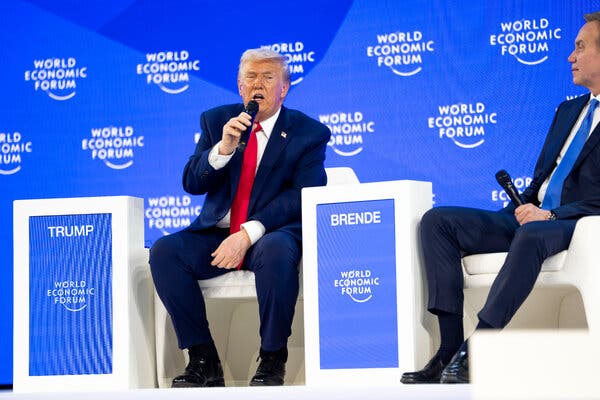
A report outlines how the exercise of American power is shifting internationally. The transition from shared rules to unilateral actions in the “gray zone” is reshaping relationships between states. According to analysis, this shift raises questions about the future of international cooperation and the balance of power.
Despite speculation surrounding advanced military technology, it has been confirmed that the United States possesses classified directed energy weapons. Notably, these were not deployed in the recent raid involving Venezuelan leader Nicolás Maduro, dispelling rumors that had circulated prior to the operation.
Another significant topic of discussion is the ongoing Iranian protest movement, which has been closely monitored for narratives that reveal the underlying truths of the situation. This analysis provides critical context for understanding the geopolitical implications of unrest in the region.
North Korea’s Internal and External Maneuverings
In North Korea, abrupt leadership changes continue to signal potential instability. Recently, Kim Jong Un dismissed a vice premier during a factory ceremony, illustrating the unpredictable nature of his regime. This incident occurred ahead of a key party congress, further highlighting the internal power struggles within the government.
Trade between North Korea and China has surged by 25% in 2025, nearing pre-pandemic levels. This uptick may suggest a strengthening of economic ties, despite ongoing sanctions and international scrutiny.
In military developments, South Korea is evaluating the establishment of a joint operations command to enhance wartime control capabilities as it prepares for potential threats from the North. This move reflects a broader strategy to bolster defenses amid heightened tensions in the region.
With the backdrop of these developments, the recent political climate has prompted discussions regarding the implications of U.S.-China relations. Analysts suggest that as the gap between these two superpowers narrows, the global power landscape could undergo significant changes by 2035.
In summary, the intricacies of national security and Korean affairs reveal a complex interplay of internal dynamics, international relations, and military strategies that will shape the future of global politics. As these developments unfold, they will continue to attract attention from policymakers and analysts alike, emphasizing the need for careful monitoring of these critical issues.