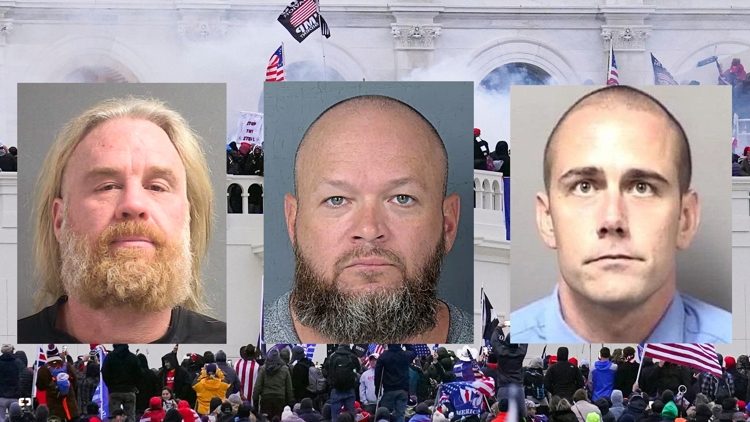
ST. PETERSBURG, Fla. — Three individuals from Florida, previously involved in the January 6 Capitol riot, are now facing new criminal charges unrelated to their actions during the insurrection. Despite having received pardons from former President Donald Trump in January 2025, these defendants have encountered fresh legal issues that underscore ongoing concerns about the aftermath of the Capitol breach.
On January 6, 2021, a mob of Trump supporters stormed the U.S. Capitol, resulting in violence that left five dead and numerous injuries. Approximately 1,500 individuals were charged with various federal crimes connected to the riot, which included charges ranging from misdemeanors for trespassing to felonies for assaulting police officers. Florida recorded the highest number of arrests, with 153 individuals charged, including at least 33 from the Tampa Bay area, according to the U.S. Department of Justice.
New Charges for Andrew Johnson
Among those facing new legal challenges is Andrew Johnson, a 44-year-old from the Tampa Bay area. Johnson was accused of entering the Capitol by crawling through a broken window and pleaded guilty in Spring 2024 to charges of violently entering a restricted building and disorderly conduct. Following his pardon in January 2025, Johnson was arrested again in July 2025 on allegations of child sexual abuse.
A probable cause affidavit details accusations that Johnson molested his girlfriend’s 11-year-old son three times in 2024, including incidents at their home in Tarpon Springs. The affidavit also notes that Johnson allegedly told the boy he received a pardon for his actions on January 6 and was to be awarded $10 million for being a “Jan 6’er.” This tactic was reportedly intended to dissuade the child from revealing the abuse. Johnson has pleaded not guilty to the new charges.
Daniel Ball and Jarod Hawks Face Additional Legal Issues
Another individual, Daniel Ball, has also encountered new troubles following his involvement in the Capitol riot. According to the DOJ, Ball threw an explosive device at the Capitol entrance, injuring several officers. He was charged with multiple felonies, but his case was dismissed shortly before Trump issued pardons. Just days later, Ball was re-arrested on felony firearm charges due to a prior felony record involving domestic violence.
Similarly, Jarod Hawks, 44, from Port Orange, has had multiple run-ins with the law after the January 6 events. Hawks was accused of using a “Keep America Great” sign as a weapon against police officers and faced several felonies, including assault on a federal officer. After his case was dismissed by Trump, he was arrested multiple times on various charges, including battery and burglary. Most recently, in November 2025, he faced charges of battery and contempt of court.
These developments highlight the complex legal landscape for individuals involved in the January 6 insurrection. The pardons they received have not shielded them from subsequent criminal allegations, raising questions about accountability and the long-term impact of their actions. The ongoing cases serve as a reminder of the significant consequences that can follow from violent acts against democratic institutions.