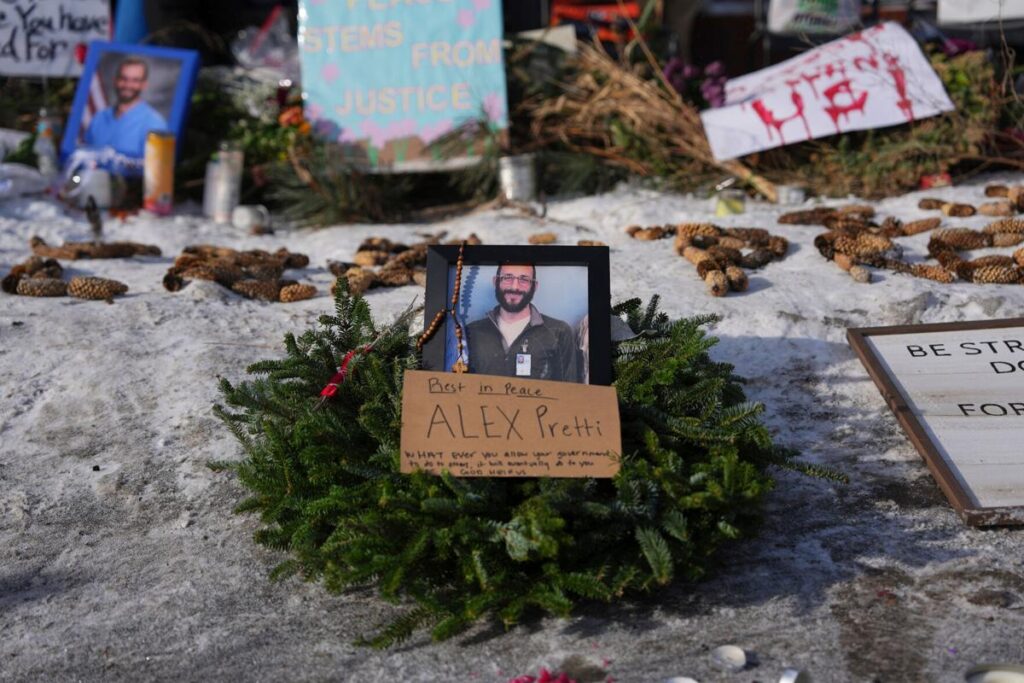
A federal judge has issued a restraining order preventing the Trump administration from altering or destroying evidence related to the shooting death of an American citizen by federal immigration agents in Minneapolis. This ruling comes in the wake of growing concerns regarding the conduct of federal authorities in the investigation of these incidents.
In a decision made public on March 15, 2024, the judge emphasized the importance of preserving evidence in light of the recent shooting, which marked the second such incident involving federal immigration agents. The ruling aims to ensure transparency and accountability in the ongoing investigation, a move seen as crucial given the controversial nature of federal operations in local communities.
The restraining order highlights the tension between federal authorities and local populations, particularly as incidents involving immigration agents have raised alarm and sparked public outcry. The judge’s ruling reflects a recognition of the potential for governmental overreach and the necessity of maintaining integrity in the investigation process.
Donald Trump has faced significant scrutiny for his administration’s handling of immigration policies, especially in relation to their enforcement. Critics argue that the current approach disregards the human rights of individuals, while supporters claim it is essential for national security. The Minneapolis shootings have intensified these debates, drawing attention to the broader implications of federal authority in local law enforcement matters.
As the investigation unfolds, the implications of this restraining order may extend beyond the immediate case. It raises questions about the administration’s trustworthiness and the accountability measures in place for federal agents. The judge’s decision serves as a vital check on executive power, reinforcing the principle that the rule of law must prevail, even in contentious circumstances.
The Minneapolis community, still reeling from the shock of these incidents, is closely monitoring developments. Residents have expressed concerns about public safety and the role of federal authorities in their neighborhoods. This ruling may provide a sense of reassurance that there is oversight in place, prompting calls for further reforms in immigration enforcement practices.
In conclusion, the federal judge’s decision to block any alteration of evidence related to the Minneapolis shootings marks a significant moment in the ongoing dialogue about immigration enforcement in the United States. With scrutiny on the actions of federal agents heightened, the ruling may pave the way for a more transparent investigation and renewed discussions on the balance between security and civil rights.