A coalition of religious leaders in Portland, Maine, has rallied to provide support for immigrants detained by U.S. Immigration and Customs Enforcement (ICE). On a recent winter day, the group gathered outside the Cumberland County Jail to express solidarity with those held within its walls. This vigil highlights the intertwining issues of immigration and climate justice, as many immigrants face displacement due to environmental factors.
The gathering featured leaders from various faiths who came together to sing prayers and offer their support. Among them was Rev. Dr. Allen Ewing-Merrill, executive director of The BTS Center, who emphasized the human toll of immigration enforcement. Detained individuals, including children, are often transported long distances from their homes, leaving families shattered. Recently, two teenagers, Joel and Estefania, were taken by ICE along with their mother and sister, prompting a march of over 500 young people in their support.
The march from Monument Square to City Hall was a poignant display of community solidarity. Participants expressed their anguish over the abduction of their friends, who have contributed to legal funds for other families facing similar fates. As parents, the emotional weight of such experiences is profound, and many are outraged by the fear that looms over immigrant communities.
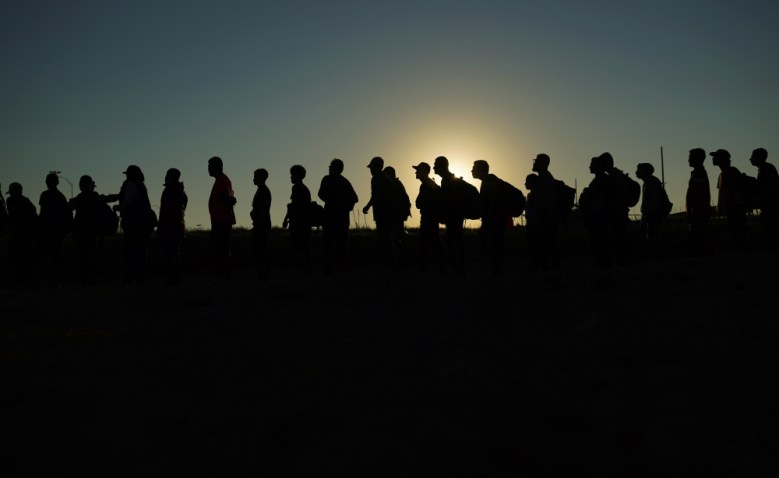
The connection between immigration and climate change is complex. While migrants may not always cite environmental degradation as their primary reason for leaving, it often plays a significant role. According to humanitarian organization Oxfam, approximately 20 million people are forced to abandon their homes annually due to climate-related disasters. This statistic translates to one person displaced every two seconds, illustrating the urgent need for a comprehensive understanding of the factors driving migration.
Rising sea levels, wildfires, flooding, and drought all contribute to the instability that forces people to leave their homelands. Communities that have relied on agriculture for generations face hunger and economic collapse when environmental conditions shift. In turn, this desperation can lead to conflict, further exacerbating the cycle of displacement.
When faith leaders advocate for the rights of immigrants, they are also addressing the broader implications of climate justice. The intersectionality of these issues is crucial; as communities work together to uphold the dignity of all individuals, they contribute to a more just and equitable world. The sentiment echoes the words of Rev. Dr. Martin Luther King Jr., who noted that “injustice anywhere is a threat to justice everywhere.”
As 2026 approaches, the weight of grief and suffering remains palpable. Acknowledging the shared roots of social injustices can empower communities to respond collectively. Compassionate actions taken in support of immigrants resonate with the broader work of addressing climate change and its impacts.
In this moment of crisis, the call for solidarity is stronger than ever. By standing together, communities can not only support their immigrant neighbors but also take a stand against the environmental injustices that contribute to their plight. The path forward requires a united front that prioritizes justice, compassion, and the recognition of our shared humanity.