As National Engineer’s Week approaches, running from February 22 to 28, 2024, engineers are being recognized for their significant contributions to society. This year’s theme, “Transform Your Future,” emphasizes how engineering not only shapes infrastructure but also creates opportunities for diverse young people to envision a career in this vital field.
Reflecting on his 30-year career with the Hampton Roads Sanitation District (HRSD), departing chief engineer Bruce W. Husselbee highlighted the evolution of the profession. He noted the shift from traditional utility management to a proactive stance on environmental preservation. “We must move away from our risk-averse views and truly embrace innovation,” Husselbee stated, emphasizing the necessity for engineers to adapt to modern challenges.
Engineering impacts daily life through the design and maintenance of essential infrastructure like roads, bridges, and water systems. In the Hampton Roads region, HRSD treats an impressive 150 million gallons of wastewater daily, serving over 20 communities. This extensive operation includes managing more than 500 miles of pipelines, 100 pumping stations, and 16 treatment plants. Husselbee expressed pride in the balance between advanced technology and cost-effective solutions that HRSD has achieved over the decades.
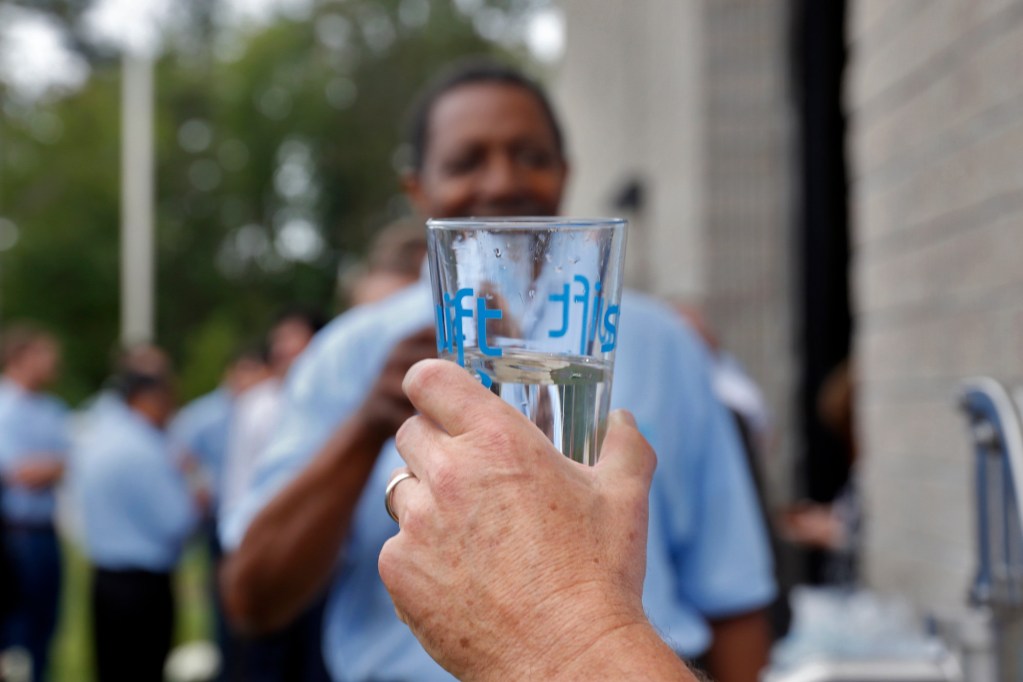
The Sustainable Water Initiative For Tomorrow (SWIFT) represents a major engineering advancement, involving a $2 billion commitment to convert wastewater to drinking water standards. This initiative aims to recharge the Potomac Aquifer, while also addressing crucial environmental concerns, such as nutrient discharge into the Chesapeake Bay and groundwater levels affected by sea-level rise. “SWIFT will help significantly reduce the amount of nutrients discharged into the tributary rivers and replenish our dwindling groundwater supplies,” said Husselbee.
Despite these advancements, Husselbee pointed out a pressing challenge in the engineering sector — the shortage of qualified graduates. The United States currently graduates too few engineers, particularly in the civil, electrical, and computer fields. He underscored that while artificial intelligence (AI) can enhance efficiency, it cannot replace the passion and ethical judgment that human engineers provide. “AI can be an efficiency multiplier,” he explained, “but human wisdom will be required to ensure its application benefits all citizens.”
As Husselbee prepares to transition from his role at HRSD, he calls on the community to recognize the vital work of engineers who contribute daily to public health and environmental protection. “Engineers are the quiet guardians of our future,” he remarked, urging support for the next generation of STEM students. By fostering a culture of innovation and mentorship, the field of engineering can continue to thrive and address the challenges of the future effectively.
As National Engineer’s Week unfolds, it serves as a timely reminder of the crucial role engineers play in building a sustainable world.