The 150th Westminster Kennel Club dog show unfolded at the Javits Center in New York, drawing not only impressive canines but also passionate trainers and handlers who shared their profound connections with their dogs. While competition was fierce, the conversations revealed that the values of stewardship, care, and ethics often outweighed the desire for victory.
Stepping into the show, the atmosphere quickly warmed as participants and spectators welcomed the friendly dogs. Each dog seemed to exude a spirit of affection, making the cold winter outside feel distant. Among the bustling crowd, trainers and handlers were eager to discuss their dogs, sharing stories that transcended mere competition.
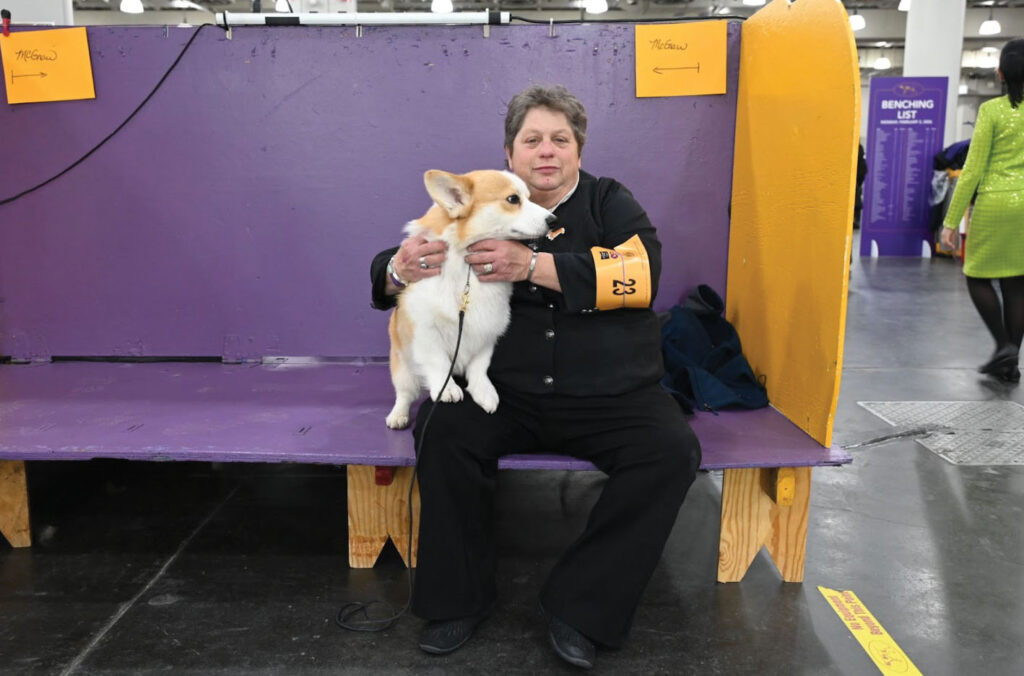
Ellen Burleson, a dog trainer from Cotati, California, brought her corgi, River, to the event. With a deep understanding of the intricacies of dog showing, she explained the championship process, stating it requires accumulating 25 points through various eliminations. Dogs are judged against a detailed written standard, which can be extensive, such as the 30-page guideline for corgis that includes geometric specifications for head shape.
Burleson emphasized the subjective nature of dog shows, likening the experience to a “giant slot machine,” where outcomes can vary greatly. This perspective highlighted the balance between skill and luck, a common theme among participants who had invested years into their craft.
When discussing ethics, Burleson reflected on her upbringing and the absence of a direct link between her Jewish identity and her profession. She noted, “Dogs are dogs. We don’t talk religion. We talk dogs,” reinforcing the idea that the bond between humans and dogs transcends religious and cultural differences. Her commitment to her dog was evident, as she remarked, “A good dog is a good dog,” regardless of the owner’s background.
In contrast, Eric Steel, a lifelong saluki breeder from Amagansett, New York, approached the conversation with a sense of lineage. He described dog training as a relationship built on empathy and attentiveness rather than strict behavioral modification. Steel believes that being part of the tradition of breeding and caring for salukis connects him to a legacy that spans thousands of years.
Steel’s passion was not solely about winning competitions; he aimed to ensure the survival and continuity of an ancient breed. His dedication to the repetitive, everyday practices of caring for dogs underscored a commitment to stewardship that he viewed as part of a larger responsibility.
Ashley Waters, a handler from Indiana, infused her training approach with a spiritual perspective. She articulated that every interaction with dogs is an opportunity to engage with a higher purpose. She said, “Every time we’re working with dogs … is an opportunity God gives us,” framing her work as a form of service. Waters emphasized the importance of patience and fun in training, viewing it as an offering, where both dogs and their owners can find joy.
The conversations at Westminster illustrated how faith, identity, and ethics intersected in unexpected ways. For Waters, her Christian beliefs shaped her approach to patience, while Burleson’s Jewish background provided context for her understanding of prejudice without dictating her dog training philosophy. Steel’s narrative blended a sense of tradition with personal responsibility, revealing a profound respect for the breeds he cares for.
A quieter but equally poignant voice was that of Tammy Tomlinson, who attended the show with her golden retriever, Daniel, who won the Sporting Group in 2020. Tomlinson emphasized that the love and care for animals should come first, a sentiment that resonated deeply with those in attendance. She connected her values to a rural upbringing that prioritized animal stewardship, encapsulating a belief that caring for dogs is fundamental to one’s character.
The insights shared at the Westminster dog show reflected a broader understanding of stewardship that goes beyond competition. Participants did not view their roles merely as trainers or handlers; rather, they embraced their responsibilities as caretakers of life—animals deserving of celebration and love.
In conclusion, the stories shared at Westminster revealed a shared ethic among dog trainers and handlers that transcends individual backgrounds. Through their commitment to their dogs, they expressed a collective belief in the moral practice of care, whether it is rooted in faith, tradition, or personal values. The warmth of the dog show contrasted sharply with the chill of the New York winter, as relationships built on mutual respect and love took center stage.