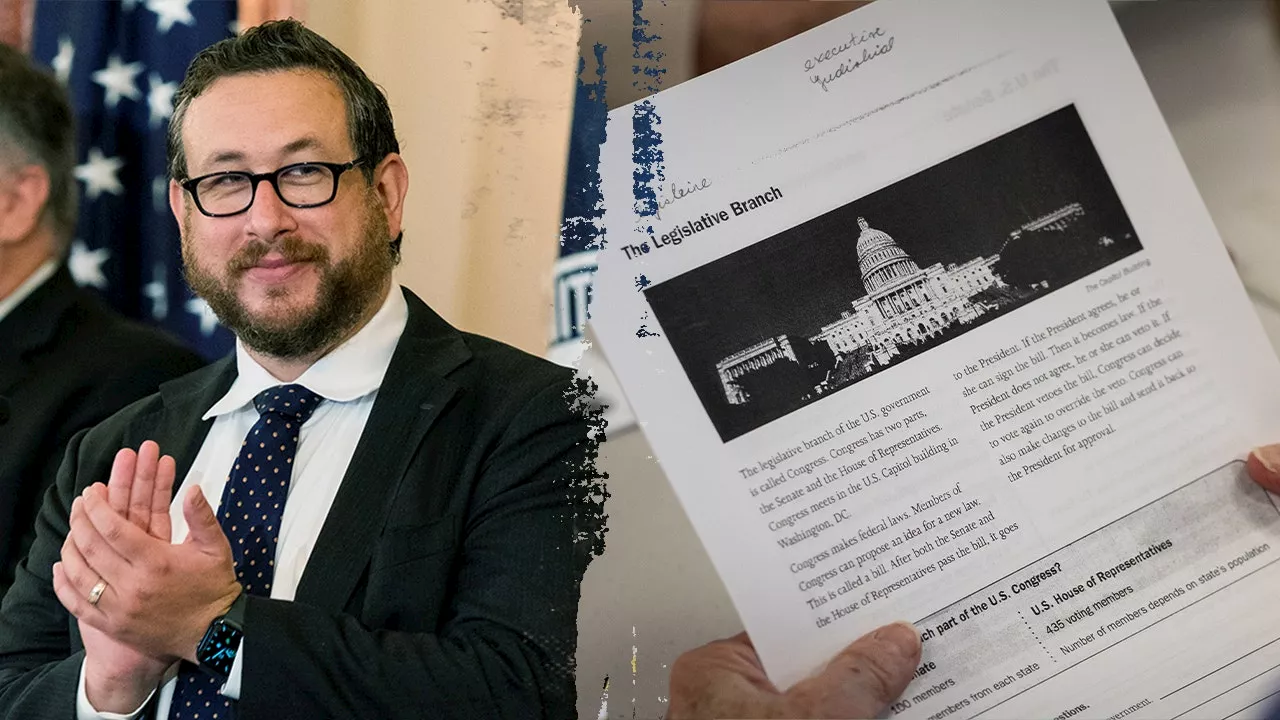
OGUNQUIT, MAINE - OCTOBER 22: U.S. senatorial candidate from Maine Graham Platner speaks at a town hall at the Leavitt Theater on October 22, 2025 in Ogunquit, Maine. Platner, a veteran of the U.S. Marines and an oyster farmer, is running for the seat held by Sen. Susan Collins (R-ME). (Photo by Sophie Park/Getty Images)
The ongoing debate over health care in the United States has intensified as Democrats rally against the GOP’s stance on Obamacare. With the midterm elections approaching, the discussion around Medicare for All has resurfaced, posing potential challenges within the Democratic Party itself.
Democratic leaders are criticizing Republican efforts to undermine the Affordable Care Act (ACA), commonly known as Obamacare. They argue that the GOP’s attempts to repeal or replace the ACA jeopardize access to health care for millions of Americans. This united front aims to highlight the Democrats’ commitment to protecting health care coverage as a key issue heading into the elections.
While the party presents a cohesive message against the GOP’s health care policies, the introduction of Medicare for All could introduce significant divisions among Democrats. Some progressives advocate for a single-payer health care system, believing it would provide universal coverage and reduce overall costs. However, moderate Democrats express concerns about the political implications and the feasibility of such a sweeping reform.
Leading up to the midterms, Democrats are focusing their campaigns on the tangible benefits of the ACA, which has expanded health insurance coverage to over 20 million Americans since its enactment in 2010. They argue that the ACA has helped decrease the uninsured rate and that any efforts to dismantle it would reverse these gains.
The debate over Medicare for All remains contentious within the party. Advocates cite its potential to eliminate out-of-pocket expenses and provide comprehensive coverage as persuasive reasons for its adoption. Yet, critics warn that promoting such a radical change could alienate moderate voters who may prefer to build on existing frameworks rather than replace them entirely.
As the midterm elections approach, the Democratic Party is at a crossroads. While they aim to present a unified front against the GOP, the differing perspectives on health care reform could complicate their efforts. The outcome of this internal debate may influence not only the midterm results but also the future direction of health care policy in the United States.
In conclusion, the upcoming elections will serve as a critical test for the Democratic Party. As they navigate the complexities of health care reform, the pressure to maintain unity while addressing the diverse views within the party will be essential. The stakes are high, with millions of American lives potentially affected by the decisions made in the coming months.