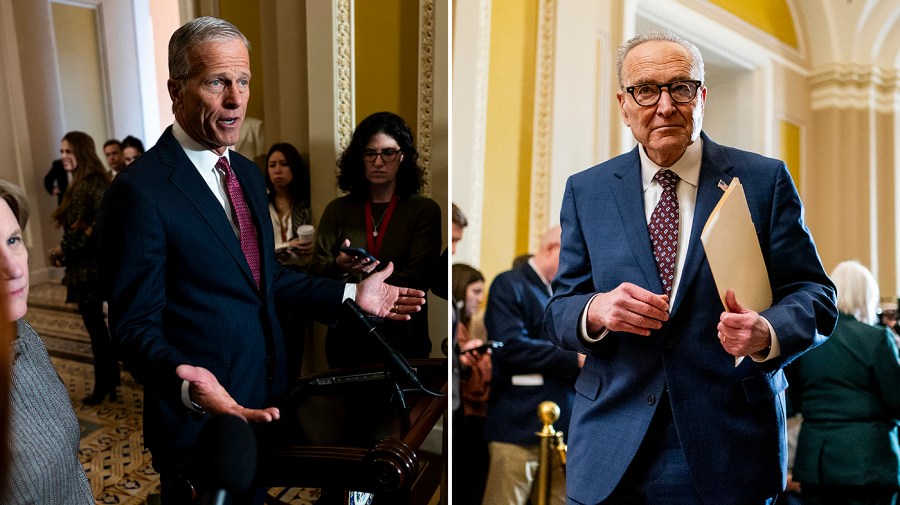
A potential partial government shutdown looms over Congress as negotiations stall, primarily due to a list of reforms proposed by Senate Democratic Leader Chuck Schumer. On September 27, 2023, Schumer outlined key changes that the Democrats want to implement within the Department of Homeland Security. These proposals are expected to meet significant opposition from President Trump and Republican leaders.
The risk of a government shutdown stems from a failure to reach an agreement on six critical funding bills required to keep federal operations running. Schumer emphasized the necessity of these reforms, arguing that they are essential for addressing urgent issues within the Homeland Security sector. Democrats have indicated they are prepared to block any funding measure that does not incorporate their proposed changes.
Republican leaders, on the other hand, have expressed strong opposition to Schumer’s demands, asserting that the proposed reforms could compromise national security. Senate Majority Leader Mitch McConnell has criticized the Democrats for what he describes as an “unwillingness to cooperate,” stating that their demands are unrealistic given the current political climate. The standoff has created a sense of urgency, with only days remaining before funding runs out.
Political Implications of the Standoff
The potential shutdown could have extensive political ramifications. It would not only affect federal employees and services but could also influence public opinion in the lead-up to the 2024 elections. Various polls indicate that a majority of Americans oppose government shutdowns, viewing them as detrimental to the functioning of the government.
In addition to the immediate concerns of funding, the negotiations touch upon larger issues, including immigration policy and border security. Democrats are advocating for reforms that would enhance the protection of asylum seekers and improve the processing of immigration cases. Republicans argue that these changes could lead to increased illegal immigration and strain resources further.
As discussions continue, there is palpable frustration among lawmakers. Many are calling for bipartisan efforts to resolve the impasse and avert a shutdown. Representative Nancy Pelosi, the former Speaker of the House, has urged both parties to come together to find common ground.
What’s Next for Congress?
With time running out, Congress faces a critical decision. Should negotiations continue to falter, the government risks a shutdown that could leave thousands of federal workers without pay and disrupt essential services. The deadline for reaching an agreement is fast approaching, and lawmakers must act swiftly to avoid the fallout.
In conclusion, the political landscape remains volatile as Congress grapples with significant challenges. The outcome of these negotiations will likely shape not only the federal budget but also the broader political narrative as the nation moves toward the next election cycle. The coming days will be crucial in determining whether lawmakers can bridge their differences and ensure the government remains operational.