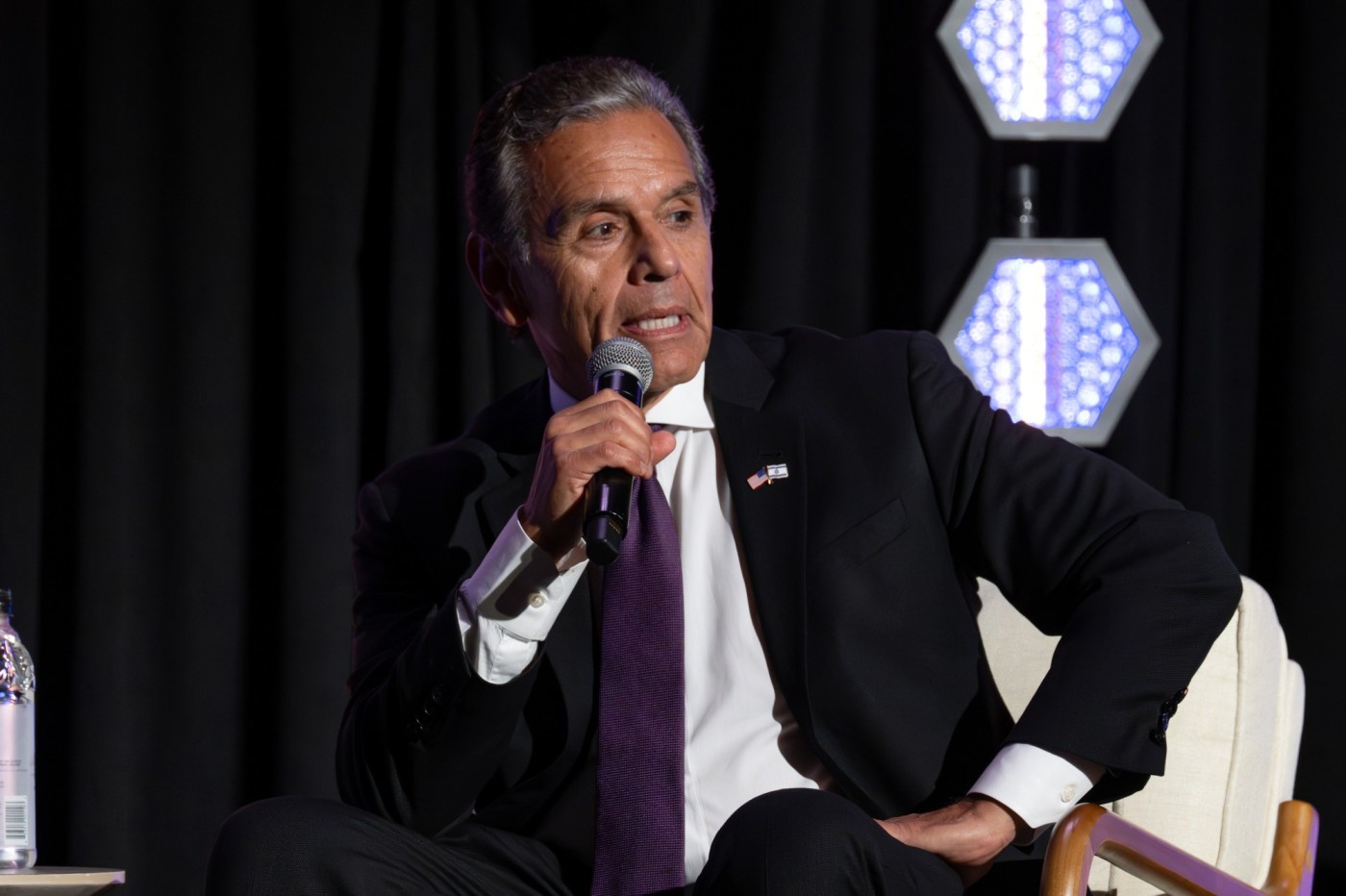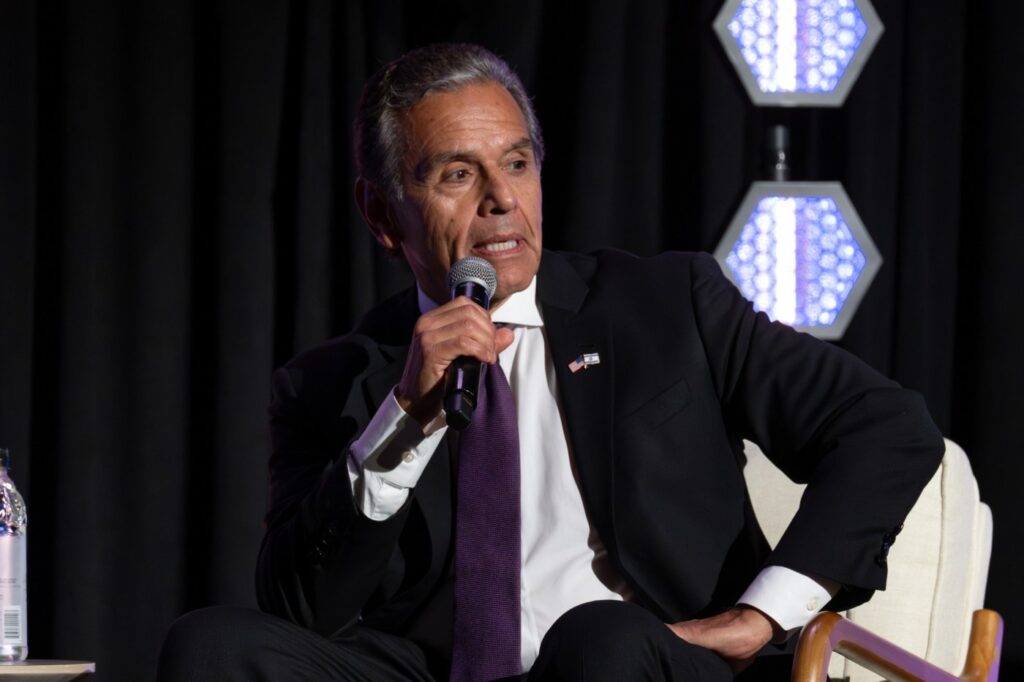
Former Los Angeles Mayor Antonio Villaraigosa is making a bid to return to California politics, but recent interviews reveal a candidate grappling with the complexities of modern political discourse. In a candid Zoom conversation last weekend, Villaraigosa, 72, displayed both charm and confusion, offering a mix of policy discussions and personal anecdotes that highlight the challenges he faces in a new political landscape.
During the interview, Villaraigosa addressed pressing issues such as zoning changes and initiatives for first-time homebuyers. His comments, however, were often interrupted by light-hearted moments, including a humorous exchange about a piece of food stuck on his lip. These interactions, while endearing, also raised questions about his readiness for the rigors of political campaigning.
Villaraigosa’s discourse frequently shifted between topics, reflecting a stream-of-consciousness style that could be interpreted as indicative of his age. When asked about his plans for California, he touched on various issues including environmental policy, housing affordability, public safety, and education. His remarks, however, lacked the concrete strategies that many voters seek, especially in a state facing significant challenges.
He underscored the need to build more housing rather than implement rent control measures. “We have to cut red tape and eliminate pointless regulations,” Villaraigosa stated. His opposition to raising taxes, particularly against fellow Democrat Tom Steyer’s proposed property tax increases, aligns with a broader appeal to fiscal conservatism. Yet, Villaraigosa struggled to provide a clear vision for balancing the state budget without resorting to cuts in essential services.
When pressed on how he would achieve fiscal stability without tax increases, he suggested forming a team of budget experts to evaluate spending. “You’re going to put budget experts together, look at everything,” he said. However, given that California’s budget heavily prioritizes education, healthcare, and social services, his reluctance to cut spending in these areas presents a significant challenge.
Villaraigosa’s strategy appears to revolve around economic growth rather than budget cuts. “We’re not just going to cut our way out of this,” he stated, emphasizing the need to support small and medium-sized businesses. This approach raises concerns, as previous reliance on revenue growth from income taxes has contributed to the current budget deficit.
The former mayor also reflected on his past confrontations with public employee unions, particularly during his tenure in office. He noted improvements in graduation rates during his administration but did not provide a thorough analysis of the influence these unions have on California’s political landscape. While he expressed a desire to collaborate with teachers, his comments lacked acknowledgment of the complexities surrounding special interest groups in politics.
As Villaraigosa navigates his campaign, questions about his viability continue to arise. Recent polls indicate he is garnering only about 3% to 5% support. In response, he asserted that other polls reflect a higher standing at 7%, claiming that many of his potential supporters do not participate in online surveys. “A lot of them are in English,” he remarked, indicating a disconnect between traditional polling methods and his voter base.
With a significant portion of voters still undecided, Villaraigosa faces an uphill battle in solidifying his position. He represents a mix of experience and nostalgia that may resonate with some voters but raises doubts about his ability to connect with a changing electorate. As the California Democratic Party Chair Rusty Hicks recently suggested, candidates without a clear path to victory should reconsider their campaigns.
In a political landscape increasingly demanding innovative solutions and detailed plans, Villaraigosa’s candidacy highlights both the challenges and opportunities inherent in returning to public office. His blend of personal anecdotes and political ambitions may appeal to some, but the absence of clear policy proposals could hinder his quest for relevance in an evolving political climate.