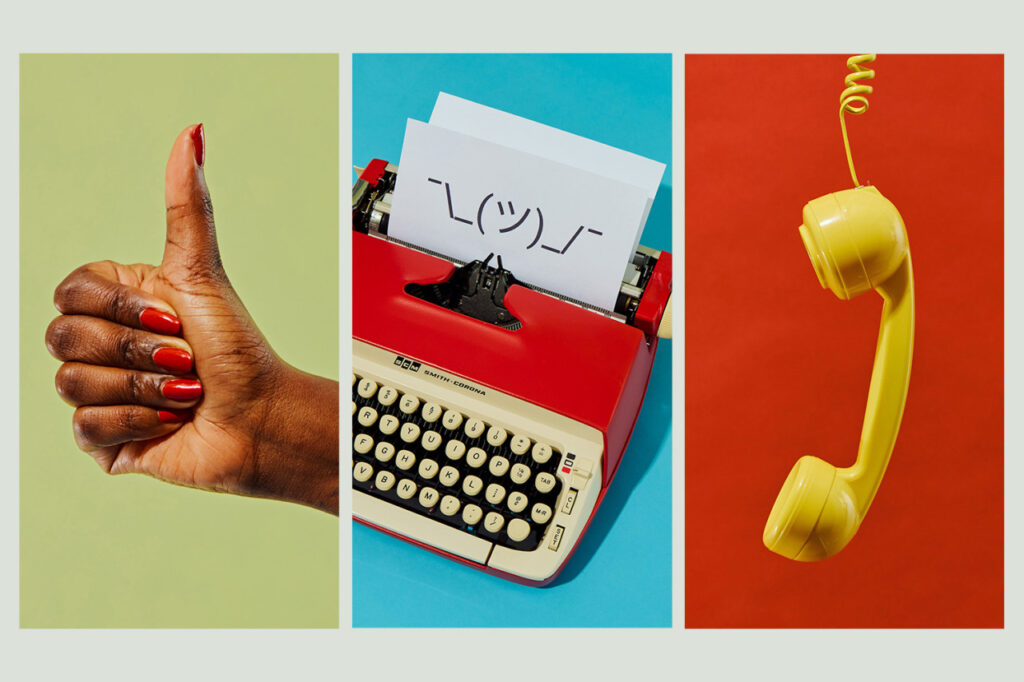
A recent workplace etiquette quiz generated significant discussion among readers, revealing differing opinions on what constitutes good manners in modern professional environments. The quiz, which was designed to gauge understanding of workplace behaviors, left many participants pondering their responses and the implications of etiquette in today’s fast-paced world.
The reactions highlighted a growing awareness of the complexities surrounding workplace interactions. Many individuals expressed their surprise at how challenging the quiz was, indicating that even established professionals are grappling with the nuances of proper conduct. This response reflects a broader trend where traditional norms of etiquette are being reassessed in light of contemporary workplace dynamics.
Readers Share Insights on Etiquette
In the wake of the quiz, readers—many of whom identified as overachievers—began sharing their own tips for navigating workplace etiquette. These contributions ranged from practical advice to personal anecdotes, emphasizing the importance of adaptability and understanding in professional settings.
One common theme among the suggestions was the necessity of clear communication. Many respondents stressed that being open and approachable can significantly enhance workplace relationships. Additionally, several participants noted the value of active listening, suggesting that taking the time to truly understand colleagues can lead to a more harmonious work environment.
Another notable point of discussion was the role of technology in shaping workplace etiquette. As remote work becomes increasingly prevalent, individuals are finding new challenges in maintaining appropriate professional boundaries. Tips on managing virtual interactions, such as using appropriate language in emails and being mindful of tone during video calls, emerged as crucial topics.
The Evolving Nature of Workplace Manners
The quiz and the ensuing discussions underscore how workplace manners are evolving. Traditional norms, such as formal greetings and dress codes, are giving way to more relaxed and flexible approaches that reflect diverse work cultures. With global teams becoming more common, understanding cultural differences in etiquette is increasingly important.
According to experts in workplace dynamics, adaptability is key. Dr. Sarah Thompson, a noted organizational psychologist, states, “As workplaces become more diverse, it’s essential to understand that etiquette can vary widely across cultures. Being aware and respectful of these differences can improve collaboration and productivity.”
As these discussions continue, it is clear that workplace etiquette remains a vital aspect of professional life. The quiz has not only sparked debate but has also encouraged individuals to reflect on their own practices, fostering a culture of continuous improvement in manners and communication.
In summary, the workplace etiquette quiz has opened a valuable dialogue among readers, prompting them to reconsider their approaches to professional interactions. The insights shared reflect a collective effort to enhance understanding and cooperation within increasingly diverse work environments.