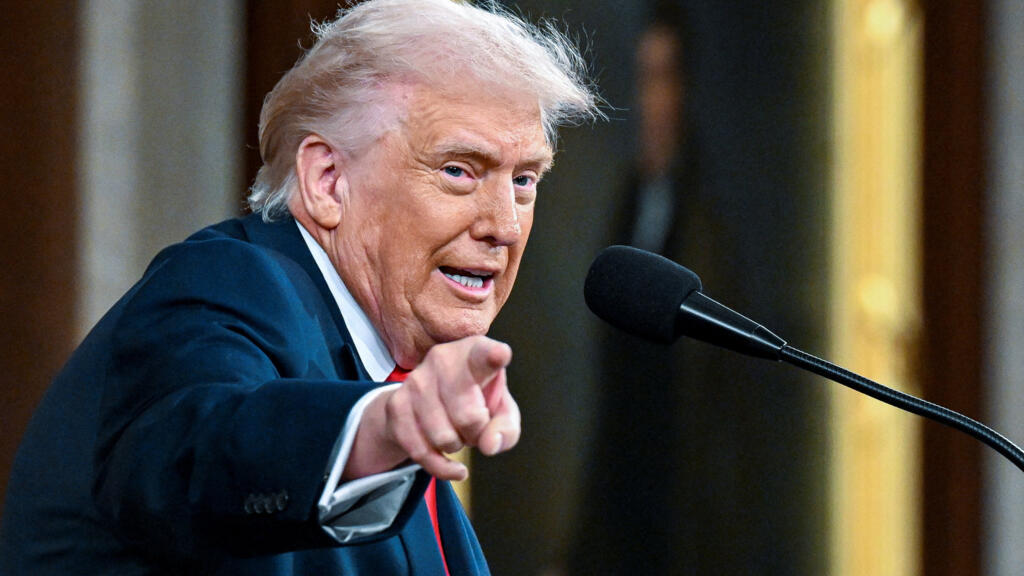
The 2026 State of the Union Address, delivered by President Donald Trump on January 30, marked a historic moment as the longest in U.S. history. The address came during the president’s second term, showcasing a sharply divided Congress that was both tense and animated. Millions of viewers watched as critical moments unfolded, highlighting the ongoing partisan rifts in American politics.
Highs and Lows of the Address
Trump’s address was punctuated by moments of both applause and discontent. As he outlined his administration’s achievements, many members of the Republican Party stood in support, while Democrats frequently expressed their dissent through heckles. This back-and-forth created an electric atmosphere that underscored the divisions within Congress.
One of the most striking moments occurred when Trump addressed economic growth statistics. He reported that under his leadership, unemployment had dropped to 3.5%, a figure that elicited both cheers from his supporters and jeers from the opposition. The president emphasized the importance of his policies in fostering job creation and economic stability, further igniting the partisan tensions in the chamber.
Contentious Exchanges
Another notable instance came when Trump spoke about immigration reform. His remarks prompted loud protests from Democratic representatives, leading to a heated exchange that momentarily disrupted the address. The president’s insistence on building a border wall drew significant criticism, showcasing the ongoing debate over immigration policy in the United States.
The night was not without its lighter moments, as Trump made several attempts at humor. These quips occasionally lightened the mood, resulting in mixed reactions from the audience. While some laughed, others remained stoic, reflecting the fractured political landscape.
The address concluded with Trump reiterating his commitment to unity, a stark contrast to the atmosphere within the chamber. As he left the podium, members of the audience responded with a mixture of applause and boos, further illustrating the divide that characterizes contemporary American politics.
Overall, the 2026 State of the Union Address served as a microcosm of the current state of affairs in the United States. It highlighted the challenges of governance amid stark ideological divides and underscored the unpredictability of political discourse in the country.