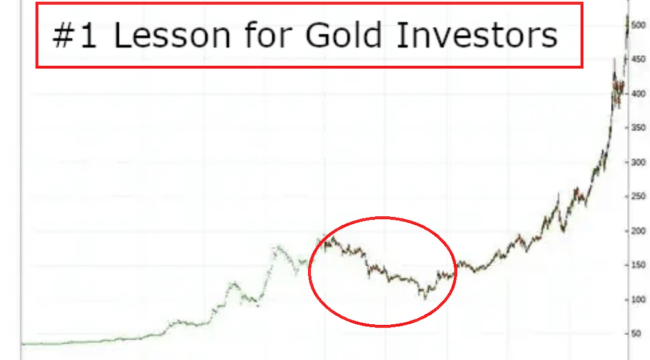
The mid-1970s marked a significant turning point for the gold market, with prices experiencing a dramatic decline. From a peak of approximately $200 per ounce in early 1975, gold plummeted to around $100 per ounce by late 1976, representing a staggering drop of nearly 50%. This period, referred to by some as the “Great Gold Bust,” serves as a critical case study for investors today.
Market Context and Causes
To understand this market downturn, it is essential to consider the broader economic landscape of the time. The United States, having led a movement to de-monetize gold, played a pivotal role in this shift. According to a Time Magazine article from August 2, 1976, the U.S. successfully persuaded other nations, including France, to auction off a significant portion of the International Monetary Fund’s gold reserves, amounting to 25 million ounces. This move flooded the market with gold, resulting in a sharp decline in prices.
The article further noted that the economic conditions that had previously fueled a gold boom—such as rampant inflation and a declining U.S. dollar—were dissipating. By 1976, the dollar had stabilized, and inflation rates had decreased, leading to a growing confidence in paper currency. Many investors, influenced by the media’s portrayal of these changes, exited the gold market at precisely the wrong moment.
Lessons from the Past
The 1970s were characterized by three distinct waves of inflation, with each wave progressively larger than the last. While gold prices fell to around $100 per ounce during the mid-1970s, they ultimately surged to over $850 per ounce by 1980. This substantial increase was driven by ongoing economic instability and the eventual rise in inflation rates, which would catch many investors off guard.
Today, parallels can be drawn between the market dynamics of the 1970s and current economic conditions. With global debt levels rising and inflation concerns resurfacing, many investors are once again turning to precious metals as a safe haven. The current environment mirrors the uncertainty that preceded the gold rallies of the 1970s, raising questions about how long this trend may continue.
Despite the volatility, the fundamental factors driving demand for gold remain robust. While it is unlikely that gold will experience a drop as steep as the 48% decline witnessed in the mid-1970s, market corrections are expected. Investors must remain vigilant and patient, as the underlying forces supporting this bull market—such as ongoing economic challenges and increased demand for gold—are unlikely to dissipate in the near future.
As history has shown, those who navigated the tumultuous waters of the gold market during the 1970s either capitalized on the volatility or missed significant gains. The importance of timing in trading cannot be overstated, and the lessons learned from past market cycles are invaluable for today’s investors. The journey of gold from a low of $100 to its eventual peak illustrates the potential for substantial returns, even amidst apparent chaos.
In conclusion, while the Great Gold Bust of 1976 serves as a cautionary tale, it also highlights the resilience of precious metals as a long-term investment. Investors who maintain a strategic outlook and remain committed to their positions may find themselves well-positioned for future growth in the gold market, particularly as economic pressures mount globally. The past may offer insights, but the future of gold remains ripe with potential.