The renowned journalist Bill Moyers passed away in June 2023 at the age of 91, leaving behind a profound legacy in the realm of public broadcasting. His career spanned decades, during which he held pivotal roles, including serving as press secretary for President Lyndon Johnson and co-founding the Peace Corps. Moyers was a staunch advocate for independent media and public television, earning numerous awards for his contributions to journalism.
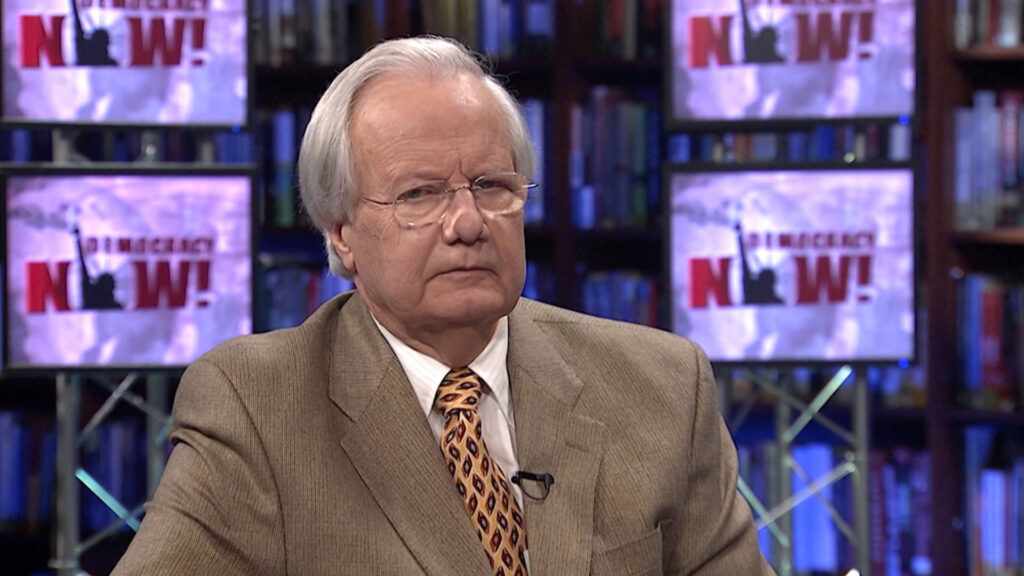
Moyers’ commitment to public broadcasting is highlighted in his extensive body of work, including interviews where he addressed the challenges facing media today. In a notable conversation with Democracy Now! in 2011, he expressed deep concern over the influence of money in corporate media, stating, “The power of money trumps the power of democracy today, and I’m very worried about it.” His insight continues to resonate as discussions around media integrity and independence remain relevant.
Championing Public Television
Throughout his career, Moyers emphasized the importance of public television as a counterbalance to corporate interests. He believed that public broadcasting plays a crucial role in fostering informed citizenry and promoting democratic values. His work often highlighted stories and voices that might otherwise be marginalized in mainstream media, advocating for a media landscape that serves the public good.
Moyers was instrumental in shaping the public broadcasting landscape in the United States. His programs, which included Bill Moyers Journal and NOW on PBS, tackled critical social and political issues, often featuring in-depth interviews with influential figures and activists. Through these platforms, he provided audiences with thoughtful analysis and diverse perspectives, reinforcing the need for independent voices in journalism.
The Ongoing Struggle Against Corporate Influence
In his later years, Moyers remained an outspoken critic of corporate media’s role in shaping public discourse. He frequently addressed the financial pressures that media organizations face, which can compromise journalistic integrity. His remarks shed light on the growing concern that corporate interests can overshadow the needs of the public, particularly in an era dominated by rapid technological advancements and consolidation in media ownership.
Moyers’ reflections on the media landscape serve as a reminder of the ongoing challenges that public broadcasting faces. As funding for public media fluctuates, the need for strong advocacy and support for independent journalism becomes ever more pressing. His legacy continues to inspire a new generation of journalists and advocates to champion the principles of transparency, accountability, and public service.
Bill Moyers’ dedication to journalism and public broadcasting will not be forgotten. His insights into the interplay between money and media remain crucial as society grapples with the complexities of information in the modern age. The impact of his work resonates deeply, urging ongoing conversations about the future of public broadcasting and the necessity of safeguarding democracy through independent media.