The Parma Area Historical Society is gearing up for a significant role in the city’s 2026 bicentennial celebration. The society plans a series of engaging activities that will educate residents about Parma’s rich history, as well as events that align with the national America250 celebration. According to historian and curator Patricia Nickols, who has lived in Parma since 1989, the programming will focus on historical education and community engagement.
Among the planned activities is a tour of the Parma Heights Cemetery on June 5, 2026. This location holds historical significance, as Parma Heights was originally part of Parma until 1911. Nickols noted that many of the early settlers chose to build their homes along Pearl Road, which served as a critical stagecoach route.
The celebration will also feature a range of events, including a movie night showcasing local actors, a Fourth of July picnic, a lantern tour of Stearns Homestead, and a World War II-themed event. Nickols expressed a desire to help residents learn about preserving family heirlooms and understanding their own genealogies. Parma’s first settlers arrived in 1816, a pivotal year in the city’s development.
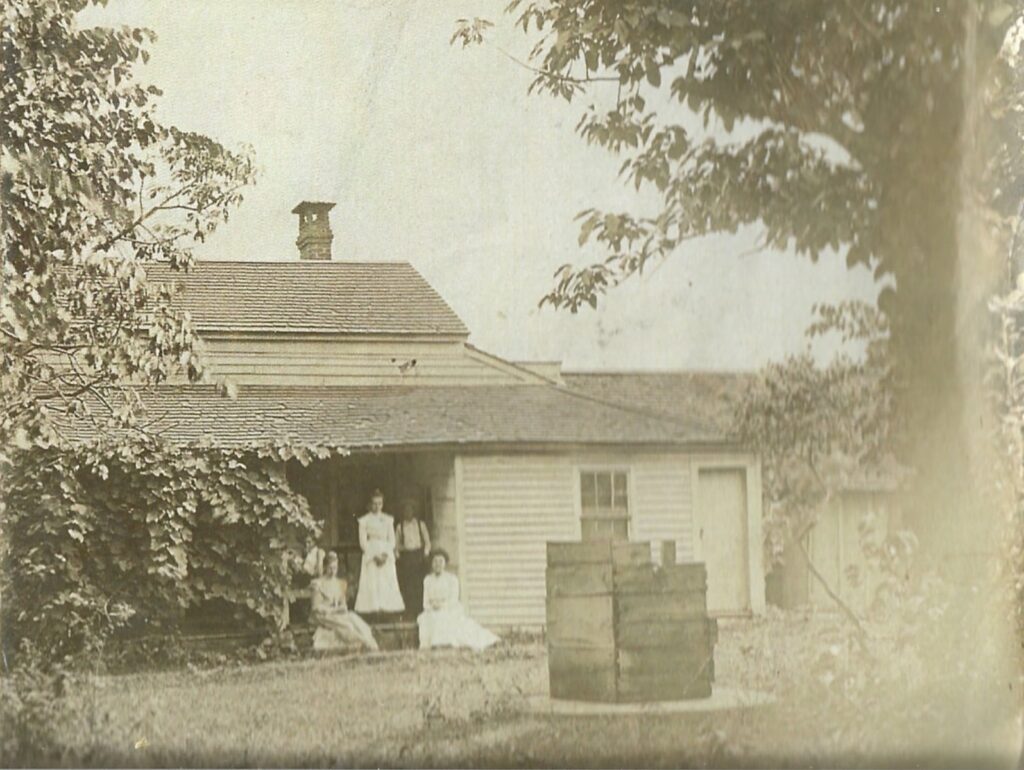
Reflecting on 1826, notable events included the passing of former Presidents Thomas Jefferson and John Adams, as well as the establishment of the patent for the internal combustion engine. The story of Parma begins earlier, with Benajah and Ruth Fay arriving in Northeast Ohio with their ten children, having journeyed from Lewis County, New York. The Fays traveled alongside an ox-drawn cart, settling in the area around the intersection of Pearl and Ridge roads.
Upon their arrival, Benajah Fay took on multiple roles as an architect, engineer, farmer, and innkeeper. He constructed a double log cabin that served as B. Fay’s Inn, a stop for the stagecoach traveling between Cleveland and Cincinnati. Nickols characterized the Fays as enterprising pioneers who came prepared to build their community.
The spirit of those early settlers is echoed in the stories of later immigrants to Parma, including populations from Poland, Ukraine, Russia, and Hungary. Nickols highlighted the resilience of these groups, who also arrived seeking new opportunities and a fresh start.
The transformation of Parma into Ohio’s seventh-largest city occurred significantly after World War II, fueled by a housing and population boom. Despite the growth, the land that houses the Parma Area Historical Society remains unchanged. Stearns Homestead, the last working farm in the city, features structures like the Yankee-style barn built in 1850 and houses from the 1850s and 1920.
Nickols emphasized the historical importance of these sites, stating, “I don’t think people realize looking at Parma now that it was completely farmland and all agriculture.” She often conducts tours of the 1920s house on the homestead, delighting visitors with a large 1940s radio that many find astonishing.
With the bicentennial approaching, Nickols encourages residents to visit Stearns Homestead to explore the history that shaped Parma. “People can stop in, learn a little history, and look at how life used to be,” she said. The upcoming events promise not only to commemorate the city’s past but also to foster a sense of community and connection among its residents.