A recent survey by AARP highlights the growing issue of chronic loneliness among older gay men, revealing that many prefer to connect through social media. The findings raise important questions about the effectiveness of online platforms compared to traditional social engagement methods.
According to the 2018 AARP Loneliness and Social Connections Survey, LGBTQ+ males are significantly more prone to experiencing chronic loneliness than their heterosexual counterparts. The study indicates that many older gay men frequently socialize online rather than in person. Participants reported spending excessive time alone, which often led to unhealthy behaviors. In contrast, heterosexual individuals were more likely to engage in face-to-face interactions.
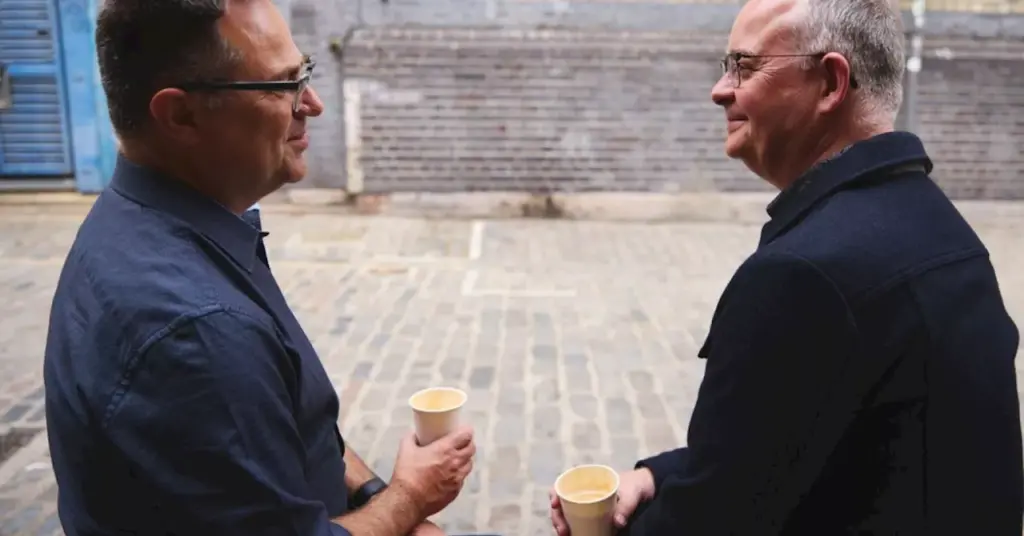
Understanding the distinction between social connection and social engagement is crucial. Social engagement involves participating in activities within a physical space, such as meeting friends for coffee. In contrast, social connection may occur through digital platforms, where individuals may interact without being physically present. Research has shown that social engagement can provide mental and physical benefits, such as reducing the risk of depression and improving overall health.
The issue of loneliness is becoming increasingly prevalent. A 2024 survey by the Gallup Panel found that nearly 20 percent of adults in the United States reported experiencing loneliness frequently, marking the highest level in two years. The survey underscores the urgent need for effective solutions to combat loneliness.
Social media platforms, particularly Facebook, have become valuable resources for older gay men seeking connection. Numerous groups cater specifically to this demographic, with memberships in the hundreds of thousands. For instance, the Facebook group “Gay Men Over 50” boasts approximately 156,000 members, while “Gay Men’s Life After 60” has around 48,000 members. These online communities provide a space for individuals to share experiences and foster connections, which can be particularly beneficial for those who may feel isolated.
The origins of social support networks for older gay men can be traced back to the 1980s when couples like Woody Baldwin and Sean O’Neil recognized the need for alternative social experiences beyond traditional gay bars. They established Prime Timers, a social organization for older gay men, which has since expanded internationally, with over 70 chapters across North America and independent members in various countries including Australia, Germany, and Spain.
As a member of the Greater New Orleans Chapter of Prime Timers, I have witnessed firsthand the benefits of such organizations. Celebrating our thirtieth anniversary recently, we reflected on the importance of fostering community among older gay men. Attending the International Prime Timer Convention in Omaha, Nebraska, this year was a rewarding experience, allowing members to reconnect and forge new friendships.
While social media offers a convenient avenue for communication, it raises questions about the long-term viability of in-person gatherings. As technology continues to evolve, it is essential to consider how these changes impact the social landscape for older gay men. The challenge remains: can traditional social groups maintain their relevance in a world increasingly dominated by online interactions?
Overall, the findings from the AARP survey and the experiences of organizations like Prime Timers underscore the importance of community and connection for older gay men. As loneliness continues to be a pressing concern, both online and physical spaces will play crucial roles in combating isolation.