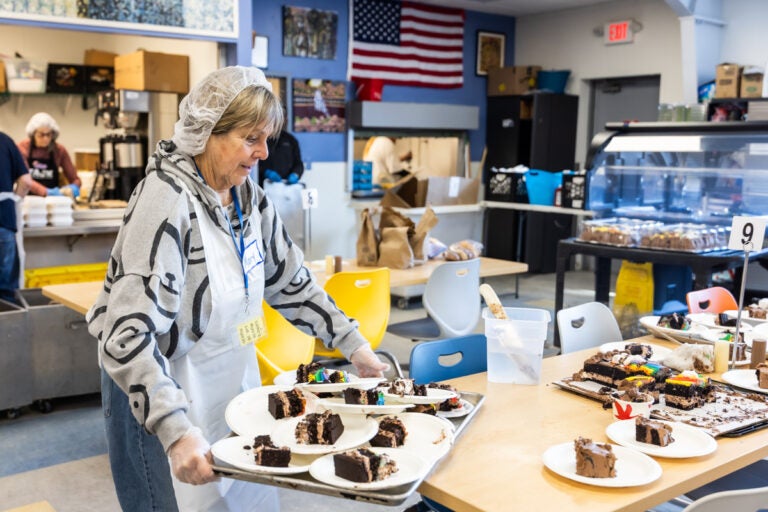
Across New Jersey, soup kitchens are witnessing a significant rise in patrons as economic pressures deepen. The increase in demand for food assistance has surged since the COVID-19 pandemic, with many organizations struggling to keep pace with this urgent need.
On a recent Thursday afternoon, Mercer County resident Sharon Horne visited the Trenton Area Soup Kitchen (TASK) for lunch. Enjoying a meal of meatballs, rice, and mixed vegetables, she shared her appreciation for the welcoming atmosphere. “They treat me like family, with respect, and I love them for that,” Horne stated. She emphasized that TASK is an open community resource, where everyone is treated equally regardless of their situation.
Amy Flynn, the CEO of TASK, noted that the kitchen has seen demand for food increase by approximately 30% annually since the pandemic began. Now, the organization prepares nearly 13,000 meals a week. “Over the last year, we served more meals than ever before, exceeding 675,000 meals in the last calendar year,” Flynn said. She highlighted a troubling rise in food insecurity, stating, “Hunger is everywhere, not just in Trenton.”
Recent reports indicate that more than 1 million residents in New Jersey are food insecure, including 270,000 children. The demand for assistance has been particularly acute during the holiday season. At Cathedral Kitchen in Camden, Anna Marchessault, the annual fund and marketing manager, noted a record number of guests served during a government shutdown last November. “Our highest daily total exceeded 800 individuals, more than double our pre-pandemic average,” she stated.
The increase in demand is expected to continue as changes to the Supplemental Nutrition Assistance Program (SNAP) and Medicaid are implemented, potentially affecting millions of Americans. Reports indicate that many families are seeking assistance together, highlighting the interconnected nature of food insecurity.
Other soup kitchens, such as St. John’s Soup Kitchen in Newark, have also reported similar trends, with a over 30% rise in demand in recent years. Flynn reassured that TASK is committed to helping those in need, stating, “If you’re hungry, come in. Our doors are open to anyone.”
TASK operates Monday through Thursday for lunch and dinner, with lunch service only on Fridays and Saturdays. Additionally, the kitchen provides bagged meals for those unable to dine in. Flynn described their food truck initiative, which brings meals directly to the community, further expanding their reach.
Volunteer Roxy White, who monitors the dining room, mentioned the variety of meals served each day. “We prepare chicken, beef, or fish, alongside a full salad bar and various beans and fruits,” she said. “We also offer art, music, and computer classes, feeding the mind, body, and soul.”
TASK offers a comprehensive culinary training program as well. Adam Livow, the director of culinary operations, oversees a 10-week program designed to equip participants with essential cooking and workplace skills. Successful graduates, like Shantell Bacon-Jones, who completed the program three years ago, now contribute to the TASK kitchen, where she creates unique salad dressings and dishes. “Cooking is my passion, cooking is my life,” she expressed.
To combat food insecurity among students, New Jersey’s county colleges have initiated a statewide fundraising effort through Spotfund, aiming to support food pantries at the state’s 18 community colleges.
Flynn underscored the importance of community support for organizations like TASK. “We are meeting a basic human need, ensuring that everyone knows they are welcome,” she stated. TASK operates without government funding and relies on donations to serve its growing clientele. “While canned goods are appreciated, financial support allows us to provide consistent meals to everyone,” she explained.
Flynn reiterated TASK’s mission to help lift individuals out of poverty through various programs and employment services. “Volunteers are always needed, and we encourage people to visit our website to find out how they can help,” she concluded.
As soup kitchens throughout New Jersey adapt to the rising demand, their commitment to serving the community remains steadfast, providing not only nourishment but also hope and support to those in need.