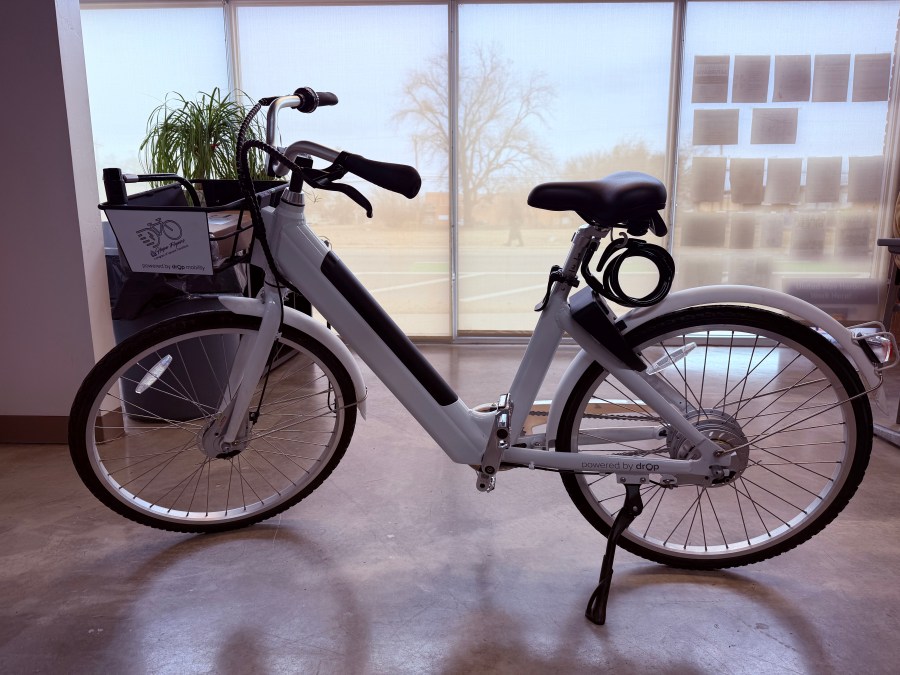
A new initiative in Oklahoma City aims to improve transportation access for residents facing financial barriers. A local non-profit organization has launched a program designed to alleviate the challenges of transportation poverty, which often leaves individuals reliant on costly ride-sharing services or lengthy commutes using public transport.
Transportation poverty is a significant issue in many urban areas, including Oklahoma City. For many residents, the high cost of services like Uber can make it difficult to reach employment opportunities. This new program seeks to bridge that gap, providing affordable transportation options for those in need.
Community members have already begun to benefit from the program, which offers rides at a reduced cost. For instance, one participant noted he previously spent up to $100 a week on Uber rides just to commute to work. With this initiative, he now has access to more affordable travel, allowing him to save money and increase his disposable income.
Expanding Access and Opportunities
The local non-profit organization, which focuses on enhancing mobility options, has partnered with local businesses and transport providers to facilitate this program. By working together, they aim to create a sustainable transportation model that serves the needs of low-income residents.
In the first month alone, the program has already reported a significant increase in ridership. Over 200 residents have utilized the service, reflecting the urgent need for affordable transportation solutions in the area. The initiative not only helps individuals reach their jobs but also supports local businesses by increasing foot traffic.
In addition to providing rides, the program includes educational workshops focused on financial literacy and job readiness. This comprehensive approach aims to empower participants by equipping them with the tools necessary to improve their economic situations.
A Community Effort
Local leaders have praised the program as a vital step towards addressing transportation poverty. City officials have expressed support for initiatives that seek to enhance mobility, recognizing that access to reliable transportation is fundamental to economic stability and growth.
As the program progresses, the non-profit organization plans to gather feedback from participants and make necessary adjustments to ensure it effectively meets the community’s needs. The ultimate goal is to create a model that can be replicated in other cities facing similar challenges.
This initiative highlights the importance of community support and collaboration in solving complex social issues. By addressing transportation barriers, Oklahoma City is taking proactive steps to foster a more inclusive environment for all its residents.
As the program continues to evolve, it remains focused on one key mission: ensuring that everyone in the community has the ability to travel affordably and efficiently, ultimately improving their quality of life.