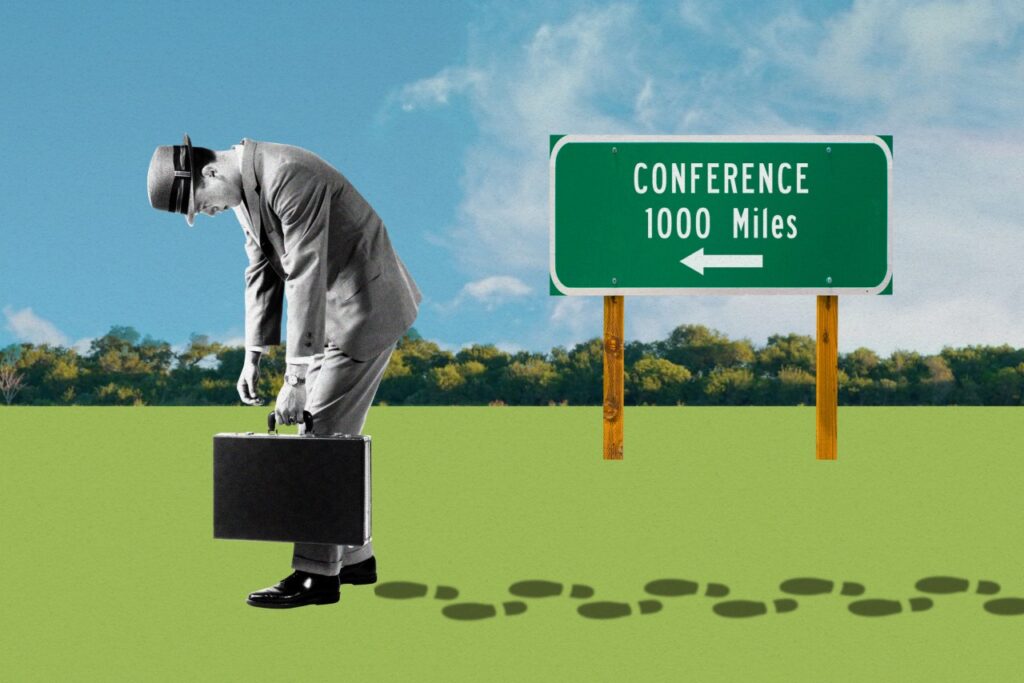
Workers are increasingly adopting a trend known as “travelscrimping,” where they prioritize budget-friendly travel options amid shifting workplace dynamics. This movement reflects broader changes in corporate culture as companies reassess their hiring practices following the pandemic.
As many organizations continue to adjust to a post-pandemic environment, employees are finding ways to balance their professional responsibilities with personal leisure. According to a recent survey conducted by the workforce research firm, WorkTrend, nearly 60% of employees reported that they are now more conscious of travel expenses. This shift signals a significant change in how workers approach their time off and the benefits they seek from their employers.
Reevaluating Employee Benefits
Corporate strategies are evolving, with firms reconsidering the hiring surges seen during the height of the pandemic. Many companies, including well-known tech giants, are now implementing hiring freezes or even downsizing their workforce. The fluctuating job market and economic uncertainty have led organizations to tighten their budgets, impacting employee benefits and travel allowances.
The concept of travelscrimping has emerged as a direct response to these changes. Employees are looking for more affordable ways to travel, focusing on local and shorter trips rather than expensive, long-distance vacations. This trend is also reflected in a growing preference for remote work arrangements.
Statistics from the Bureau of Labor Statistics indicate that, as of September 2023, remote job listings have decreased by approximately 25% compared to the previous year. This reduction highlights the challenges many workers face as they navigate a changing employment landscape.
Self-Promotion and Its Importance
In light of these challenges, employees are encouraged to promote their skills and achievements more actively, which can enhance their value in a competitive job market. Self-promotion enables workers to stand out and adapt to the evolving corporate environment. Organizations that support and foster a culture of recognition might retain talent better in these uncertain times.
Companies that previously expanded their teams during the pandemic are now exploring new strategies to retain employees while managing costs effectively. For instance, firms are investing in employee training programs and career development initiatives to improve job satisfaction and retention rates.
In summary, the trend of travelscrimping illustrates a significant shift in employee priorities as they navigate a post-pandemic work environment. As companies reassess their hiring practices and benefit structures, workers are adapting by seeking more budget-friendly travel options and enhancing their self-promotion strategies. This dynamic landscape underscores the importance of flexibility and adaptation in the modern workforce.