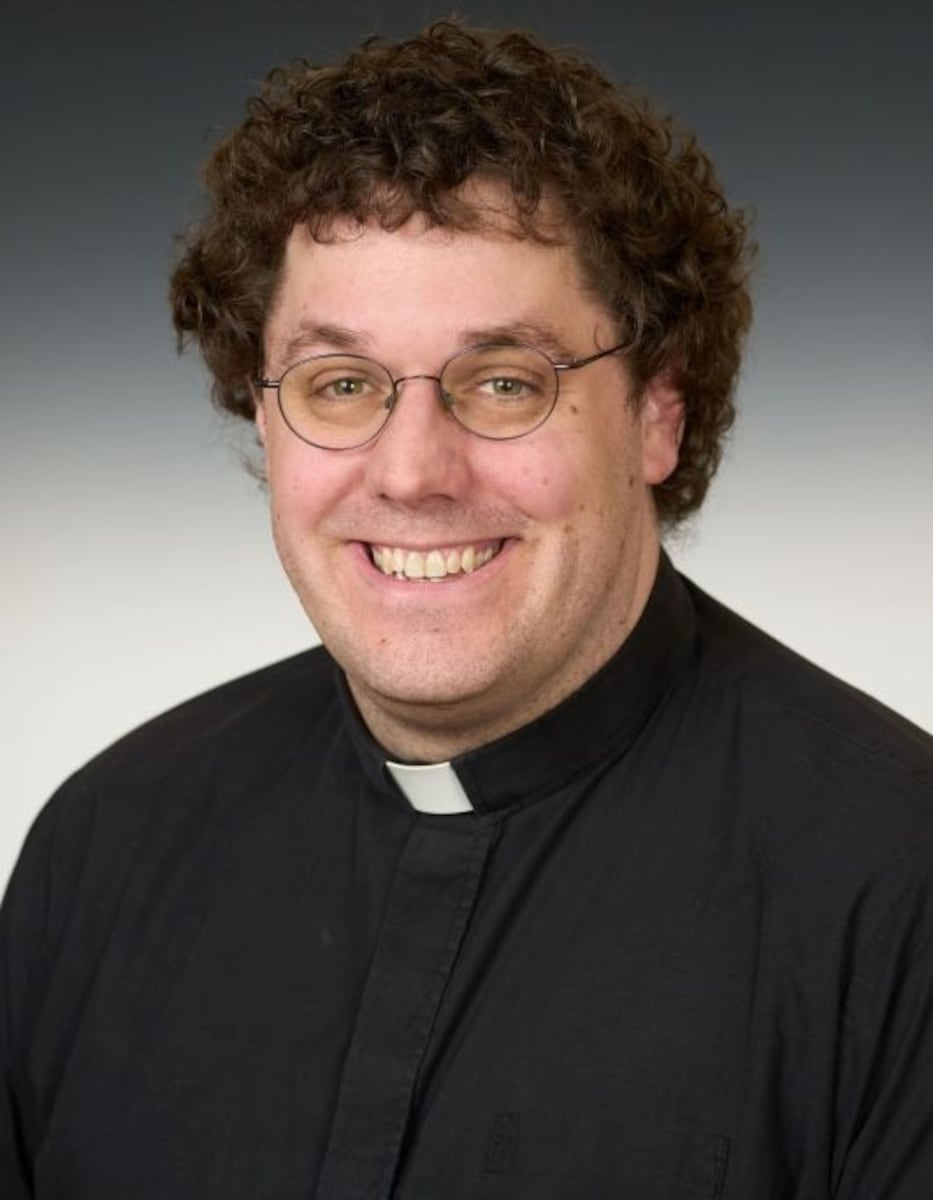
A feature coordinated by The Post-Standard, Syracuse.com, and InterFaith Works of CNY explores the profound theme of loving one’s enemies, a principle rooted in various religious traditions. The Rev. Tim Hannon, a priest and rector at Christ Episcopal Church in Manlius, New York, reflects on the complexities of this teaching.
In many cultures, the idea of loving one’s enemies may seem far-fetched, even absurd. The notion often conjures images of unrealistic expectations in human relationships, where animosity and resentment exist. Rev. Hannon argues that before attempting to love those who oppose us, we must first cultivate a belief in the possibility of peace.
“Our minds can determine what is possible,” Hannon states, emphasizing that adopting a mindset conducive to peace is essential. Believing in the potential for harmony is a crucial first step, often more challenging than the act of loving itself.
Consider the everyday struggles we face. Whether striving for a healthy lifestyle or mastering a new skill, our beliefs play a significant role in our success. If someone doubts their ability to achieve a goal, they are unlikely to try. In contrast, if they maintain a belief in their potential, the chances of success increase significantly.
Similarly, when it comes to interpersonal conflicts, one might not immediately feel capable of loving an enemy. Yet, holding onto the belief that such love is possible can create a path toward reconciliation. As Rev. Hannon articulates, it is preferable to inhabit a world where peace can be achieved rather than one dominated by hatred and division.
The challenge lies in shifting our perspectives. Instead of viewing enemies as obstacles, we can try to see them as opportunities for understanding and growth. This shift in thinking can open doors to dialogue and foster an environment where peace is prioritized.
In conclusion, the journey toward loving one’s enemies may be daunting, but it begins with a simple yet profound belief in the power of peace. As individuals reflect on their personal relationships and broader societal conflicts, embracing this belief could lead to transformative changes, both personally and collectively.
This feature is part of an ongoing dialogue led by InterFaith Works, encouraging communities in Central New York to engage with complex themes of faith, conflict, and the human experience.