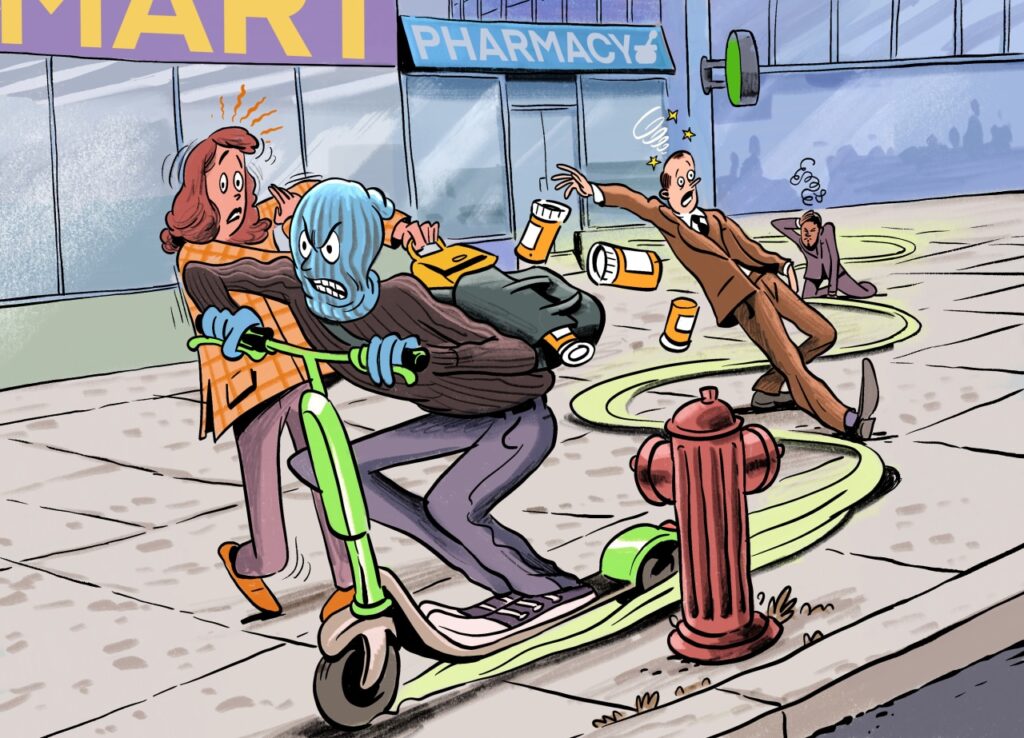
A recent study has revealed a concerning trend in Chicago, where the introduction of rental e-scooters has coincided with a nearly 18% increase in crime rates in several neighborhoods. This finding raises questions about the impact of e-scooter access on urban safety and crime dynamics.
The study, conducted by researchers at the University of Chicago, examined crime statistics before and after e-scooter rentals were made available in various parts of the city. It found that certain areas experienced a significant uptick in incidents, particularly in neighborhoods where e-scooters were readily accessible. The analysis indicated that the rise in crime could be attributed to the ease of mobility that e-scooters provide, allowing individuals to quickly escape the scene of a crime.
Implications for Urban Mobility and Safety
As cities increasingly adopt e-scooter programs to promote alternative transportation, this study serves as a critical reminder of the complexities involved in urban mobility. While e-scooters offer convenience and can reduce traffic congestion, their role in facilitating criminal activity cannot be overlooked. The data suggests that municipalities may need to reassess how they implement and regulate e-scooter services to mitigate potential risks.
Community leaders in Chicago are expressing concern over the findings. Maria Garcia, a local city council member, noted, “We need to strike a balance between promoting innovative transportation options and ensuring the safety of our residents. This study highlights the need for a comprehensive approach to urban planning that considers all potential consequences.”
Furthermore, the study’s results have prompted discussions among law enforcement agencies about adapting their strategies in response to new forms of mobility. With the rise of e-scooters, police departments may need to enhance their patrols in areas where these vehicles are prevalent, as they could serve as tools for quick getaways.
Future Considerations for E-Scooter Programs
The implications of this study extend beyond Chicago, as cities worldwide explore similar transportation solutions. As urban environments continue to evolve, policymakers must consider the broader impacts of emerging technologies on public safety.
In light of this research, cities may explore implementing stricter regulations on e-scooter usage, such as designated parking areas and speed limits. Additionally, collaboration with technology companies could lead to the development of features that enhance safety, such as tracking systems that monitor scooter movements in real-time.
As cities navigate the challenges posed by e-scooters, it is essential to engage in community dialogues to address safety concerns while promoting the benefits of sustainable transportation options. The findings from Chicago underscore the importance of developing an integrated approach that prioritizes both innovation and public safety.