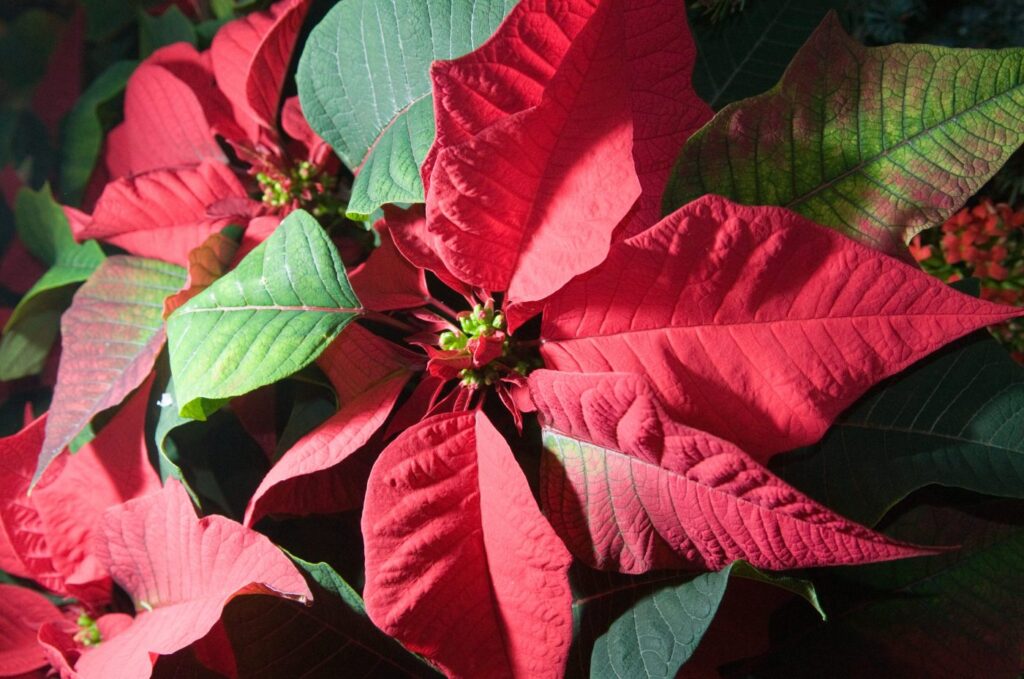
The holiday season is a time for festive decorations, and many people turn to poinsettias as a classic choice. Aliya Johnson from Grayslake seeks advice on selecting and caring for these vibrant plants. Understanding how to choose healthy poinsettias and provide proper care can enhance their longevity and beauty throughout the season.
Choosing Healthy Poinsettias
When selecting a poinsettia, the visual appeal is paramount. Traditional red poinsettias remain popular, while new cultivars offer a variety of colors, including pink, white, yellow, and multicolored options. It’s essential to choose plants that exhibit dark green foliage extending all the way down to the top of the pot. Avoid any plants with fallen or yellowed leaves, as these may indicate poor health. Ideally, the pot’s top should not be visible, and pale green leaves might suggest insufficient fertilization.
Inspect the lower portion of the plant for any yellow or damaged leaves, which often result from overcrowding during growth or display. It’s critical to steer clear of wilted plants, as this wilting could signify root rot if the soil remains moist. Additionally, check for insects hiding under the leaves. To assess maturity, observe the flowers above the colored bracts. Fresh-looking flowers, whether green or red-tipped, indicate that the plant will maintain its color longer compared to those covered in yellow pollen.
Transport and Care Guidelines
When bringing home a poinsettia, protection during transport is crucial, especially if temperatures dip below 60 degrees Fahrenheit. Even brief exposure to cold can cause the leaves to droop and fall off. A protective sleeve can prevent damage during transit. After purchasing, take the plants straight home and avoid leaving them in a cold vehicle while running errands. Once inside, promptly remove any covering, as prolonged contact can harm the plants.
Poinsettias thrive in bright, indirect sunlight and are sensitive to temperature extremes. Keep them away from cold drafts, heat vents, and cold windows. A consistent daytime temperature of approximately 65 degrees Fahrenheit can help prolong the vibrant display of bracts. Water the plants thoroughly when the soil feels dry to the touch, ensuring that they never sit in water. For those with decorative pots lacking drainage holes, remove the pot before watering to prevent excess moisture buildup.
During the holiday season, there is no need to fertilize poinsettias. It’s important to note that the white, milky sap in poinsettias is mildly toxic to pets, potentially causing nausea or vomiting if consumed in large amounts. Fortunately, serious poisoning is unlikely, as the sap has an unpleasant taste that deters most animals. However, some individuals may experience mild skin irritation from contact with the sap.
For those seeking further plant care advice, Tim Johnson, senior director of horticulture at the Chicago Botanic Garden, recommends reaching out to their Plant Information Service at [email protected]. With the right selection and care, poinsettias can brighten homes throughout the holiday season and beyond.