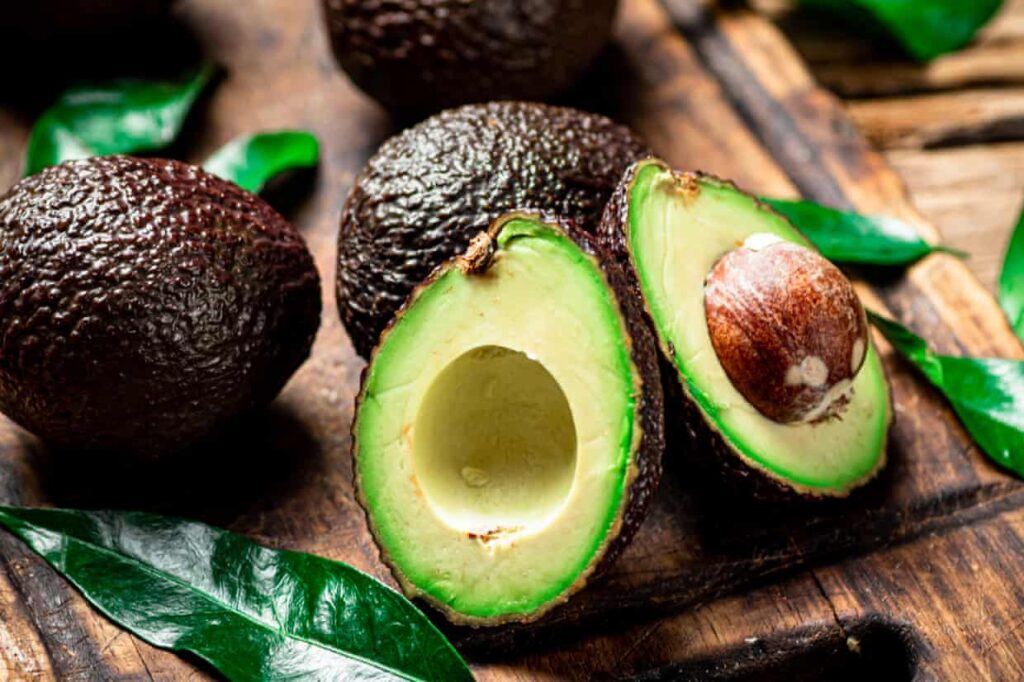
The popularity of avocados in the United States has surged dramatically over the past few decades, particularly as the Super Bowl approaches. In 1990, the nation imported just 38 million pounds of avocados, but by 2023, that figure skyrocketed to 2.789 billion pounds, primarily sourced from Mexico. This year, Americans are expected to consume nearly 280 million pounds of avocados in preparation for the Super Bowl, marking a historical record for this beloved fruit.
Avocados have become a staple in American diets, appearing in dishes like guacamole, avocado toast, and California rolls. While their creamy texture is a major draw, many consumers also associate avocados with health benefits. This article explores the nutritional profile of avocados and their potential implications for health and the environment.
Nutritional Benefits of Avocados
One medium Hass avocado contains approximately 320 calories and 30 grams of heart-healthy monounsaturated fats. A standard serving size is about 50 grams, or one-third of a medium fruit, but many can incorporate an entire avocado into their diet depending on individual calorie needs. For instance, a person consuming 2,000 calories daily typically requires between 44 and 78 grams of total fat.
According to registered dietitian Dalina Soto, monounsaturated fats not only help lower cholesterol, reducing the risk of heart disease, but also aid in the absorption of fat-soluble vitamins found in avocados, such as vitamins A, D, and folate. Moreover, avocados are a significant source of dietary fiber, providing about 14 grams per fruit, which fulfills roughly half of the daily fiber requirement.
“Avocados contain both soluble and insoluble fiber,” Soto explains. “Soluble fiber supports gut bacteria and regulates blood sugar, while insoluble fiber promotes regular digestion.” These components contribute to avocados’ status as a nutritional powerhouse.
In addition to fiber, avocados are rich in vitamin E, an antioxidant that supports immune function and skin health. They also contain lutein, a carotenoid that could help reduce the risk of age-related eye conditions, according to research from Tufts University. This study also noted that daily avocado consumption is linked to improved memory and attention in older adults.
Avocados and Weight Management
Research suggests that avocados may aid in weight management. A 2021 study published by Dr. Lorena Pacheco from the Harvard TH Chan School of Public Health indicated that families consuming more avocados—an average of 14 avocados per week compared to three—reported improved diet quality and lower overall calorie intake over a six-month period. “The families that ate more avocados seemed to shift towards a healthier overall eating pattern,” Pacheco stated.
Despite the positive dietary changes, participants did not experience significant weight loss. Pacheco noted that these lifestyle modifications may require more time to impact body measurements such as waist circumference or BMI. Nonetheless, avocados may replace less healthy foods in diets, such as using avocado as a spread instead of mayonnaise. This substitution could lead to better heart health, as replacing saturated fats with healthier options like avocados can lower “bad” LDL cholesterol levels.
In a separate analysis published in 2022, Pacheco found that individuals consuming avocados at least twice a week may experience up to a 21% lower risk of heart disease, particularly when avocados substitute trans or saturated fats.
Environmental Considerations
Despite their health benefits, the ecological impact of avocado farming has raised concerns. Most avocados in the United States come from Michoacán, Mexico, where avocado cultivation has historically caused illegal deforestation, threatening local biodiversity and habitats, such as those of the monarch butterfly. According to Mexico’s Secretary of Environment and Natural Resources, Alicia Bárcena Ibarra, the expansion of avocado orchards has contributed to approximately 49,400 acres of deforestation between 2018 and 2024.
In response to these environmental concerns, initiatives are underway to promote sustainable avocado farming. The Mexican government, in collaboration with the Association of Avocado Exporting Producers and Packers, launched a deforestation-free certification program in January 2024. This initiative aims to ensure compliance with environmental laws and protect ecologically significant areas. Kimin Cho, a PhD candidate at the University of Hawai’i at Mānoa, notes that certification includes third-party audits to enhance governance and sustainability in the avocado supply chain.
While these measures may not resolve all agricultural challenges, they represent a step towards making avocados more environmentally friendly, allowing consumers to enjoy this popular fruit with a clearer conscience.
As the Super Bowl approaches and avocado consumption peaks, it is essential to consider both the nutritional benefits and the environmental implications of this fruit. Whether avocados are a “miracle food” remains a matter of personal interpretation, but their impact on American diets and their role in health discussions continue to grow.