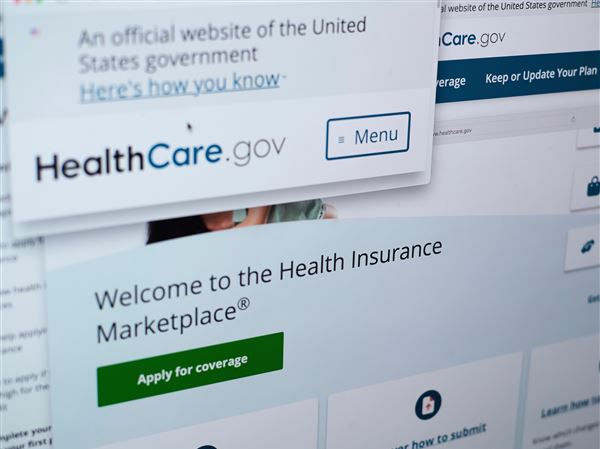
The healthcare system in the United States has come under fire for its inequitable and inefficient practices. Critics highlight that while many western democracies have implemented comprehensive healthcare systems, the U.S. continues to struggle with providing fair access to medical services for its citizens. This ongoing disparity has prompted discussions about the need for substantial reform.
Efforts to reform the health system have faced significant opposition, particularly from members of the Republican Party. According to political analysts, these factions have historically been resistant to changes that could lead to a more equitable system. Many argue that a prevailing reluctance to adapt has allowed the existing structure—often deemed archaic—to persist. This situation has resulted in a system where health insurance companies and pharmaceutical firms generate substantial profits, while a significant portion of the population remains uninsured or underinsured.
The consequences of this model are stark. A report from the Kaiser Family Foundation noted that as of 2021, approximately 31 million Americans were without health insurance, a statistic that underscores the ongoing challenges faced by those in need of care. The lack of coverage often leads to delayed treatment, which can exacerbate health issues and increase long-term healthcare costs.
Political Resistance to Change
The political landscape surrounding healthcare reform in the United States has been contentious. Proposals aimed at expanding access to care often encounter fierce pushback from Republican lawmakers who argue against a government-led overhaul. This resistance raises questions about the viability of achieving a comprehensive healthcare system that could serve all citizens effectively.
In recent discussions, prominent figures such as Hussain have voiced concerns over the impact of profit-driven motives within the healthcare sector. They contend that the prioritization of profits for health insurance and pharmaceutical companies fundamentally undermines the goal of providing equitable access to healthcare. The emphasis on profit over patient care has been a critical point of contention, with many advocating for a system that prioritizes public health over corporate interests.
International Comparisons and Future Prospects
When compared to other nations, the U.S. healthcare system appears increasingly out of step. Countries such as Canada and those in Europe have established models that prioritize universal coverage and equitable access. In these regions, healthcare is often seen as a fundamental right, leading to better overall health outcomes and lower costs per capita.
As discussions continue, the question remains: how can the U.S. healthcare system be reformed to ensure that all citizens receive the care they need without facing financial ruin? The answer may lie in re-evaluating the role of private interests in healthcare and seeking a model that balances profitability with public health needs.
In conclusion, the criticism of the American healthcare system sheds light on the urgent need for reform that addresses inequities and emphasizes the importance of patient care. As the debate unfolds, it will be crucial to monitor the responses from both political leaders and the public to shape a more equitable healthcare future.