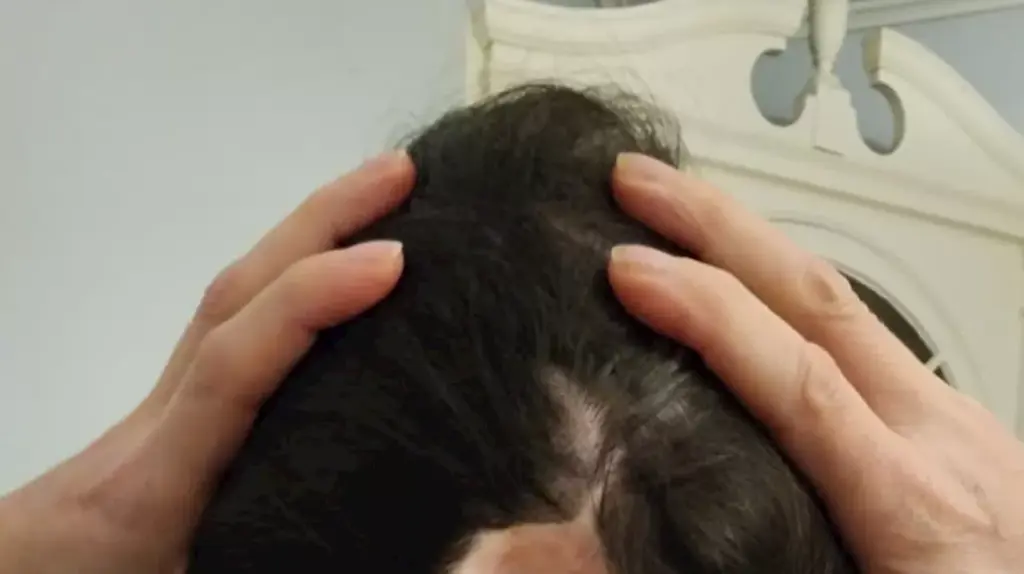
The effects of childhood trauma can extend far into adulthood, as illustrated by the experience of Jennifer Young, a long-term melanoma survivor. Young’s journey through chronic neck pain has prompted her to explore the potential connections between her current health issues and a childhood surgery that removed a malignant tumor from the base of her skull. Her story highlights the complexities of physical ailments and the enduring impact of past medical procedures.
Linking Past Trauma to Present Pain
At 38, Young faced a diagnosis of degenerative disc disease in her cervical spine, a condition so severe that a neurologist remarked it resembled the wear and tear of someone who had operated heavy machinery for years. This shocking revelation led her to question how such significant damage could have occurred. As a suburban mother and college professor, she found it hard to attribute her condition to everyday activities like carrying her children or hauling her work materials across campus.
During a session with her acupuncturist, Jade, Young recalled her past: “When I was in college, I had a malignant tumor removed from the base of my skull.” This surgery, conducted when she was just a teenager, involved the removal of a portion of her scalp and, unbeknownst to her at the time, part of her occipital bone. This history raised questions about whether her chronic neck pain could be linked to the trauma of that surgery.
“Is it possible that I have simultaneous issues causing my pain and discomfort?” she asked Jade. The acupuncturist examined Young’s neck, tracing the muscles and exploring the effects of the surgery that had left a lasting mark on her body. Young reflected on the emotional scars that accompanied her physical pain, recognizing a deeper connection between her past and present.
Understanding Trauma’s Physical Manifestations
Statistics indicate that approximately 70% of adults in the U.S. have experienced some form of traumatic event, affecting over 235 million people. While many individuals may not remember these traumatic experiences, others grapple with understanding their long-term effects. The challenge lies in recognizing that unresolved emotions can manifest physically, resulting in symptoms such as tension, fatigue, and chronic pain.
“Your body expresses what your mind suppresses,”
states a renowned wellness educator known as The Body Whisperer. This insight resonates with Young, who realized that her unprocessed emotions from surviving cancer as a young adult continued to influence her life decades later. As she underwent acupuncture, she began to confront the part of herself that had been buried for too long, seeking to reconnect with her past.
Young’s journey of self-discovery has taken on new significance as she navigates motherhood with four children. Each of her children faces their own challenges, mirroring the struggles she encountered at their age. This reflection prompted her to consider how she managed her cancer diagnosis alongside the typical pressures of adolescence.
With every needle inserted during her acupuncture sessions, memories flooded back, illuminating the connections between her physical pain and emotional history. Young began to understand that her scars, both visible and hidden, tell a story of resilience and survival. Embracing these stories became a crucial step in her healing process.
“It isn’t until we uncover old trauma like this and begin to treat it that we can truly heal,” Jade noted, emphasizing the importance of addressing both physical and emotional wounds.
Embracing Healing and Connection
Young’s journey has inspired her to engage more intentionally with her past. She has started writing about her experiences, sharing her story with others affected by cancer and trauma. In a moment of courage, she submitted a survivor profile to a melanoma community on social media, including a photo that revealed the scar on the back of her head. Although she hesitated multiple times before posting, the response she received was overwhelming, connecting her with others who share similar experiences.
True healing, Young reflects, is not about erasing painful chapters from her life but rather about acknowledging and integrating every part of herself. Recognizing that her emotional trauma is as significant as her physical scars has transformed her perspective. She is learning to accept and express these parts of her story, which fosters a deeper connection to both herself and those around her.
As Young continues her journey toward healing, she aims to reclaim her identity, crafting a coming-of-age memoir that explores love, illness, and resilience. Her experiences resonate with many who have faced similar challenges, serving as a reminder that understanding and addressing trauma is essential for achieving a sense of balance and well-being.
In a world where many individuals struggle with the aftermath of trauma, Young’s story is a testament to the power of reflection, acceptance, and community in the healing process. As she moves forward, she embraces the scars of her past, recognizing them as integral to her ongoing journey of self-discovery and recovery.