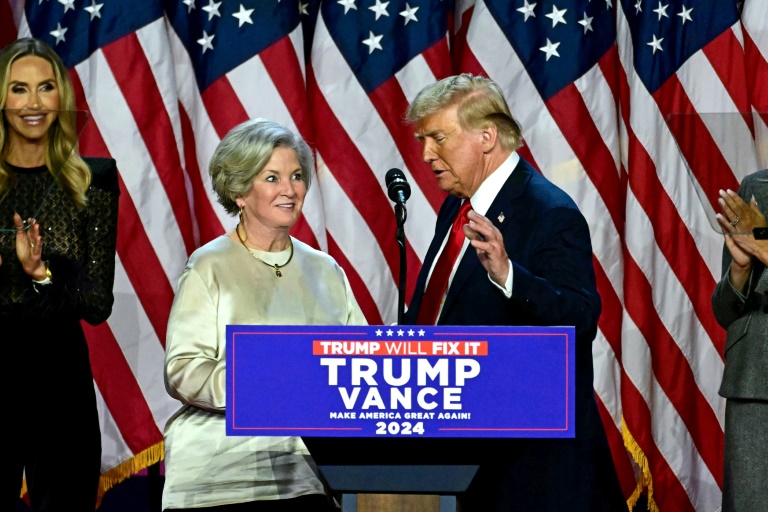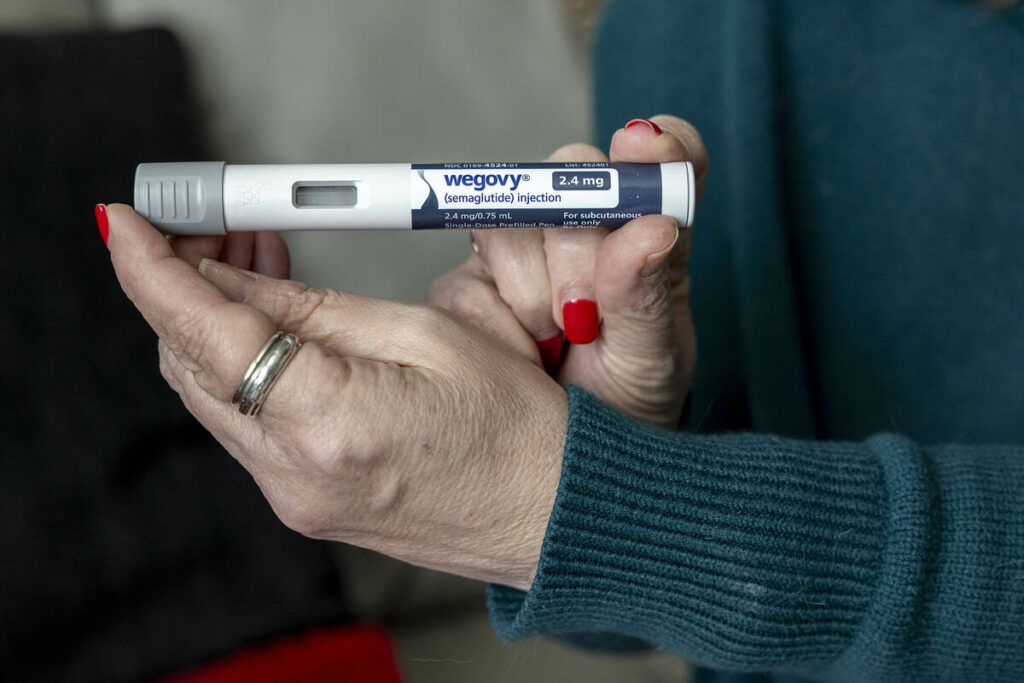
President Donald Trump has brokered agreements with drug manufacturers Eli Lilly and Novo Nordisk to significantly reduce prices for GLP-1 weight-loss medications available through Medicare and Medicaid. These deals also include provisions for lower prices on Trump’s proposed online marketplace for prescription drugs, known as TrumpRx. This initiative follows similar agreements with Pfizer and AstraZeneca aimed at making medications more affordable for Americans.
The president has positioned these agreements as a validation of his “Most Favored Nation” executive order. This order aims to ensure that U.S. consumers pay no more for drugs than residents of other developed countries. However, it is crucial to recognize that the arrangements made with Eli Lilly and Novo Nordisk were voluntary, as opposed to mandatory price controls. Implementing such controls could have serious implications for medical innovation and access to new treatments.
Details of the Drug Price Agreements
The agreements with Eli Lilly and Novo Nordisk primarily reflect the companies’ interest in gaining access to a previously restricted market. Historically, Medicare has not covered weight-loss medications, but this deal alters that dynamic. By lowering their prices, these pharmaceutical companies will now be able to cater to the substantial market of beneficiaries classified as obese.
In contrast, the agreements with Pfizer and AstraZeneca present most-favored-nation pricing only for Medicaid, leaving Medicare and commercial plans unaffected. Currently, drug manufacturers are required to offer their products to Medicaid at approximately 23 cents on the dollar, making the impact of these new deals relatively minimal compared to existing regulations.
While the Trump administration’s efforts to align U.S. drug prices with those of other countries may seem appealing, it is essential to consider the potential drawbacks. Foreign pricing strategies often come with stringent controls that can limit access to innovative medicines. For instance, in the United Kingdom, the public healthcare system reimburses only 43 percent of innovative drugs, while in Australia, this figure drops to 25 percent.
Impact on Pharmaceutical Innovation
The concept of most-favored-nation pricing raises substantial concerns regarding the availability of new treatments. More than half of all new drugs are launched first in the United States, providing American patients with access to innovations well ahead of their counterparts in Europe, Japan, or Australia. The risk of adopting foreign pricing models is that it could lead to fewer drugs being launched in the U.S., ultimately delaying access for American patients.
Research conducted by four economists from the University of Chicago highlights the severe consequences of applying most-favored-nation pricing to Medicare and Medicaid. They estimate that such measures could reduce research and development spending by 48 percent, potentially leading to the loss of 500 new treatments over a decade. This decline in innovation could result in approximately 6.6 million lives lost, underscoring the critical relationship between pharmaceutical revenues and the development of life-saving medicines.
Price controls can divert resources and stifle creativity within the pharmaceutical sector, which has traditionally positioned the United States as a leader in medical innovation. Maintaining this status is vital not only for economic reasons but also for the health and well-being of American patients.
In conclusion, while the recent agreements between the Trump administration and drug manufacturers aim to lower prices for certain medications, the broader implications of such policies warrant careful scrutiny. The balance between affordability and access to innovative treatments is delicate, and any shifts in pricing strategies could have profound effects on the future of healthcare in America.