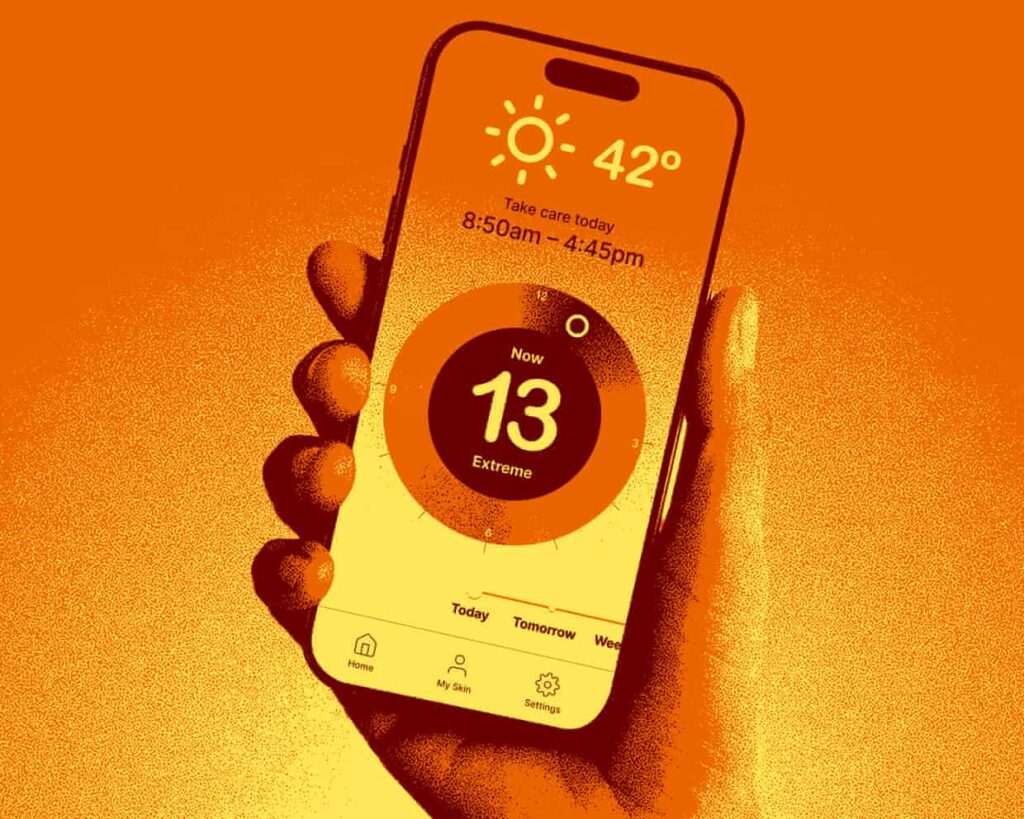
Smartphone applications promoting “safe” tanning routines for users, including children as young as four, are contributing to a troubling resurgence of tanning culture, particularly among Australian teens. These apps, heavily marketed by influencers, claim to offer ways to achieve a “healthy glow” while exposing users to harmful ultraviolet (UV) radiation.
One such app, categorized as suitable for ages 4 and above, ranks among the most downloaded free apps in the “weather” section of the Apple App Store. Users are prompted to select their ideal skin tone—options include “espresso glow” or “golden bronze”—and can choose tanning intensity levels ranging from “mild” to “intense.” Some applications further encourage users to incorporate body oils and tanning accelerants into their routines, suggesting specific post-sun activities like swimming or showering.
The apps then create customized routines, guiding users on the duration and timing of sun exposure to achieve their desired skin tone. A promotional post for one app featured a young woman with a tan, captioned: “Didn’t check UV. Didn’t reapply. Didn’t even think about it.” This messaging raises significant health concerns, particularly among medical professionals.
Dr. Deshan Sebaratnam, a dermatologist and conjoint associate professor at the University of New South Wales, criticized these apps, stating that the notion of a “safe tan” from UV exposure is misleading. “A tan is actually a distress signal from your skin,” he explained. “It means your skin cells have been damaged by ultraviolet radiation and are responding by producing melanin. There is no such thing as a safe tan. The only safe tan is a fake tan.”
Dr. Sebaratnam emphasized that any change in skin color signals damage, regardless of how gradual the process may be. He particularly expressed concern over the targeting of young individuals, noting that UV damage sustained early in life significantly increases the risk of skin cancer later on. “When you acquire enough mutations, that’s what causes cancer,” he added.
While melanoma cases in children are rare, Dr. Sebaratnam has treated young patients who required surgery and lymph node removal due to skin cancer. He cautioned against the use of tanning oils or accelerants recommended by some apps, which may contain ingredients that heighten photosensitivity and lead to severe burns.
Emma Glassenbury, head of the Cancer Council Victoria’s SunSmart program, reported an alarming trend among parents. “We’re hearing from parents who are worried their kids are chasing tan lines again,” she stated. “That’s deeply concerning.”
A survey conducted by the Royal Children’s Hospital in Melbourne in December 2023 revealed that **23%** of teens aged 12 to 17 mistakenly believed that a tan protects against skin cancer. Furthermore, **50%** of respondents indicated a preference for a tanned appearance. In Australia, approximately **2,000** individuals die from skin cancer each year, underscoring the public health implications of these tanning apps.
Glassenbury highlighted the urgent need for awareness regarding the dangers associated with these applications. “We’re urging all Australians not to buy into these dangerous tanning apps because they’re just simply too risky, targeting particularly our young people,” she said. “By promoting tanning trends, they are undermining our public health efforts in tackling skin cancer.”
As Australia continues its long-standing battle against skin cancer, experts are advocating for a shift in attitudes away from tanning culture, emphasizing that vigilance and education are critical in combating this public health issue.