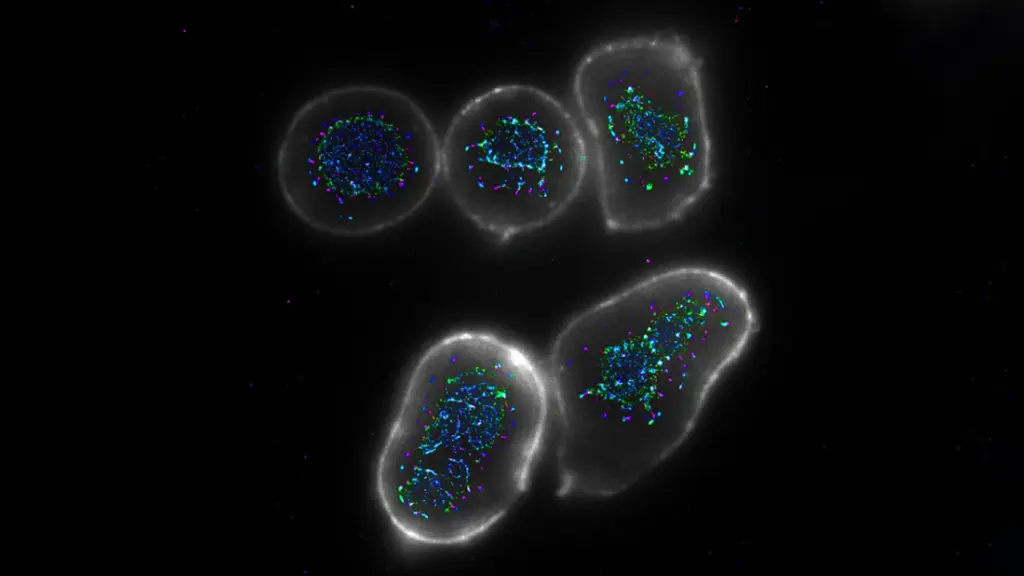
Scientists at the University of Southampton have developed a groundbreaking class of antibodies that significantly enhance the immune system’s ability to combat cancer. This innovative approach, reported on January 9, 2026, focuses on amplifying the immune response, particularly by improving the activation of T cells, which play a critical role in targeting and destroying cancer cells.
The findings, published in the journal Nature Communications, detail how these specially engineered antibodies can cluster immune receptors that typically receive weak signals from tumors. This clustering effect propels T cells into a heightened state of attack, outperforming traditional antibodies in laboratory tests.
Mechanism Behind Enhanced Immune Activation
The newly designed antibodies function by simultaneously binding to multiple immune cell receptors, thereby intensifying the signals that instruct T cells to engage with cancer. Specifically, researchers concentrated on a receptor known as CD27. This receptor requires a matching ligand to activate T cells, a process that naturally occurs during infections but is often absent in cancer cells. Consequently, T cells can receive inadequate activation signals, hindering their effectiveness against tumors.
Traditional antibodies, which have a Y-shaped structure with two binding arms, are limited in their ability to connect with multiple receptors. Although these antibodies have revolutionized cancer treatment, they do not deliver optimal responses in every patient. In some cases, T cells remain inactive due to the lack of a necessary combination of signals for a robust immune response.
Innovative Four-Pronged Antibody Design
The engineered antibodies from this research feature a four-pronged design, allowing them to attach to more receptors simultaneously. This design not only enhances signal strength but also recruits additional immune cells, facilitating the clustering of CD27 receptors. By mimicking the natural activation process of CD27, these antibodies substantially amplify the immune response.
Professor Aymen Al Shamkhani, who led the study, commented on the challenges faced in translating the natural CD27 signaling mechanism into a therapeutic tool. He noted, “Turning that knowledge into a medicine was the real challenge. Antibodies are reliable molecules that make excellent drugs. However, the natural antibody format was not powerful enough, so we had to create a more effective version.”
Laboratory tests involving both mice and human immune cells demonstrated that these new antibodies significantly improved the activation of CD8+ T cells, often referred to as the elite forces of the immune system due to their capacity to directly eliminate cancer cells. This enhanced activation led to a more pronounced anti-tumor response.
The study’s implications are profound, as it outlines a pathway for developing future immunotherapy treatments that leverage the immune system’s inherent capabilities. Professor Al Shamkhani expressed optimism about the potential impact of this research: “This approach could help improve future cancer treatments by allowing the immune system to work closer to its full potential.”
The work was funded by Cancer Research UK, underscoring the Centre for Cancer Immunology’s commitment to pioneering advancements in cancer care and treatment strategies. As researchers continue to explore the full potential of these innovative antibodies, the future landscape of cancer immunotherapy may shift dramatically, offering new hope for patients worldwide.