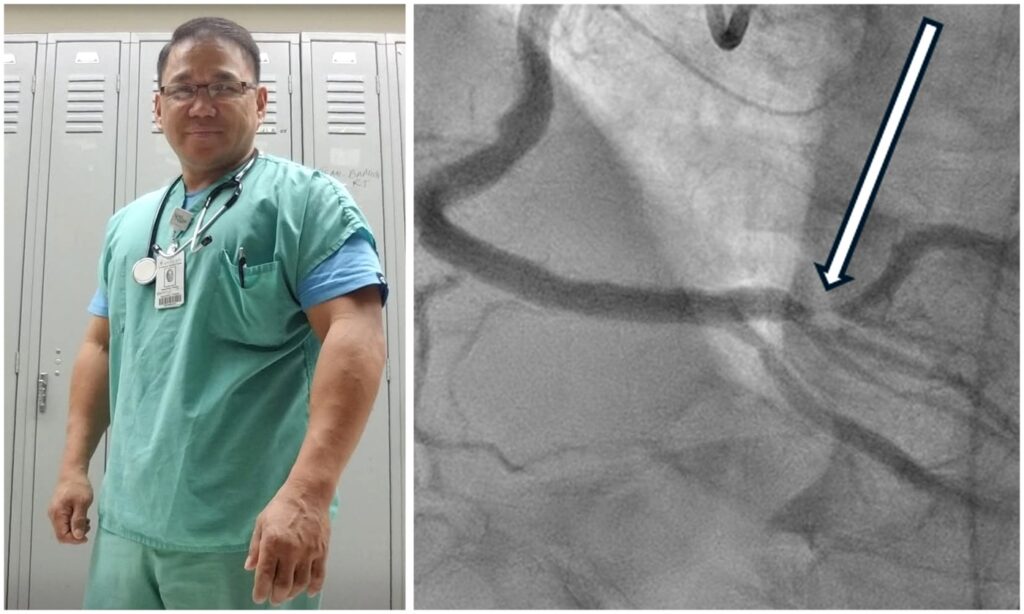
In a life-threatening incident last summer, Chris Ortiz, a long-time resident of Queens, experienced a heart attack while at the gym. This unexpected medical emergency transformed an ordinary Sunday into a dramatic life-saving event, highlighting the critical importance of immediate medical response.
Quick Action Saves a Life
On the morning of July 10, 2022, just four days shy of his 60th birthday, Ortiz and his wife decided to visit their local gym after celebrating their granddaughter’s 16th birthday the night before. While they initially split up—his wife heading for a treadmill and Ortiz opting for weight training—everything changed in a matter of minutes.
Shortly after beginning his workout, Ortiz collapsed without warning. He has no recollection of the moment he fell or the subsequent transport to the hospital. His wife received a shocking call informing her that Ortiz had suffered a heart attack, leaving her stunned. “She thought it was somebody kidding with her,” Ortiz recounted.
Fortunately, a nurse from Mount Sinai Queens was present at the gym. She quickly assessed the situation, initiated CPR, and alerted the hospital to prepare for Ortiz’s arrival. An ambulance arrived promptly, and Ortiz was transported to the facility where life-saving measures were already in motion.
The Importance of Timely Medical Response
Heart disease remains the leading cause of death in the United States, with the Centers for Disease Control and Prevention (CDC) reporting that someone dies from cardiovascular disease approximately every 34 seconds. Dr. David Power, an interventional cardiologist at Mount Sinai Queens, emphasized the critical nature of the minutes following a cardiac event. “We were able to open up the artery in less than 90 minutes, which is the kind of goal we aim for,” Power explained.
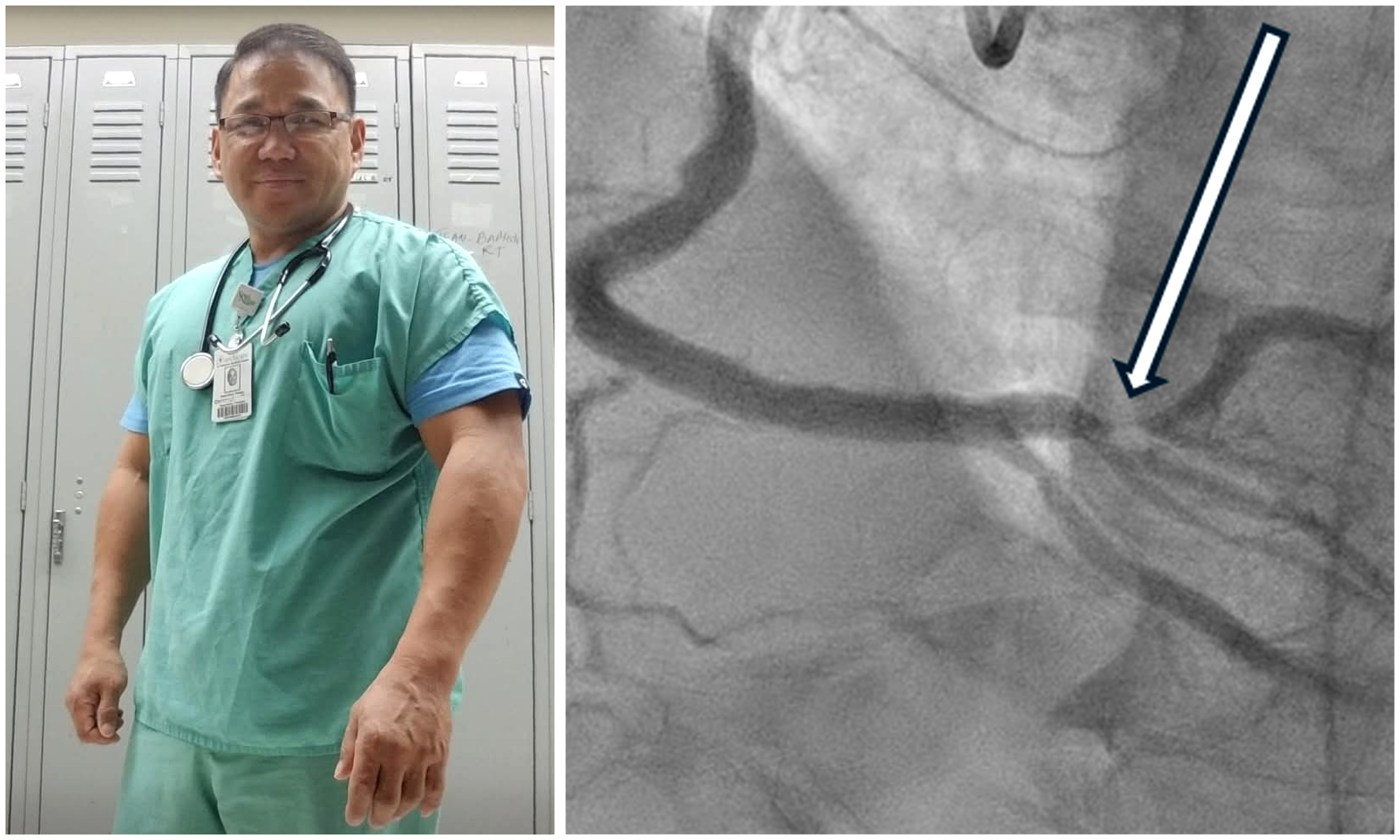
Upon arrival at the hospital, Ortiz was found to have a 100% blocked artery, which the medical team opened using a balloon and subsequently placed a stent to restore blood flow to his heart. According to the American Heart Association, about 350,000 people in the United States experience out-of-hospital cardiac arrest each year, with around 90% resulting in death. The likelihood of survival often hinges on prompt CPR and the use of an Automated External Defibrillator (AED).
“In cardiac arrest, every minute counts,” Dr. Power noted, highlighting the importance of immediate intervention. Ortiz’s experience underscores how a busy gym, with its immediate access to help, played a crucial role in his survival. “It could have happened when I was home by myself… I could have passed out. Then, it would have been a whole different story,” he reflected.
Despite maintaining an active lifestyle, Ortiz acknowledged that he had overlooked certain risk factors, including high cholesterol and poor dietary habits. He had previously declined medication, adopting an “I’m fine” mindset. The American Heart Association warns that such attitudes can lead to dire consequences, transforming manageable health issues into emergencies.
“Don’t wait until you start having the symptoms and have the cardiac arrest like I did,” Ortiz cautions others. He urges people to understand that neglecting one’s health affects not just the individual but also their loved ones. “If you decide not to take care of yourself, the ones who suffer are your immediate family,” he stated.
Family has been a significant motivator for Ortiz. He reflects on the potential consequences of his heart attack, considering how his children and grandchildren would have coped had he survived with severe health complications. “I could have ended up basically a vegetable in a nursing home right now,” he said. He also expressed a sense of irony, noting that two of his daughters have been involved in saving lives during emergencies, which makes his own rescue feel like a strange echo of their experiences.
Since the incident, Ortiz has made it a priority to change his eating habits and lifestyle. He emphasizes the importance of prevention and recognizes that time has now taken on a new meaning for him. “I’m trying to not work as much and spend more time with my family and not take things so seriously all the time,” he said. “Time is not given. It could all go away from me at any moment… this is all extra for me.”
Ortiz’s experience serves as a powerful reminder of the critical nature of heart health awareness and the importance of immediate medical intervention in life-threatening situations. His call to action urges others to prioritize their health and not ignore potential warning signs.