Federal funding cuts proposed by the Trump administration could severely undermine efforts to combat overdose deaths in Alaska. According to a recent analysis by The Guardian, Alaska has struggled to reduce overdose fatalities even as national figures show a decline. Law enforcement and public health officials are expressing urgent concerns regarding the potential impact of these proposed cuts, particularly on resources critical to saving lives.
Anchorage Police Chief Sean Case emphasizes the local stakes in this fight. Alaska has not seen a consistent decrease in overdose fatalities, and he fears that the anticipated 35% cut—amounting to over $100 million—to the state’s High Intensity Drug Trafficking Area (HIDTA) funding will exacerbate the crisis. Established in 1988, this federal program supports local and tribal law enforcement in areas significantly affected by drug trafficking.
Chief Case warns that reduced funding could lead to an increase in fentanyl trafficking, heightening the risk of overdose deaths among Alaskans. He states, “I think the stakes are a lot higher right now just because of the high number of overdoses that we’re having. I would advocate that we actually increase the funding.”
The proposed budget for the 2026 fiscal year also threatens vital agencies that track and prevent addiction and overdose incidents. Richard Frank, a senior fellow at the Brookings Institution and former opioid policy advisor during the Obama administration, notes that changes to Medicaid could further jeopardize access to treatment for individuals with substance use disorders. “The work requirements seem likely to knock off a lot of people with substance use problems off the rolls,” he explains, indicating that many may lose crucial federally subsidized addiction treatment.
Alaska’s unique geographical challenges complicate the battle against drug trafficking. Commander Cornelius Sims from the Alaska state troopers cites limited resources, with only 27 officers dedicated to drug interdiction across an area more than twice the size of Texas. Significant portions of Alaska lack police coverage, as noted by Ed Mercer, director of the state’s HIDTA initiative. The vast distances and lack of a central highway system make drug interdiction particularly difficult.
Most illicit drugs enter Alaska via the mail, with Anchorage serving as the primary entry point. This method is especially prevalent for fentanyl and other potent synthetic drugs, which are easy to transport due to their minimal volume. Since Alaska was designated as a HIDTA region in 2018, the resources and coordination provided have made a notable difference. Chief Case reports, “Over the last two years, we’ve had the highest success rate of drug interdiction than we’ve ever had before. And that’s all our HIDTA teams.”
HIDTA funding allows various agencies in Alaska to collaborate effectively, investigating drug cartels rather than focusing solely on low-level offenders. “Using an old school vice team, you’re not going to have the federal connection to track these cases outside of the country,” Case adds. The annual summer operations among HIDTA agencies have proven effective; this year’s efforts resulted in 27 arrests, with Case noting that such initiatives foster relationships and enhance communication throughout the year.
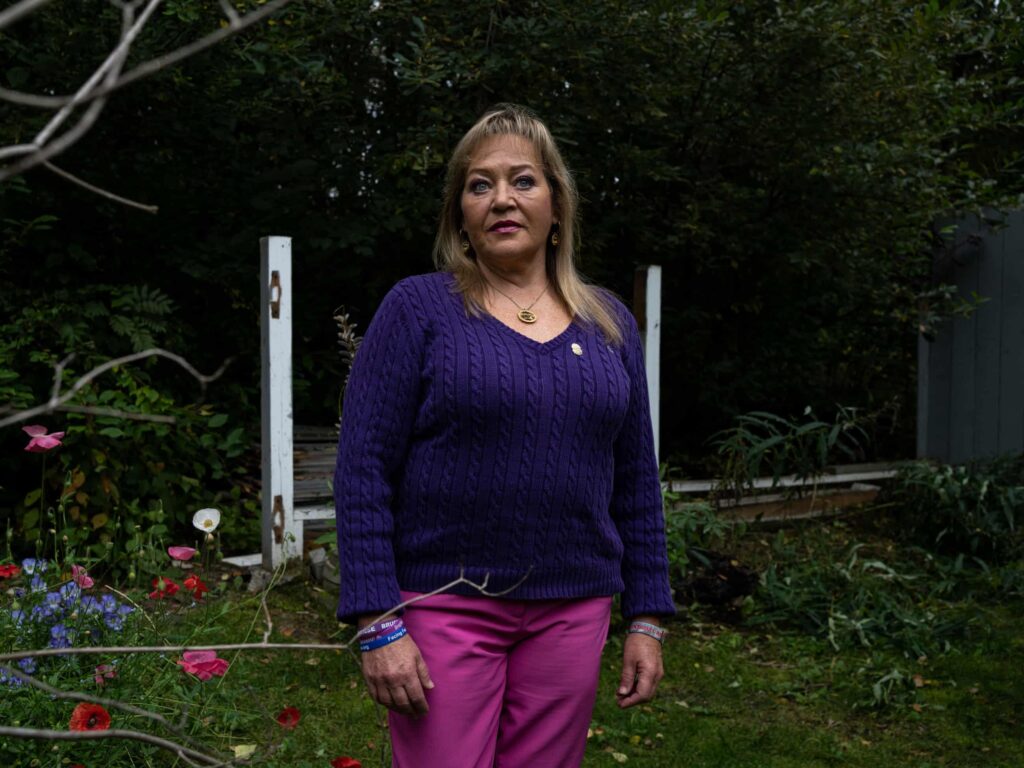
If the proposed cuts are enacted, Chief Case warns that many rural areas could face devastating consequences. “It doesn’t take a lot of drugs to enter villages to have a devastating impact. The ruralness of Alaska budget cuts are more significant to those areas,” he states. Individuals impacted by the overdose crisis, such as Sandy Snodgrass, whose son Bruce died from a fentanyl overdose in 2021, also express alarm. Snodgrass has utilized HIDTA funding for fentanyl awareness initiatives and believes that Alaska needs increased coverage, not less.
In response to concerns from Alaska police chiefs, Senators Lisa Murkowski and Dan Sullivan have been urged to advocate against these cuts. Senator Sullivan’s office stated that he is committed to maintaining HIDTA’s operational structure and budget increases, though the future of this funding remains uncertain.
The proposed changes to Medicaid could further complicate Alaska’s efforts to combat overdose deaths. Medicaid currently serves over 211,000 Alaskans, providing essential healthcare services that include substance use treatment. Frank highlights the importance of Medicaid expansion, which previously allowed more low-income individuals to access necessary treatment.
The recent “big, beautiful bill” passed in part due to Senator Murkowski’s tie-breaking vote, proposes to cut Medicaid by an estimated $911 billion over the next decade. While efforts were made to secure benefits for Alaska, these may not significantly aid those in need of substance use treatment. The Rural Health Transformation Fund, which allocates $50 billion to rural health programs, is expected to primarily support failing rural hospitals rather than directly addressing addiction treatment needs.
While the bill includes work requirements for Medicaid recipients, Frank warns that many people with substance use disorders might struggle to navigate the new bureaucratic landscape. “There’s no clear definition of who would qualify and who wouldn’t,” he explains, adding that the paperwork could deter many from seeking necessary treatment.
The potential cuts to Medicaid could also jeopardize Alaska’s expanding inpatient treatment facilities. Sam Garcia, senior clinical outreach coordinator with the Anchorage Recovery Center, is spearheading the development of a comprehensive recovery campus with nearly 200 recovery beds. This initiative relies partly on Medicaid reimbursement, which Frank indicates may shrink due to funding cuts.
Karl Soderstrom, founder and CEO of True North Recovery, echoes these concerns, noting that 90% of their revenue comes from Medicaid. He is preparing to assist clients with the new requirements, emphasizing the need for adaptable workforce development programs to accommodate those in recovery.
For parents like Snodgrass, the road ahead remains fraught with challenges. While she expresses mixed feelings about some of the Trump administration’s policies, she also acknowledges his commitment to addressing the fentanyl crisis. This month, Trump signed Bruce’s Law, named after her son, which aims to increase awareness of fentanyl dangers and establish a federal working group on fentanyl contamination.
“We’ve got a long road to go, so I’ll keep going,” Snodgrass affirms, reflecting the resilience of those affected by the ongoing battle against overdose deaths in Alaska. As federal funding cuts loom, the stakes have never been higher for the state’s efforts to combat this escalating crisis.