A recent decision by a federal vaccine committee has sparked controversy regarding the administration of the hepatitis B vaccine to newborns. On March 15, 2024, the Advisory Committee on Immunization Practices (ACIP) voted **8 to 3** to recommend that the long-standing guidance of immunizing all newborns at birth against hepatitis B be reconsidered. This change has drawn criticism, particularly from health officials in New York City.
The committee’s recommendation, influenced by vaccine skeptic **Robert F. Kennedy Jr.**, who heads the **Department of Health and Human Services**, suggests that the vaccine may not be necessary for all infants, as hepatitis B is primarily transmitted through sexual contact. Instead, parents are advised to consult their healthcare providers regarding vaccination.
Local Health Officials Respond
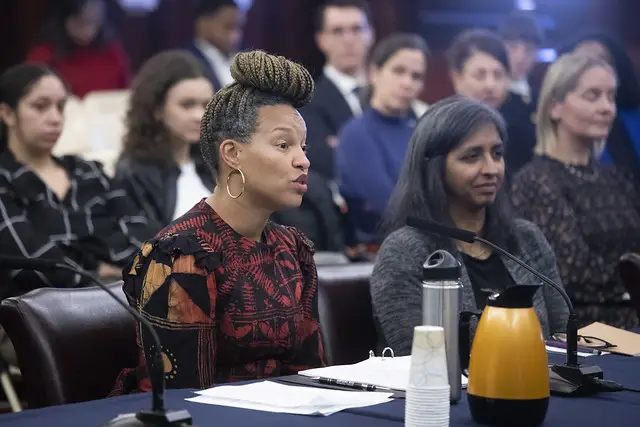
**Dr. Michelle Morse**, New York City’s Acting Health Commissioner, has openly opposed this shift in federal guidance. In a recent discussion with **Sean Carlson** on NPR’s “All Things Considered,” Dr. Morse emphasized the importance of the hepatitis B vaccine, noting its effectiveness in preventing chronic liver disease in children. “Hepatitis B is incredibly infectious and common,” she stated, highlighting that transmission can occur through contact with contaminated surfaces or fluids.
Dr. Morse expressed concern that the new guidance could lead to confusion among parents about the necessity of vaccinating their newborns. She reassured New Yorkers that the city’s health recommendations remain unchanged: all infants should receive the hepatitis B vaccine within **12 to 24 hours** of birth. “We do not plan to change it,” she affirmed.
The effectiveness of this vaccination strategy is evident; rates of hepatitis B infection among children have decreased by **99%** over the past three decades. “The data on the safety of this vaccine is very clear: it is safe,” Dr. Morse added, emphasizing that no new evidence has emerged to justify changing vaccination practices.
Impact of Confusion on Public Health
The Acting Commissioner warned that the confusion stemming from the federal recommendation could have significant repercussions. She indicated that many individuals infected with hepatitis B are unaware of their status, underscoring the importance of widespread vaccination to prevent further transmission.
Dr. Morse also pointed out that healthcare providers are already facing challenges, and the additional confusion from the federal vote detracts from their ability to deliver care. “This kind of announcement creates a distraction and an opportunity cost,” she said, highlighting the strain on healthcare professionals.
Despite the pushback against vaccination requirements during the COVID-19 pandemic, Dr. Morse noted that New York City maintains high vaccination rates. “Over **98%** of children entering kindergarten are fully vaccinated,” she stated. However, she acknowledged the influence of misinformation circulating on social media platforms, which can lead some parents to question the safety and necessity of vaccines.
In light of the concerns surrounding the CDC’s guidance, Dr. Morse questioned the organization’s reliability, stating that the leadership under Secretary Kennedy is “extremely concerning.” She expressed a lack of confidence in directing New Yorkers to CDC resources, instead recommending local health department channels as trustworthy sources of information.
Dr. Morse concluded with a call for open dialogue about vaccination. “Parents should feel empowered to ask questions about vaccines,” she said, encouraging them to engage with their healthcare providers for accurate information.
As the debate continues, New York City’s public health officials remain committed to protecting the health of its residents, ensuring that the message about hepatitis B vaccination remains clear and consistent amidst changing federal recommendations.