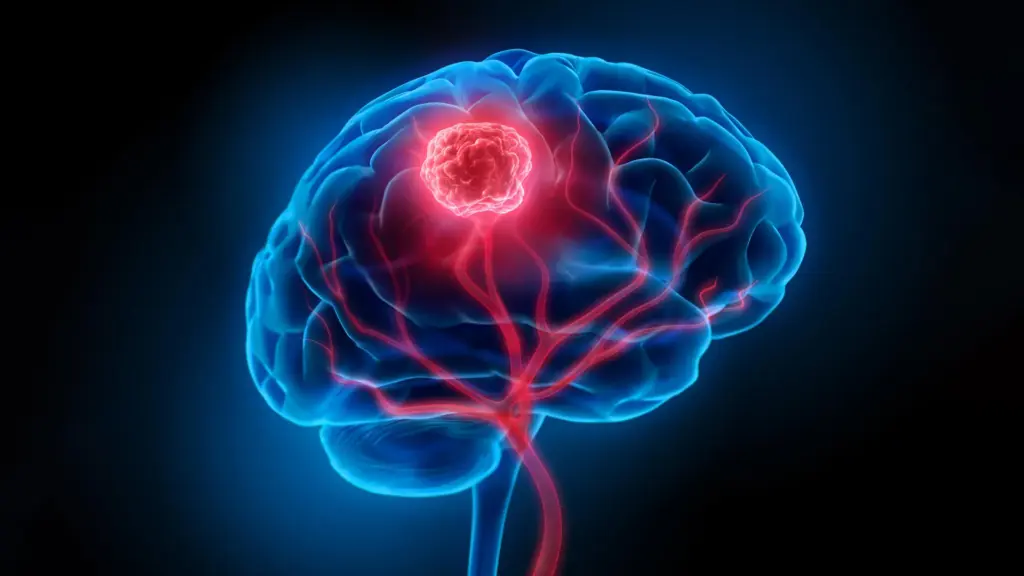
Research led by Professor Indraneel Mittra at the Advanced Centre for Treatment, Research and Education in Cancer (ACTREC) in Mumbai, India, suggests that a simple combination of two nutraceuticals, resveratrol and copper, may significantly improve outcomes for patients with glioblastoma, a highly aggressive form of brain cancer. Published on December 10, 2025, the study indicates that this approach could reduce tumor aggressiveness and alter cancer biomarkers without causing harmful side effects.
Traditionally, cancer therapies like chemotherapy and radiotherapy focus on attacking and destroying cancer cells. However, this new line of research challenges that notion. Instead of attempting to eradicate tumors, the study suggests a gentler approach: facilitating the healing of tumors. This philosophy is rooted in the idea that cancer behaves similarly to a wound that does not heal, as proposed by Dr. Harold Dvorak in a 1986 article in the New Journal of Medicine.
Testing a New Strategy in Glioblastoma
In their recent study published in BJC Reports, Professor Mittra and his team enrolled ten patients diagnosed with glioblastoma. Each participant took a tablet containing small doses of resveratrol and copper four times daily for an average of 11.6 days before undergoing brain surgery. A control group of ten patients, who also had aggressive tumors but did not receive the nutraceuticals, provided a basis for comparison.
During surgery, the researchers collected tumor samples from both groups. Detailed analyses using microscopy, immune-staining, and transcriptome analysis revealed striking differences in tumor biology. Notably, patients who received the nutraceutical tablets displayed significant positive changes in key cancer markers.
Cell-Free Chromatin Particles: A Key Focus
A critical aspect of the study lies in the role of cell-free chromatin particles (cfChPs), which are fragments of DNA released from dying cancer cells. These particles can exacerbate the behavior of surviving cancer cells. Professor Mittra’s earlier research showed that the combination of resveratrol and copper generates oxygen radicals that deactivate or eliminate these harmful cfChPs.
The findings indicated that cfChPs were prevalent in untreated tumors, while they were nearly absent in the tumors from patients who had consumed the nutraceutical tablets. This suggests that the treated group experienced a controlled cell death process, known as apoptosis, that prevented the release of cfChPs into the surrounding tissue.
“If you eliminate the cell-free chromatin, which is what the resveratrol-copper tablets do, the cancer is subdued,” said Professor Mittra.
He further elaborated on the potential long-term effects of this approach, positing that extended use of these nutraceuticals might lead to the complete healing of a malignant tumor, effectively transforming it into a benign condition.
Additionally, the study revealed a reduction in the activity of several immune checkpoints in patients who received the nutraceuticals. Immune checkpoint inhibitors have emerged as a significant advancement in cancer therapy by enhancing the immune response against tumors. However, these drugs are often expensive and can lead to adverse effects. The resveratrol-copper combination offers a low-cost, non-toxic alternative that may influence similar pathways targeted by pricier cancer treatments.
Professor Mittra emphasized the need for a paradigm shift in cancer treatment strategies. “We have been trying to kill cancer cells for 2,500 years, since the time of the ancient Greeks, without success. Maybe it is time to look at cancer treatment differently and work towards healing tumors, rather than annihilating them,” he stated.
While the sample size in this study was limited, the results are compelling enough to suggest that further research with a larger patient population could yield transformative insights into cancer therapy.
This study was supported by the Department of Atomic Energy, Government of India, through a grant awarded to Indraneel Mittra at the Tata Memorial Centre.