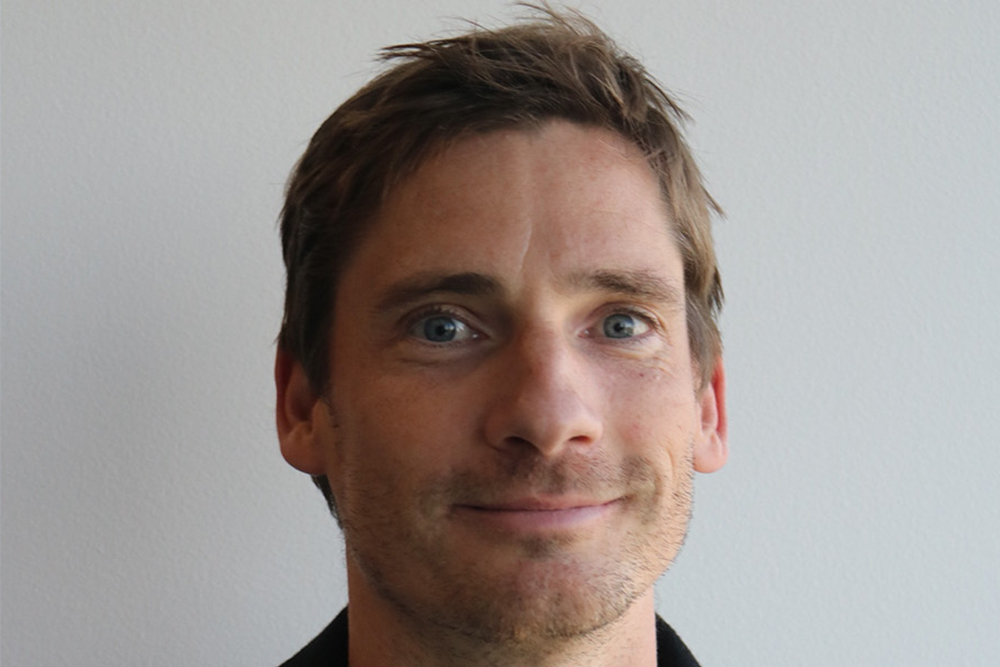
Recent findings from neurologist Dr. Baibing Chen have shed light on a crucial habit shared by “super agers”—individuals who maintain exceptional cognitive abilities well into their later years. This insight emphasizes the importance of specific lifestyle choices in preserving brain health as people age.
During a recent discussion, Dr. Chen highlighted that one vital factor contributing to the cognitive resilience of super agers is their commitment to lifelong learning and mental engagement. Those who continuously challenge their minds through various activities tend to experience slower cognitive decline compared to their peers.
Engagement and Lifelong Learning
Super agers often engage in activities that stimulate their brains, such as puzzles, reading, or learning new skills. This ongoing mental stimulation appears to foster a more robust cognitive reserve, allowing them to better withstand age-related changes. Dr. Chen noted that such habits not only enhance day-to-day functioning but also significantly lower the risk of developing conditions like Alzheimer’s disease.
Research indicates that these cognitive activities encourage the brain to create new neural pathways, effectively countering the natural aging process. Dr. Chen emphasizes that the earlier individuals begin to adopt these habits, the better their chances of maintaining cognitive health as they grow older.
Additionally, social engagement plays a critical role in this equation. People who maintain strong social connections often exhibit better cognitive performance. Dr. Chen pointed out that social interactions stimulate brain functions, making them an essential aspect of healthy aging.
The Science Behind Cognitive Resilience
The concept of cognitive reserve has gained attention in recent years, with studies showing a direct correlation between mental engagement and the preservation of cognitive function. A report from the American Psychological Association states that mental activities can delay the onset of dementia and other cognitive impairments by several years.
Dr. Chen’s findings resonate with these studies, suggesting that individuals who proactively engage their minds create a buffer against cognitive decline. This could have profound implications for public health, particularly as the global population ages.
The practical applications of Dr. Chen’s research extend beyond individual choices. Policymakers and healthcare providers may consider promoting lifelong learning and social engagement as vital components of public health strategies aimed at enhancing the quality of life for older adults.
The call to action is clear: prioritizing mental engagement and social interaction can lead to healthier, more fulfilling lives in one’s later years. With the aging population on the rise, understanding and implementing strategies to maintain cognitive health is more critical than ever.
In conclusion, Dr. Baibing Chen’s research provides valuable insights into the habits that define super agers. By fostering an environment that encourages mental stimulation and social connectivity, individuals can take proactive steps towards a healthier brain and a more vibrant life in later years.