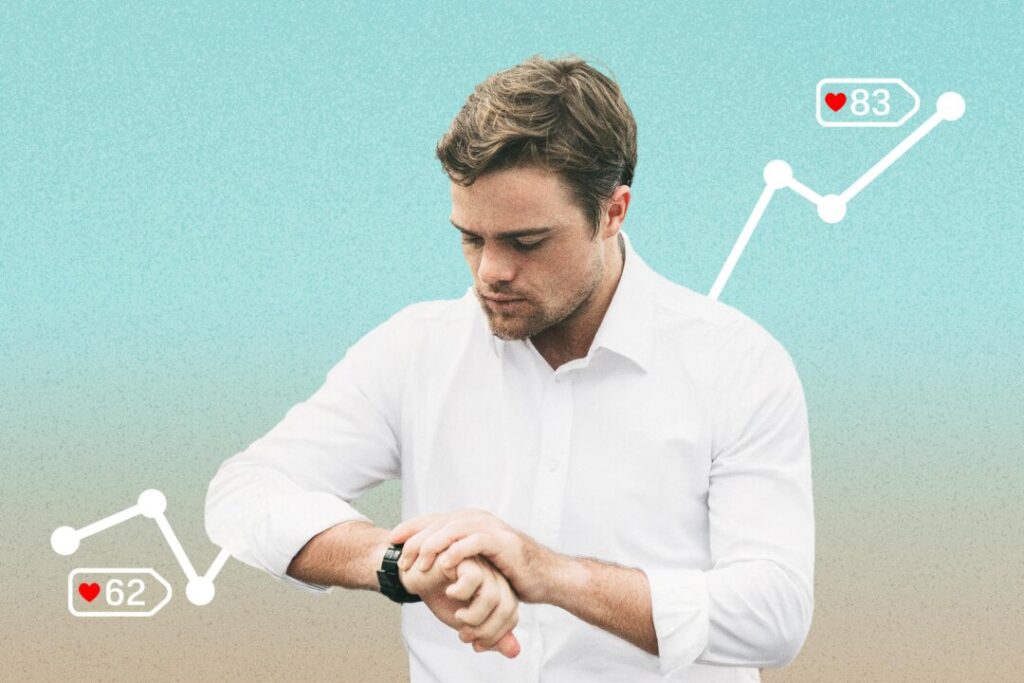
Michael Snyder, a geneticist at Stanford University, experienced an unexpected health alert during a flight to Norway. While onboard, he noticed that his resting heart rate and oxygen levels remained elevated long after takeoff, deviating from his usual patterns during travel. Although he felt fine, this unusual data from his smartwatch prompted him to seek medical attention. Days later, he received a diagnosis of Lyme disease, illustrating the potential of wearable technology to provide critical health insights.
Snyder’s experience underscores the importance of monitoring heart rate as a vital health metric. “Resting heart rate is definitely an indicator of all kinds of stress—physical and mental,” he explained in an interview with The Epoch Times. This case highlights that technology can play a significant role in early detection of health issues, often before individuals even recognize symptoms themselves.
Elevated heart rates are commonly linked to various conditions, including stress, illness, and overexertion. In Snyder’s case, the smartwatch acted as an early warning system, alerting him to an underlying health issue that could have gone unnoticed. As wearable health devices become increasingly popular, their potential to detect conditions like Lyme disease, which is transmitted through tick bites, may prove invaluable.
Lyme disease is a bacterial infection that can cause a range of symptoms, including fatigue, fever, and joint pain. If left untreated, it can lead to more severe health complications. Snyder’s quick response to the signals from his smartwatch likely contributed to his prompt treatment and recovery.
The case serves as a reminder for individuals to pay attention not only to how they feel but also to the metrics provided by health-tracking devices. As technology evolves, the integration of health monitoring into everyday devices may become a standard practice, empowering individuals to take charge of their health proactively.
Wearable devices are designed to track various health indicators, but resting heart rate is particularly telling. It can reflect stress levels, overall fitness, and potential health risks. As more people adopt these technologies, their ability to provide real-time data could redefine how we approach personal health management.
In conclusion, Michael Snyder’s experience on a flight to Norway exemplifies the growing relevance of health technology in everyday life. As individuals increasingly rely on wearables for health monitoring, awareness of how these devices can signal potential health issues will be crucial. The case advocates for a proactive approach to health, encouraging individuals to listen to their bodies—and the data they generate.