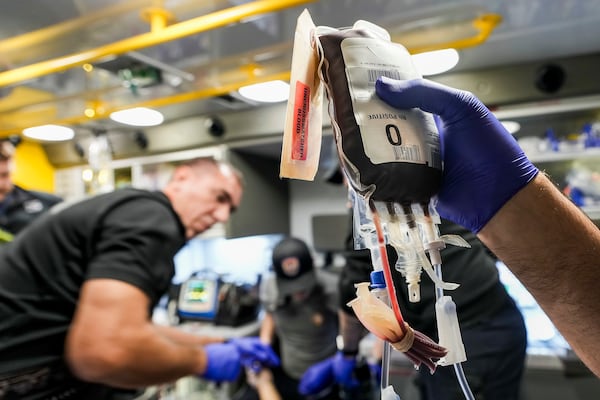
In Fort Worth, Texas, a mobile blood transfusion program has made a significant impact on emergency medical care by saving lives. In the first eight months since its launch, paramedics have administered over 150 units of blood to 140 patients in urgent need of transfusions. This innovative approach aims to provide critical care to individuals experiencing severe bleeding before they can reach a hospital.
The program, which started in early 2023, addresses a crucial gap in emergency response. Traditional methods often delay life-saving treatments until patients arrive at medical facilities. By enabling paramedics to perform transfusions on-site, this initiative enhances patient outcomes and reduces mortality rates associated with traumatic injuries.
Data from the Fort Worth Fire Department highlights the effectiveness of the mobile transfusion program. Paramedics have reported that administering blood in the field has led to quicker stabilization of patients suffering from conditions such as gunshot wounds, car accidents, and other traumatic events. The ability to deliver blood products directly at the scene is particularly vital in a city like Fort Worth, where time can be a decisive factor in critical situations.
Funding for the program has come from a combination of local government resources and community donations. The initiative is part of a broader effort to improve healthcare delivery and emergency services across the region. According to Chief of Emergency Medical Services, David S. Sweeney, “This program not only equips our paramedics with the necessary tools but also empowers them to make life-saving decisions in the field.”
The success of this program has garnered attention from neighboring regions, with several cities expressing interest in establishing similar initiatives. As Fort Worth continues to lead in innovative emergency response strategies, the mobile blood transfusion program sets a benchmark for enhancing medical care in urgent situations.
Moreover, the local community has shown overwhelming support for the program. Blood donations from residents have increased, as many individuals recognize the importance of contributing to such a life-saving cause. Local blood banks have reported a surge in donations since the program’s inception, highlighting a community commitment to saving lives.
As the program moves forward, Fort Worth officials plan to assess its long-term impact on patient outcomes and consider expanding the initiative to include other critical medical interventions. The mobile blood transfusion program exemplifies how proactive healthcare measures can significantly alter the landscape of emergency medical services.
Through continued collaboration and support, Fort Worth aims to ensure that this program not only remains sustainable but also evolves to meet the needs of its residents. The success witnessed in the first eight months serves as a powerful reminder of the difference that timely medical intervention can make in saving lives.