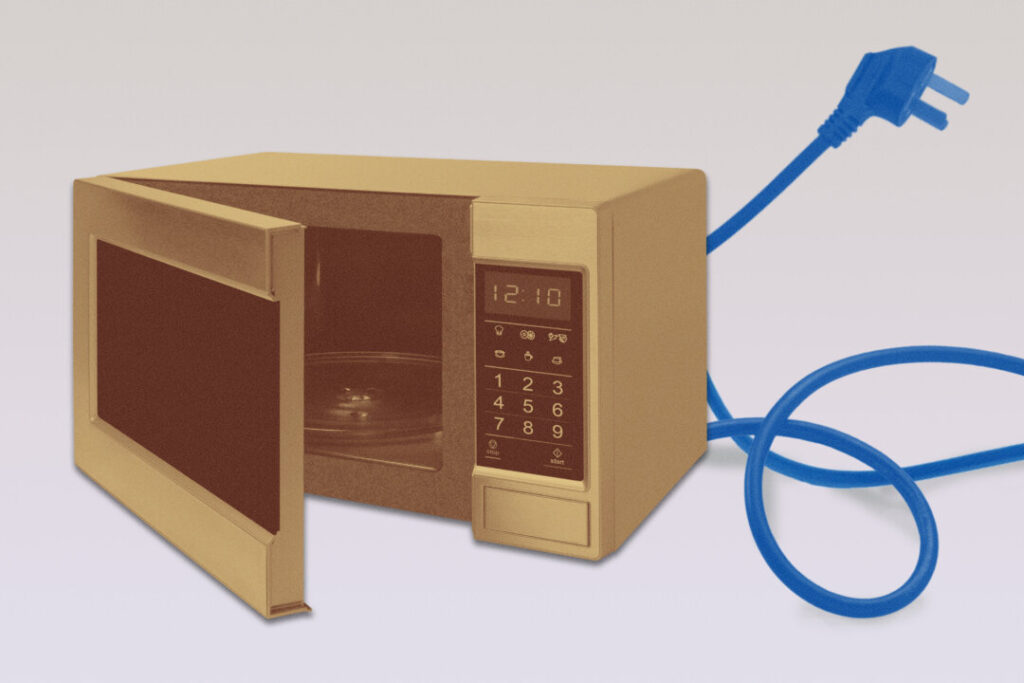
The Cross family’s recent kitchen remodel has resulted in a surprising change: they have moved their microwave into the pantry and found their leftovers taste better without it. This shift aligns with growing concerns about the potential health risks associated with microwaves, particularly the release of microplastic particles from food packaging during reheating.
Amy Cross, who operates the online business Cross Legacy, emphasizes the importance of reducing food waste and helping families save money on groceries. In an interview with The Epoch Times, she shared her perspective on the decision to forgo the microwave. “We loved the idea of not bringing a microwave back in. I don’t like clutter on my countertops and definitely don’t want one with harmful chemicals being released,” she stated.
The Cross family’s experience reflects a broader trend among families seeking healthier alternatives for reheating food. Research indicates that microwaving food in plastic containers can potentially release millions of microplastic particles into the food, raising concerns about long-term health implications. Considering these findings, many families are exploring alternative methods to reheat their meals.
Alternative Methods for Reheating
Several effective techniques can replace the use of microwaves while maintaining or enhancing the flavor and nutritional value of leftovers.
Firstly, the oven is a reliable option for reheating many types of food. Preheating the oven to around 180 degrees Celsius (350 degrees Fahrenheit) can help restore texture and flavor. Placing food in an oven-safe dish and covering it with aluminum foil can prevent it from drying out. This method is particularly effective for casseroles, pizzas, and baked goods, ensuring that they are heated evenly.
Secondly, the stovetop is an excellent choice for reheating soups, stews, and sauces. Using a saucepan over medium heat allows for careful monitoring and stirring, which can enhance flavor and consistency. Adding a splash of water or broth can help retain moisture and prevent burning. The stovetop method not only warms food effectively but also allows cooks to adjust seasonings as needed.
Finally, the air fryer has gained popularity for reheating leftovers. This appliance circulates hot air, producing crispy results without the need for added oils. It is especially useful for items like fried foods, French fries, and even certain vegetables. The air fryer’s efficiency means that food can be reheated quickly while maintaining a desirable texture.
Healthier Eating Habits
The shift away from microwaves may also promote healthier eating habits. With increased awareness of potential health risks linked to plastic containers, families may be encouraged to use glass or ceramic dishes for reheating. These materials not only avoid the risks associated with plastic but also retain heat more effectively, enhancing the overall quality of the reheated meal.
As families like the Crosses adopt these alternative methods, they contribute to a growing movement prioritizing health and sustainability in the kitchen. By exploring new ways to reheat leftovers, families can enjoy meals that are not only delicious but also align with their health-conscious values.
In conclusion, moving away from traditional microwaving techniques can lead to improved flavor and safety in reheating food. As more families recognize the benefits of these methods, it is likely that the trend will continue to grow, encouraging healthier eating habits and ultimately reducing food waste.