As the new year approaches, individuals seeking to improve their well-being are encountering a fresh wave of wellness trends for 2026. Among them, three notable practices are emerging as beneficial: emotional fitness, electric medicine, and low-friction prevention. Conversely, experts caution against three other trends that lack scientific backing and could lead to confusion.
Emotional Fitness: Recognizing Stress Early
Emotional fitness emphasizes the importance of identifying stressors before they escalate into more serious mental health issues. This approach encourages utilizing tools such as mindfulness, journaling, breathwork, and mood tracking. According to Dr. Hannah Nearney, a clinical psychiatrist and UK Medical Director at Flow Neuroscience, “In high-pressure environments, stress often accumulates until it becomes unmanageable. Emotional fitness helps people identify emotional strain before it escalates, reducing the risk of anxiety and burnout.”
Electric Medicine: A New Frontier in Mental Health
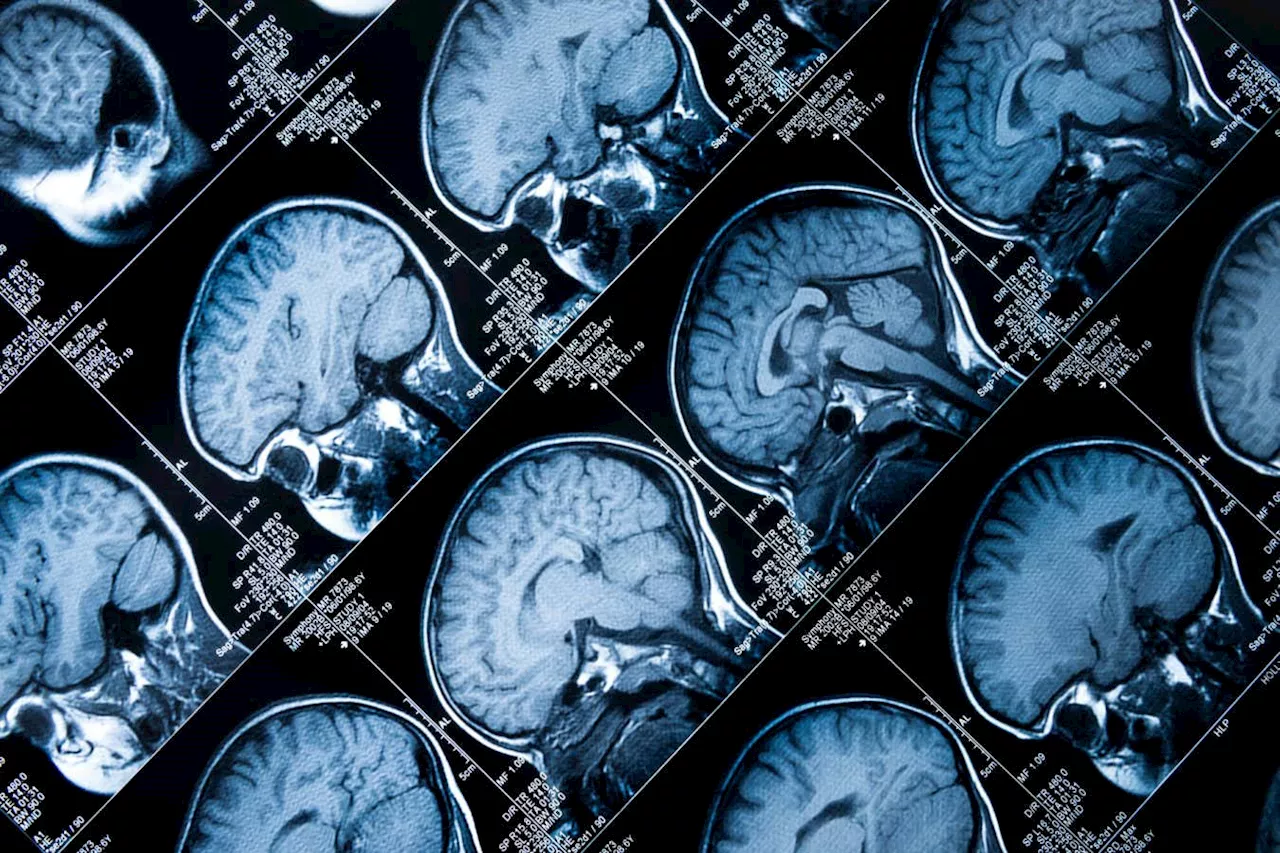
Another promising trend gaining traction is electric medicine, which employs mild electrical currents to target specific brain regions associated with mood regulation. This method aims to communicate with the brain’s natural electrical signals rather than relying on systemic chemical changes. Dr. Kultar Singh Garcha, an NHS GP and Chief Medical Officer at Flow Neuroscience, highlighted a significant development from late 2025 when the USDA approved the first non-invasive, at-home medical device that utilizes transcranial direct-current stimulation for treating depression.
Low-Friction Prevention: Prioritizing Early Intervention
The concept of low-friction prevention focuses on integrating early screening, digital mood tracking, and telehealth into mental health care. Dr. Nearney pointed out, “Unfortunately, prevention in mental health has long been neglected. Next year will be about intervening earlier.” This trend aims to create a supportive framework for individuals seeking to maintain their mental well-being.
While these three trends align with established care practices, experts warn against certain wellness trends that may lead consumers astray.
Avoid These Trends in 2026
First on the list to avoid are unregulated wellness devices and biohacking hype. As electric medicine gains attention, the market is flooded with gadgets that claim to stimulate brain function. Dr. Garcha cautioned, “We must emphasize that not all devices that claim to stimulate the brain are medical treatments.” Consumers should critically evaluate whether a product is a regulated medical device or merely a wellness gimmick with exaggerated claims.
Extreme diets and detox myths also remain prevalent, with single-food diets and juice cleanses frequently promoted for quick results. “The liver and kidneys already detox the body continuously,” Dr. Garcha stated. He warned that extreme dietary restrictions can disrupt nutritional balance, hormones, and gut health.
Lastly, reliance on algorithm-driven wellness trends poses a significant risk. A survey indicated that 87 percent of millennials and Gen Z users of TikTok obtain health tips from social media, yet only about 2 percent of this content aligns with official public health guidance. “Algorithmic popularity is not a proxy for medical accuracy,” Dr. Garcha noted, urging individuals to take control of their health decisions rather than relying on trending online content.
As 2026 approaches, it is crucial for individuals to discern between beneficial wellness practices and misleading trends. By focusing on scientifically supported methods and avoiding fads, individuals can take proactive steps toward improving their overall well-being. Remember, if something sounds too good to be true, it likely is.