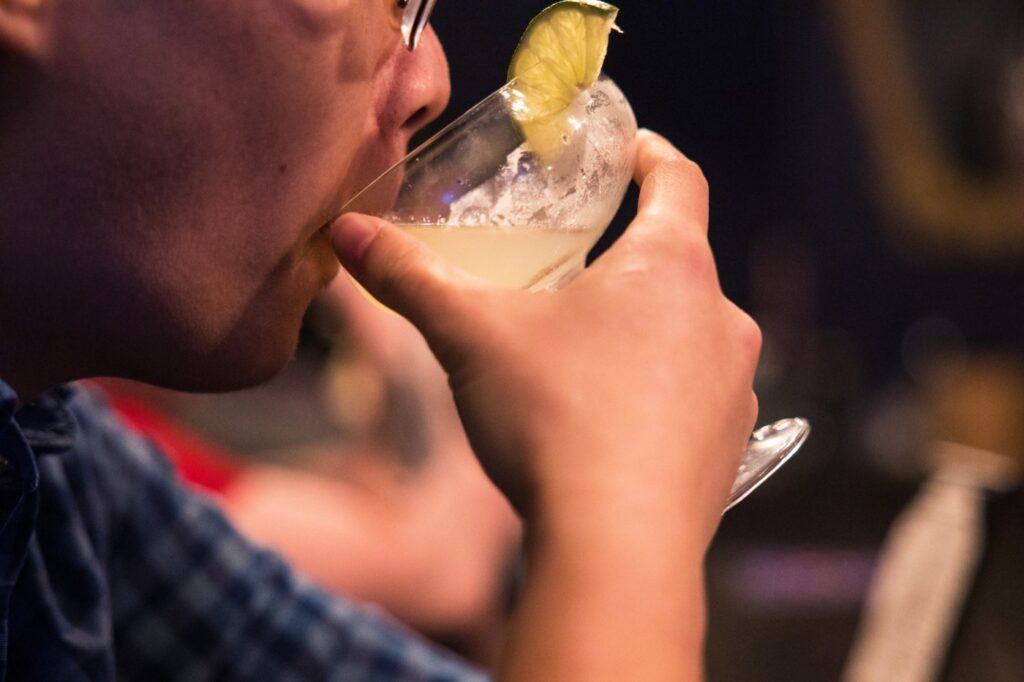
As the New Year approached, many individuals in the United States began contemplating their drinking habits, with an increasing number considering a break from alcohol. Following a period of excess during the pandemic, a notable shift has emerged. Many Americans are now embracing moderation, as evidenced by a recent Gallup poll revealing that only 54% of adults reported consuming alcohol, the lowest figure in nearly 90 years. This trend is particularly pronounced among younger generations, who are increasingly opting to abstain from drinking altogether.
The concept of Dry January, which originated in the UK in 2013, has gained traction in the U.S. and is credited with contributing to this cultural shift. It encourages individuals to take a month-long break from drinking, giving them “cultural permission to pause,” according to Marisa M. Silveri, director of the Neurodevelopmental Laboratory on Addictions and Mental Health at McLean Hospital. Silveri suggests that events like Dry January and Sober October facilitate a reevaluation of personal drinking habits without the stigma often associated with abstaining from alcohol.
These annual initiatives have fostered a broader dialogue about the impact of alcohol on health. For many, taking a break from drinking provides an opportunity to assess how alcohol affects sleep, mood, weight, and stress management. After participating in a “damp” January for three years, this writer has observed a gradual reduction in alcohol consumption, drinking less frequently and with greater mindfulness.
A growing body of evidence highlights the potential health risks associated with alcohol consumption. Last year, former Surgeon General Vivek Murthy issued a health advisory linking moderate drinking to an increased risk of cancer, a revelation that resonated with many individuals. Following the report, numerous friends reached out to discuss the newfound awareness regarding the correlation between alcohol and breast cancer. This shift in public health messaging is significant, as it moves towards the understanding that no level of drinking can be deemed entirely safe.
Among young adults, the message regarding alcohol consumption is particularly impactful. The Gallup poll indicates that 66% of young adults now view moderate drinking as detrimental to their health, more than double the percentage from a decade ago. The decline in alcohol consumption among this demographic is notable, with only 50% of adults under 35 reporting that they drink, down from 59% in 2023.
Several factors may be contributing to this trend of reduced alcohol consumption. The rise of wearable technology allows individuals to monitor how their drinking habits affect sleep and overall health. Additionally, the expanding market for alcohol-free beverages makes it easier for young people to enjoy social gatherings without consuming alcohol. The trend of “mindful drinking,” where individuals alternate alcoholic drinks with non-alcoholic options, is also gaining popularity among Millennials.
Looking ahead, experts are considering how this cultural shift may evolve. Henry Kranzler, director of the Center for Studies of Addiction at the University of Pennsylvania, draws parallels between current alcohol consumption patterns and the decades-long decline in cigarette smoking in the U.S. Following a landmark report in 1964 linking smoking to lung cancer, rates of smoking fell significantly. While it is uncertain whether alcohol consumption will follow a similar trajectory, the growing disinterest in drinking among Gen Z offers hope that the downward trend will persist.
Ultimately, while personal choices around alcohol remain varied, the impact of initiatives like Dry January is undeniable. As individuals navigate their relationship with alcohol, many are finding value in moderation. While the celebratory pop of champagne may still be part of special occasions, the growing trend towards mindful consumption reflects a broader cultural shift towards health and well-being.