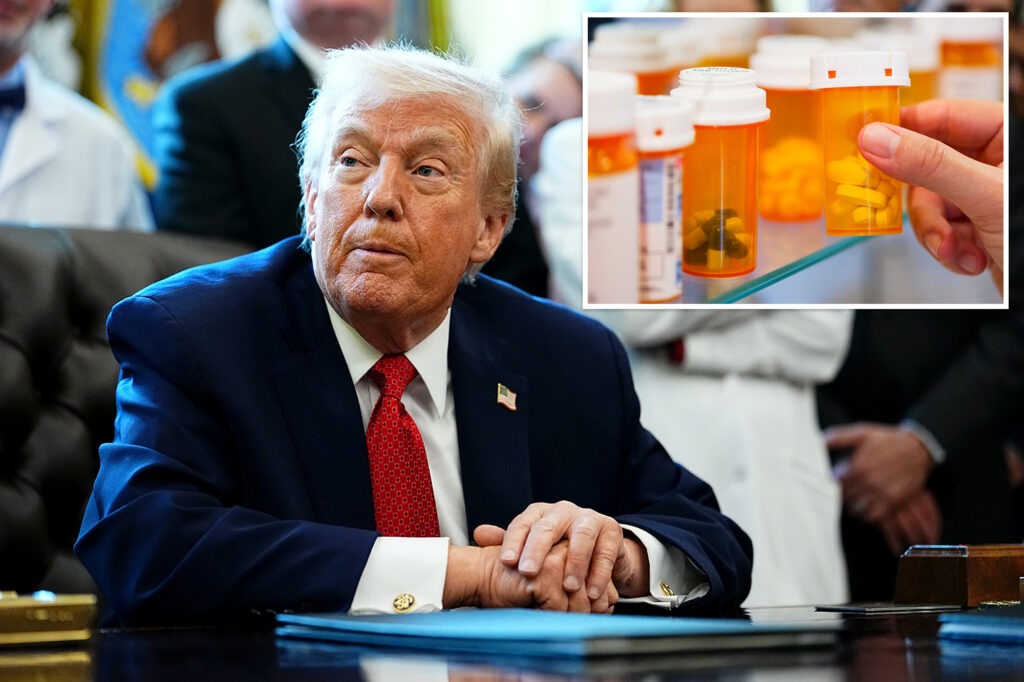
Pharmaceutical companies are preparing to increase prices on at least 350 branded medications, including vaccines for COVID-19, respiratory syncytial virus (RSV), and shingles, as well as the cancer treatment Ibrance. This decision comes despite ongoing pressure from President Donald Trump to reduce drug costs for American consumers. Data from healthcare research firm 3 Axis Advisors indicates that the number of planned price increases for 2026 has risen from over 250 last year.
The median increase across these medications is approximately 4%, consistent with the previous year’s adjustments. Notably, these increases do not account for any rebates to pharmacy benefit managers or other discounts that might be applied. Alongside these hikes, drugmakers plan to reduce the list prices of about nine drugs, including a significant reduction of over 40% for Boehringer Ingelheim’s diabetes medication Jardiance and three related treatments.
Boehringer and Eli Lilly, which co-market Jardiance, did not provide immediate comments regarding the rationale for the price cuts. Jardiance is among the ten drugs for which the U.S. government has negotiated lower prices for the Medicare program, set to take effect in 2026. Under these negotiations, the price of Jardiance has been cut by two-thirds.
American patients currently face some of the highest prescription drug prices globally, often paying nearly three times more than consumers in other developed nations. President Trump has been vocal in his efforts to align U.S. drug prices with those in comparable wealthy countries. Despite this, the planned increases on over 350 medicines come at a time when Trump has successfully negotiated pricing deals with 14 drug manufacturers for certain medications used in the government’s Medicaid program for low-income individuals.
Among the companies planning price increases are Pfizer, Sanofi, Boehringer Ingelheim, Novartis, and GSK. Pfizer, in particular, announced hikes on around 80 different drugs, including the cancer drug Ibrance, the migraine treatment Nurtec, and the COVID-19 medication Paxlovid. While most of Pfizer’s increases are under 10%, the COVID vaccine Comirnaty will see a 15% increase, and some hospital-administered drugs will experience price hikes of over four times.
Pfizer defended its decision, stating that the adjustments reflect an average list price increase that is lower than the overall rate of inflation. The company emphasized that these modest increases are necessary to support ongoing investments in research and development.
Historically, larger price increases were more common among drug manufacturers, but due to heightened scrutiny from lawmakers and new governmental policies penalizing companies for raising Medicare prices faster than inflation, these increases have become less frequent. For instance, European drugmaker GSK plans to increase prices on around 20 drugs and vaccines by between 2% and 8.9%, citing the need to finance scientific innovation.
The responses from Sanofi and Novartis regarding their pricing strategies were not immediately available. It is anticipated that additional price adjustments will occur in early January, which is typically the peak month for such increases among drug manufacturers.
3 Axis Advisors, the firm providing this analysis, specializes in drug pricing and supply chain issues and collaborates with pharmacist groups and health plans. It is associated with the non-profit organization 46brooklyn, which also focuses on drug pricing matters.