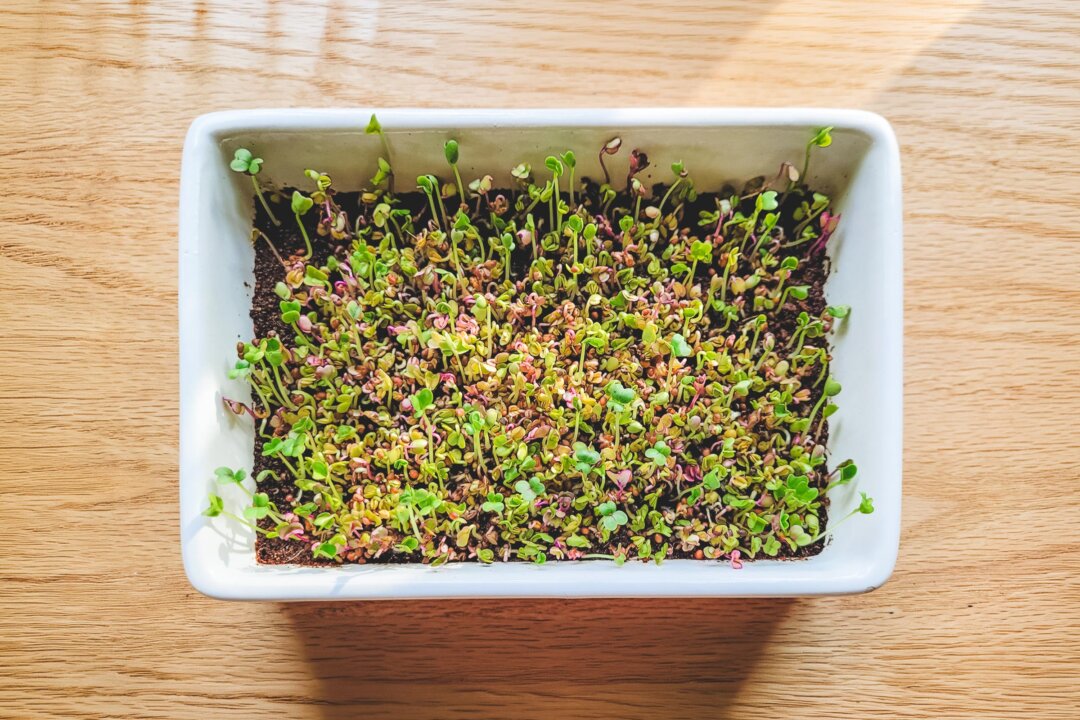
The growing interest in home gardening has led to an increased focus on cultivating microgreens and sprouts. These young plants are not merely decorative; they can contain higher concentrations of essential nutrients compared to their mature counterparts, offering a straightforward way to enhance the nutritional quality of everyday meals.
Microgreens and sprouts add both texture and flavor to dishes, elevating even the simplest salads and sandwiches. A small handful can transform a basic meal into a vibrant culinary experience. Besides their culinary benefits, growing them at home provides individuals with greater control over what they consume, ensuring freshness and quality.
Understanding Microgreens and Sprouts
Microgreens and sprouts differ significantly in their growth processes and harvesting stages. Microgreens are young plants harvested just after the first true leaves have developed, typically ranging from 7 to 21 days after germination, depending on the variety. In contrast, sprouts are germinated seeds that are eaten before they develop any leaves, usually ready for consumption within 5 to 10 days.
The choice between microgreens and sprouts can depend on personal preference and intended use. For example, microgreens such as broccoli, radish, and basil offer a crunchy texture and a burst of flavor, while sprouts like alfalfa and mung bean provide a softer, more delicate crunch.
Health Benefits of Microgreens and Sprouts
Research highlights the numerous health benefits associated with consuming microgreens and sprouts. They are rich in vitamins, antioxidants, and other micronutrients that can support various aspects of health, including digestion and immune function. A study published in the *Journal of Agricultural and Food Chemistry* found that certain microgreens contain up to 40 times more nutrients than mature vegetables.
These young plants are particularly high in vitamins C, E, and K, as well as essential minerals. Incorporating a variety of microgreens and sprouts into daily meals can contribute significantly to meeting daily nutritional requirements.
Growing microgreens and sprouts at home is also an environmentally friendly choice. It requires minimal space and resources, making it an accessible option for urban dwellers with limited outdoor gardening potential. With a few basic supplies, including seeds, soil, and containers, anyone can start cultivating these nutrient-dense plants right in their kitchen.
In summary, the rise in home gardening has brought attention to the many benefits of microgreens and sprouts. By understanding their differences and health implications, individuals can easily integrate these vibrant plants into their diets, enhancing both the nutritional value and enjoyment of their meals.