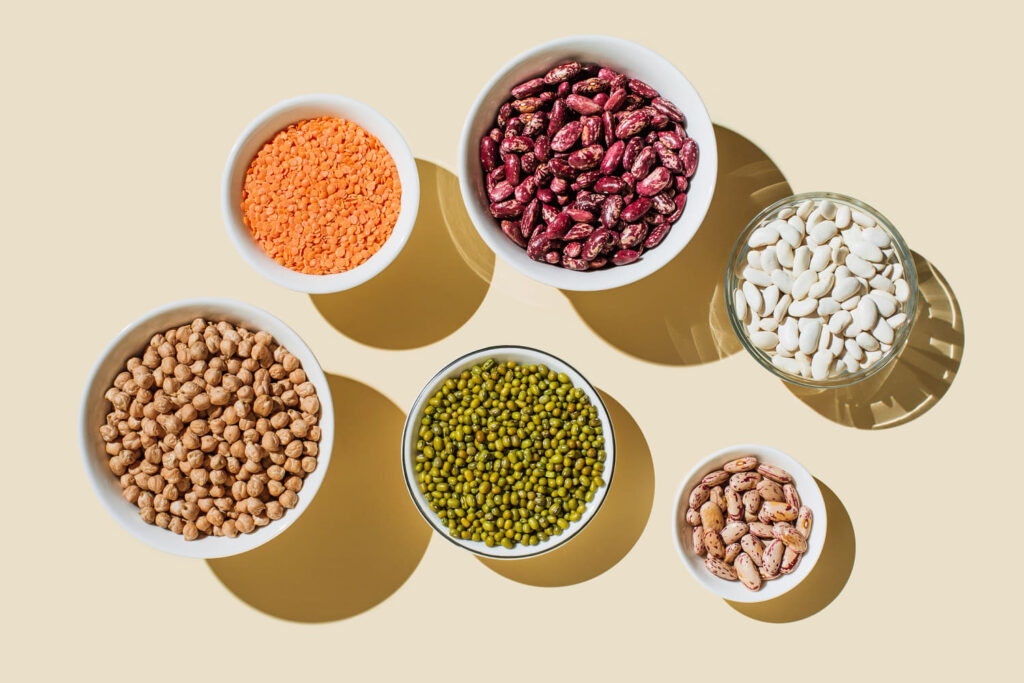
Beans are increasingly recognized as one of the most nutritious and cost-effective food options available. These versatile legumes are integral to numerous global cuisines and are widely endorsed by nutrition experts for their health benefits. According to Angel Planells, a registered dietitian and spokesperson for the Academy of Nutrition and Dietetics, “Beans pack so many nutrients into one food.” They provide plant-based protein, dietary fiber, complex carbohydrates, vitamins, and minerals while being low in fat.
The U.S. Department of Agriculture classifies beans as both vegetables and “protein foods,” highlighting their significance in a balanced diet. Although protein often garners attention, the fiber content in beans stands out as a key nutritional benefit. Natalie Rizzo, a dietitian and nutrition editor, emphasizes that beans are among the best natural sources of dietary fiber.
Understanding Fiber and Its Health Benefits
Fiber is crucial for maintaining overall health, and beans are rich in both soluble and insoluble fiber. Soluble fiber dissolves in water, forming a gel-like substance that slows digestion, while insoluble fiber adds bulk to stool and assists in its movement through the digestive tract. This combination can lead to numerous health benefits, including weight management, improved cholesterol levels, and better blood sugar control.
Planells notes that soluble fiber helps individuals feel fuller for extended periods, directly impacting weight management efforts. Additionally, it binds to cholesterol in the gastrointestinal tract, promoting its elimination from the body. On the other hand, insoluble fiber aids in regular bowel movements, reducing the likelihood of constipation.
Both types of fiber are instrumental in preventing chronic diseases, including diabetes and heart-related issues. Rizzo highlights that fiber is essential for healthy aging, as it supports a well-functioning gut microbiome, which in turn influences the immune and nervous systems.
Recommended Daily Fiber Intake
For adults, the recommended daily intake of dietary fiber is between 25 to 38 grams. Alarmingly, approximately 95% of Americans fail to meet these guidelines. Insufficient fiber intake can lead to symptoms such as constipation, persistent hunger, and elevated cholesterol levels.
To enhance fiber consumption, experts advise a gradual increase. Rizzo suggests incrementally adding five grams of fiber weekly to avoid gastrointestinal discomfort. “Beans are one of the best sources of dietary fiber you can add to your meals,” she states. Dietary guidelines recommend adults consume about three cups of legumes, equivalent to six servings, each week.
Top Fiber-Rich Beans to Consider
While most beans provide at least five grams of fiber per serving, some varieties are particularly noteworthy for their high fiber content:
– **Navy Beans**: A half-cup serving yields approximately 9.5 grams of fiber and 127 calories. Rich in both soluble and insoluble fiber, navy beans support digestion and help regulate blood pressure.
– **Red Kidney Beans**: Offering 8 grams of fiber per serving and 110 calories, these beans are high in insoluble fiber, which promotes regular bowel movements and aids in the prevention of chronic diseases. They are also rich in antioxidants.
– **Black Beans**: With 8 grams of fiber and 114 calories per half-cup, black beans can assist with weight management by promoting satiety. They are a great source of magnesium, which is vital for energy metabolism.
– **Adzuki Beans**: These beans provide 8 grams of fiber for 147 calories and are known for their soluble fiber content, which helps regulate blood sugar levels.
– **Pinto Beans**: Common in Mexican cuisine, a half-cup of boiled pinto beans contains 7 grams of fiber and 122 calories. They are high in B vitamins and antioxidants.
– **Garbanzo Beans**: Also known as chickpeas, they deliver 6 grams of fiber for 135 calories. Chickpeas are versatile and can be used in various dishes, including salads and hummus.
– **Black-Eyed Peas**: Providing 5.5 grams of fiber and 99 calories per serving, these peas are nutrient-dense and support healthy cell growth.
Planells encourages incorporating a variety of beans into the diet to maximize nutrient intake.
Managing Digestive Discomfort
Despite their benefits, beans can sometimes lead to digestive discomfort due to oligosaccharides, a type of carbohydrate that can produce gas during fermentation by gut bacteria. For individuals not accustomed to high-fiber diets, a sudden increase in bean consumption may cause bloating or gas.
Experts recommend a gradual increase in fiber intake and adequate hydration to mitigate these effects. Cooking beans thoroughly and opting for dried beans over canned varieties can also help reduce gas production.
In summary, beans offer a wealth of health benefits, particularly in supporting gut and heart health. With their high fiber content and essential nutrients, they are a valuable addition to any diet.